x




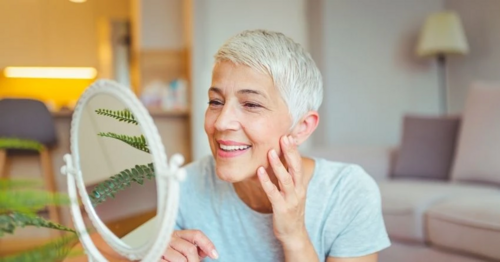
In an attempt to recapture a perceived loss of youth and beauty, Americans spent $16.5 billion on cosmetic surgery in 2018, according to the American Society of Plastic Surgeons (ASPS). It was revealed that baby boomers are especially invested in improving their aesthetic appearance as many re-enter the dating scene, with roughly 50,000 more procedures performed on those aged 55 and older in comparison to the year prior. These surgical and cosmetic procedures largely involve some kind of invasive or non-invasive lifting, tucking, or resurfacing of the skin — indicating depleted moisture and collagen levels is at the root of unwanted signs of aging.
The good news — you can protect your skin and reverse damage at any age by tweaking your daily routine to incorporate new and inexpensive skin care habits. Let’s take a look at the most impactful practices to boost your youthful glow.
The Federal Drug Administration (FDA) defines cosmetics as any article applied to the human body for improving appearance. Products such as face and body wash, toner, serum, lotion, sunblock, make-up, and more, are in use by as much as 96% of Americans, one survey found.
Chemicals in common skin care products go widely unnoticed by the average consumer, even though they have been linked to genetic mutation, carcinogenesis, congenital disabilities, and disruption to reproductive and endocrine health. For safe anti-aging skin care, read labels closely, and opt for products that are free of these potentially dangerous chemicals.
Wrinkles and age-related skin degeneration mostly occur as a result of damage to the skin, causing it to be more fragile. Excessive exposure to nature’s elements, aggressive rubbing motions while washing your face, or even the way you sleep, according to one study, can further impact aging skin by causing trauma to the epidermis — the outermost skin layers.
Dress according to the weather by wearing hats, gloves or a windbreaker as needed for skin protection, especially when extra sunny, cold, dry, or windy. Also, take a gentle approach to skin regimens when washing or applying lotions and oils to reduce the effects of aging.
Hydrated skin is youthful skin. An aging body more easily loses moisture due to the decrease in sebum production — resulting in the increased appearance of fine lines and slowing the body’s ability to eliminate toxins.
Blood, lymph, and every human cell requires adequate hydration in order to support vital organs and body systems to operate optimally. Often, the most simple solution to this problem is drinking more water.
According to the CDC, suggested daily water intake varies by age, sex, and medical conditions. Mindfully sipping plain water throughout the day, even before sensing thirst, can be enough to prevent dehydration. Hydrating your skin with a quality moisturizer can also help “fill in the cracks,” reducing the appearance of wrinkles.
Skin damage from the sun’s rays can lead to wrinkles, dark spots, and other problems such as melanoma — a dangerous type of hereditary skin cancer.
However, the risk of developing other forms of skin cancers from overexposure to the sun or tanning beds exists for anyone. Protecting your skin from harmful UV rays with sunblock is important, not only to avoid skin cancer, but to protect against unwanted skin degradation.
Instead of opting for synthetic ingredients like oxybenzone and octinoxate, mineral sunscreens including non-nano or reef-safe titanium dioxide and zinc oxide are considered safer on the skin, and safer for the ocean. Staying out of the sun at peak hours of 10 AM to 2 PM can help to avoid excess exposure.

While there are no specific studies pointing to bone broth being used as a hydrating, elasticity-boosting liquid, it has certainly swept the natural health community for its collagen content — a popular anti-aging supplement.
Made by slow-cooking the bones from meat like poultry and fish, collagen has been shown to contain amino acids — decreasing signs of skin aging as it breaks down into gelatin. Other controlled studies have shown collagen consumption improves your skin’s elasticity, reduces wrinkles, and boosts moisture content.
While a nutrient-dense diet of whole foods is a staple for healthy skin, supplementing with vitamins such as A, C, and E may provide a bigger boost in free radical-fighting antioxidants. A must have in your anti-aging diet is Vitamin A from retinoids — an essential nutrient needed to prevent skin dryness due to its promotion of collagen.
Because of vitamin A’s availability in whole foods such as fatty fish, eggs, and cheese, supplements of this vitamin may not be necessary. In fact, vitamin A and E supplementation can be harmful if taken in excess because of their fat-soluble nature, meaning the body cannot excrete the surplus. However, those struggling with deficiencies due to maturing age or a pre-existing condition may require supplemental vitamin A or E.
It’s an unpopular phrase, but there are countless reasons we hear it so often. Vegetables have a strong antioxidant effect combined with a nutrient-dense and low-calorie profile. Similar to fruits, many vegetables have high amounts of vitamin C, a collagen-producing compound.
A study published in Skin Pharmacology and Physiology found that people given 180 mg of vitamin C for four weeks boosted antioxidant activity by 37%. Vitamin C-rich vegetables include kale, broccoli, Brussels sprouts, and bell peppers. However, this isn’t the only benefit you’ll receive from veggies — folate, potassium, vitamins A and K, and iron are among the other skin-supporting nutrients you’ll find in vegetables.

Due to its potent anti-inflammatory and antioxidant profile, the holy grail of skin food involves the family of healthy fats called omega-3’s. Consumption of omega-3 rich foods, like oily fish, almonds, walnuts, and olive oil, can replenish lost moisture and repair inflammatory damage.
Salmon, one of the most popular omega-3 rich fish to consume, can paint your skin “pink” again from its high content of an antioxidant called astaxanthin — this carotenoid gives salmon its pink-red color.
A randomized controlled study found that when combined with collagen, astaxanthin significantly boosted skin elasticity and overall hydration after only 12 weeks. Essentially, this family of healthy fats are the grease our body needs to function smoothly, not dissimilar to how a car needs engine oil to run
Smoker’s skin is on the fast track to aging, causing vascular constriction, inhibiting blood flow, and delayed oxygen delivery to the skin cells. Toxins from nicotine also contribute to skin degradation by slowing the ability of wounds to heal.
This leads to rougher scarring and damage to skin tissues because of the loss of collagen. In fact, it’s been well documented that smoking tobacco causes rapid aging to internal tissues and organs, as well as external tissues and organs like the skin — our body’s largest organ.
While intense exercise may be exhausting and can create inflammatory oxidative stress, consistently exercising at a moderate level is often plenty to increase the natural production of antioxidants in the body.
Exercise improves skin health by protecting the cells and stimulating blood flow, one review from 2014 determined. Good exercise hygiene, such as wearing proper clothing and showering after a workout, will support the body’s natural detoxification process as you destress and de-age your skin. If you’re unable to exercise, relaxing in a hot bath or steam room can increase your skin circulation without drying you out.
When you slack on sleep, many negative biological actions occur that drain your energy and mute your glow, especially over time. Ensuring you are sleeping the CDC’s recommended minimum of 7 hours per night is a requirement your body needs to make necessary repairs, accelerate cell renewal, and minimize dark eye circles and puffiness.
Whether you’re in your 20’s or your 70’s — it’s never too late to start healthy habits for yourself to make you look and feel your best. These inexpensive daily skin care habits are not only worthy of committing to at any age, they will lead to healthier skin, as well as an empowered mindset. Start now, you won’t regret it.
.png)