x




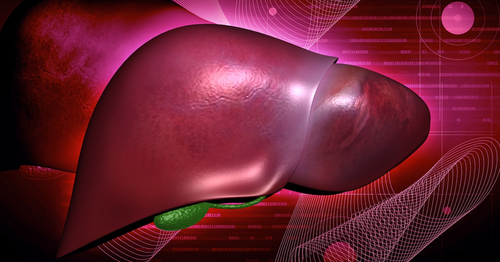
With brain diseases like Alzheimer’s, maybe it’s time to start thinking outside the box.
While the brain is the obvious go-to place to look for the cause, it’s not the only body part to consider. There’s another organ that plays a central role in brain health.
In July, several new studies were presented at the Alzheimer’s Association International Conference held in Chicago. The focus of the scientists? The liver.
The brain is made up mostly of fats (lipids). They smooth communication between neurons, make up a good deal of the insulation that surrounds each nerve cell, store energy, act as structural components in cell membranes, and contribute to many of the brain’s functions.
But to reach the brain, these fats must be synthesized in the liver to create specific components within cell structures called peroxisomes. These in turn create lipoproteins called plasmalogens which transport the fats, including omega 3, omega 6 and cholesterol, from the liver to the brain and central nervous system.
Although fish oil (with omega 3) has a deserved reputation for being good for brain health, it appears that in some people the process of metabolizing these oils simply does not work.
Plasmalogens have unique properties in the brain, including regulation of membrane functions and the working of synapses (the junctions between nerve cells). Synpases influence the release of neurotransmitters and antioxidant functions. One of the hallmarks of Alzheimer’s is a change in synaptic function.
At the conference, a study was presented by researchers from the Alzheimer’s Disease Metabolics Consortium based at Duke University, Durham, North Carolina. They were interested in whether faulty metabolism of plasmalogens in the liver contribute to Alzheimer’s disease.
For their study, the Duke team collected blood samples from one group of 1,545 adults and another group of 112 who either had healthy cognition or suffered from Alzheimer’s, mild cognitive decline, or significant memory concerns.
They found low levels of plasmalogens were significantly associated with an increased likelihood of Alzheimer’s and mild cognitive decline as well as the amount of tau protein in the brain — a marker for Alzheimer’s.
Alzheimer’s patients had the lowest levels, followed by those with mild cognition problems. The healthy participants had the most plasmalogens. The bottom 80% had a higher risk of developing Alzheimer’s than the top 20%.
Commenting on the findings, lead researcher Mitchel A. Kling, MD, said, “The data suggest that reduced production of plasmalogens by the liver may result in reduced availability of these critical lipids to the brain. This may contribute to impaired cognitive function and neurodegeneration in Alzheimer’s.”
Dr. Kling’s group is researching a daily oral supplement that creates plasmalogens – bypassing the liver. He said tests on animals found it “corrects some of the deficits in the behavior and cognition associated with plasmalogen deficiency.” A human trial will begin shortly.
Another study presented at the conference found disturbed fat metabolism in people with Alzheimer’s. In particular, they saw significant alteration in the omega 3 fatty acids, EPA and DHA, found in fish oils.
The strongest disturbance was found in men, and in both men and women who were obese. Alzheimer’s patients taking fish oils failed to bring levels of EPA and DHA back to normal.
Dr. Dinesh Barupal, who led the research, said, “We think these results help explain poor results of the clinical trials of fish oil for treatment of Alzheimer’s. And they may help uncover new therapeutic strategies targeting lipid metabolic pathways and failures within the liver.”
Poor liver function was also noted by Dr. Kling to explain the disappointing results of using omega 3 supplements. He said that if peroxisomes in the liver are not functioning normally, “taking more fish oil won’t let you make more plasmalogens because the machinery for making them is defective.”
.jpg)