x




Virtual reality therapy is gaining traction in the US and specifically in China, where an estimated 90 percent of citizens with mental health disorders do not receive treatment and the number of psychiatrists is four times lower than the global average.
UK patients with an extreme, debilitating fear of heights (acrophobia) can access immersive virtual therapy through a public healthcare provider. One such available service is Oxford VR, which takes just two hours per treatment, versus six to eight hours generally required of traditional face-to-face treatment. With such tools, therapists can treat five times the amount of patients.
“We’re using technology to do the repetitive, tedious parts of therapy and enable the therapist to focus on the really important parts—triage diagnosis and care management,” explains Oxford VR CEO Barnaby Perks. The company is pursuing a clinical study exploring the treatment of psychosis and plans more programs as consumers more widely adopt virtual reality headsets such as HTC Vive and Oculus Rift. “The long-term goal is to be able to put this in people’s homes.”
Granted, tech isn’t completely replacing the human model. A slew of new companies reimagine the doctor’s visit by way of technology-aided services. Octave Health takes a hybrid approach by combining in-person therapy with virtual coaching services. Patients come in for therapy but are also paired with interactive digital programs to learn CBT skills. The digital services, says Founder Sandeep Acharya, help patients progress more quickly and ease practitioner workload.
Octave recently became one of the first behavioral health practices to ink a major insurance deal by becoming an in-network provider for Anthem Blue Cross of California.
“[Digital mental health] is a $500 billion category over the next decade,” predicts Acharya. While the industry might look crowded of late, Acharya simply sees it as evidence of growing opportunity. “We’ve seen a huge spike in patient demand… and employers are demanding that their insurance companies cover this category better.”
Mental health tech will move into the mainstream as cultural norms continue to shift. Millennials’ embrace of convenient treatment, as well as interest in self-care, will transform how employers, universities and local governments offer subsidized care. The ongoing public conversation on toxic workplaces and burnout is already pushing big companies to take action and realize that prevention is more affordable than treatment.
Frontiers
On-demand app Ginger.io enables users to chat with a behavioral health coach within 60 seconds of engaging with the platform. Should patients need more care, they are seamlessly escalated to professional therapy or a psychiatrist. The company now works with nearly 100 enterprises, including Sephora, Pinterest and Buzzfeed, supporting more than 400,000 individuals and their dependents.
Most consumers don’t rely on virtual care, but that’s changing rapidly, says Ginger.io CEO Russ Glass. “The next year will see a big spike in adoption of telehealth, both in the mental healthcare space as well, as primary care,” says Russ. “In this healthcare system, we just don’t have a choice. We have to be looking at ways to change the supply-demand curve.”
Celebrities are doing their part as well: A-listers ranging from Selena Gomez to Catherine Zeta-Jones have publicly discussed their mental health struggles. Olympian Michael Phelps starred in an ad campaign for online therapy provider Talkspace.
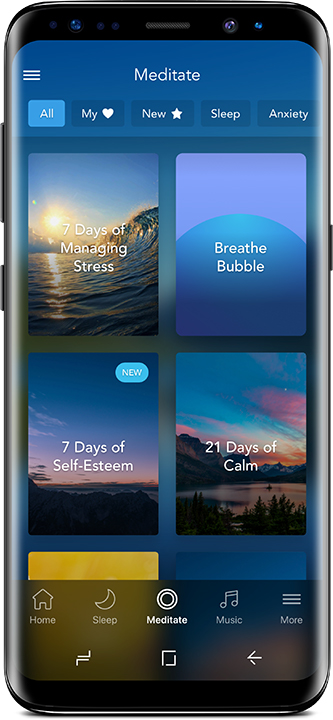
From a meditation app to the movies: Calm intends to expand its product line to shows/films that soothe anxiety and boost morale.
This shift might impact the entertainment industry. Meditation app Calm, which already works with celebrities such as Matthew McConaughey, is branching out into Hollywood. The California-based company plans on producing a number of shows and movies that soothe anxiety and boost morale.
There’s far more innovation on the horizon: Scientists are researching how AI can impact psychiatry and other areas of mental health, including patient diagnosis. Big tech is expanding voice tech’s role in healthcare, which means Alexa might one day offer a lot more than just the news and weather.
“Approximately 80 percent of care can happen via remote means,” stresses Glass, “and that just reduces all kinds of costs in the system.”
In the coming years, expect more wellbeing tools that work in conjunction with medical care. The new consumer might find themselves weekly teleconferencing with a therapist, then relying on a meditation app during moments of stress. Or maybe they’ll wear a bracelet that will warn them when a panic attack is forthcoming. The future will be full of both intrusive and feel-better tech readily available at an individual’s fingertips.
.png)