x




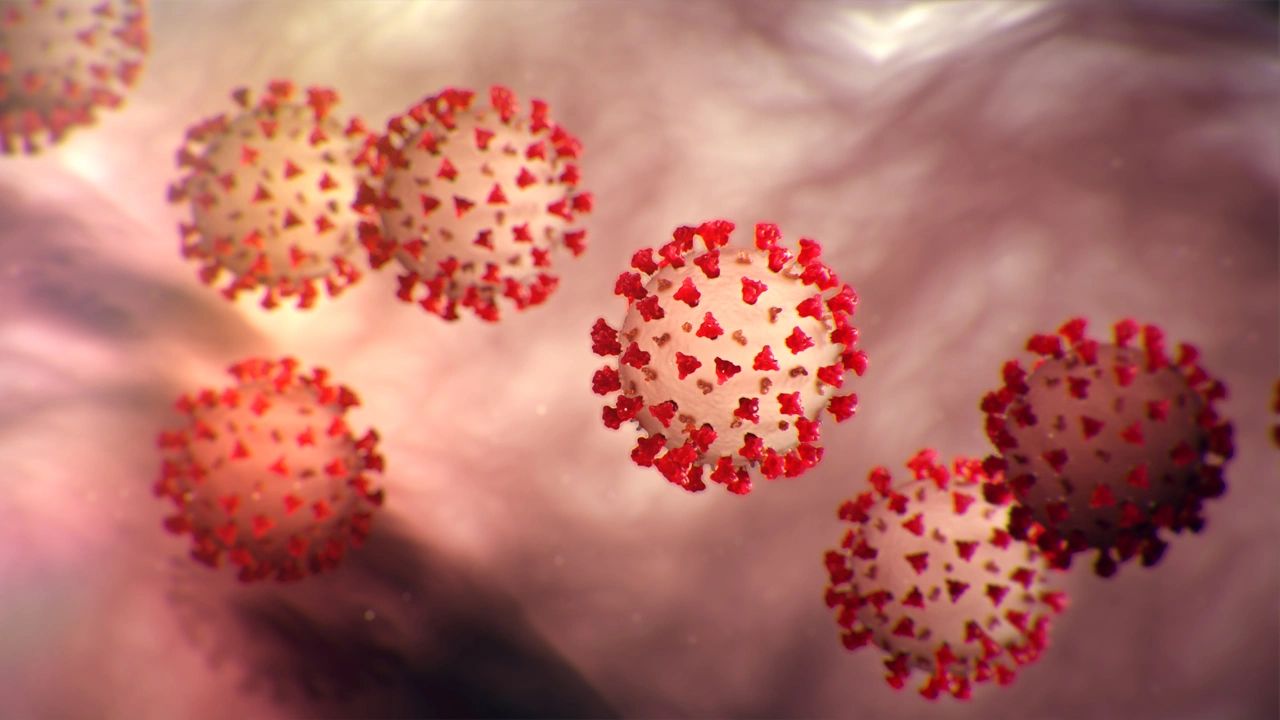
Viruses are particles that exploit the RNA and DNA of other cellular life forms in order to proliferate and survive. The introduction of viruses to a host promotes viral propagation by altering the host’s normal genomic and metabolic state.
Viral invasion can lead to a variety of outcomes, ranging in severity. An infection may be acute, mild, and quickly resolved by the host’s immune system (e.g., the common cold), or the infection may be severe, even fatal, and lead to chronic disease. Commonly recognized viruses may include, but are not limited to, the following:
Unlike bacteria, fungi, and eukaryotic parasites, which are living cells that use their own cellular DNA for replication, viruses are not living cells and require the genetic information present in host cells in order to replicate. Viruses are characterized by an outer protein shell, known as a capsid, which houses limited amounts of genetic material (RNA or DNA). The entirety of the genetic information and the outer protein shell is referred to as a virion. In order to replicate, the genetic information contained within the virion must be transmitted into a host cell.
The outer surface of the virus possesses proteins recognized by specific cellular receptors on host cells, which initiates virus transmission. The virus’ genetic material can then penetrate the cellular nucleus to interact with the host’s DNA to produce mRNA, which ultimately leads to viral proteins that may generally be classified by three functional characteristics:
The accumulation of virions in the host cell may eventually lead to cellular death as the infected cell either ruptures or disintegrates. Transmission then occurs by diffusion within extracellular space, transfer through temporary cellular membranes from non-lysed cells or other migratory cells, or by the carriage of the virus to non-infected cells through surface-to-surface contact.
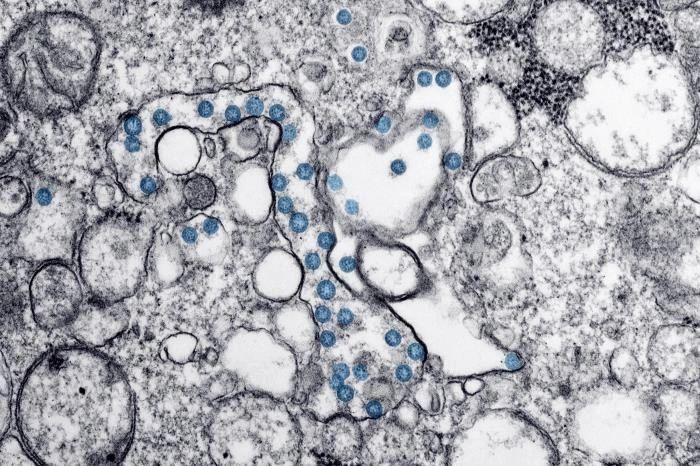
While viral infections are often characterized by their pathogenic actions (e.g., respiratory viruses, gastrointestinal viruses, neurological viruses, etc.), viruses are more accurately classified by their characteristic RNA or DNA, as well as the mode by which they approach replication and expression. The seven classes of viruses are labelled as:
After a viral invasion, your body’s innate and adaptive immune systems respond to the virus’ presence. A variety of cellular receptors are used to recognize when a pathogen has invaded or created byproducts that are potentially harmful to the body. This ultimately leads to the upregulation of immune, pro-inflammatory, and other products that attempt to remove or interfere with viral replication
Prevention of viruses mainly focuses on providing the body with a means of recognizing the pathogenic virus so that the immune system can ultimately react in a manner to disrupt viral spread. Vaccines are introduced into the body as a ‘practice run’ so that cellular receptors can effectively recognize and react to the presence of the viruses by inducing the immune system.
Unlike bacterial pathogens, viruses cannot be killed by anti-microbials, and anti-biotics are often incorrectly prescribed to address viral infection. Most viral infections do not require specific anti-viral drugs and are resolved by the body’s immune system. However, some anti-viral treatments may provide supportive functions by reducing the severity of symptoms or by suppressing viral recurrence.
Viral transmission may depend on the relationship between the characteristics of potential hosts, a host’s environment, and the pathogen itself. Pathogens may spread to new locations as a result of travel, migration, or trade, particularly with the global ability of rapid air travel and increasing population density.
Furthermore, approximately 80% of human viral infections proliferate in animals and arthropods, which increases the risk of transmission following contact with vulnerable human populations
Viral susceptibility also varies based on the pathogen itself, as well as the characteristics of the host. Differences in health, nutritional and immune statuses, genetics, physiology, and age, as well as the presence of previous or simultaneous viral infections are all contributing factors.
3 Min Story That Will Change Your Life: www.bsuccessful.com
.png)