x



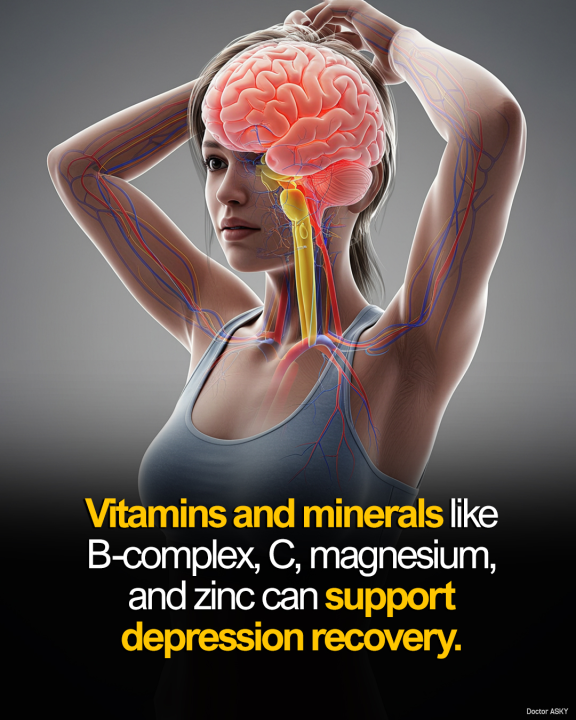
Most people know that vitamins are good for the body, but many don’t realize they’re just as important for the mind. If you're struggling with depression and looking for ways to feel better without jumping straight into medications, vitamins might be worth exploring. They're not a magic cure, but they can support your brain and mood in powerful ways.
Let’s start with the B vitamins. These are essential for keeping your brain and emotions in check. Since they’re water-soluble, your body doesn’t store them for long, so you need to get them from food or supplements daily. Thiamin (B1) helps fuel your brain, while pantothenic acid (B5) is key for producing hormones that help regulate mood. If your diet’s heavy on sugar or alcohol, these can drain your B vitamin levels and worsen depression symptoms. That’s why many people benefit from a B-complex supplement, especially if they're not eating enough whole grains, legumes, eggs, or leafy greens.
Vitamin C is another big player in mental health. It helps with everything from lowering inflammation to improving mood. If you’ve been under a lot of stress, are recovering from an illness, or are pregnant, your need for vitamin C might go up—so a supplement could help you stay balanced.
Minerals matter too. Magnesium helps with relaxation and sleep, calcium supports nerve function, and zinc is involved in brain signaling. Deficiencies in these can affect how you feel emotionally.
Bottom line? If you're feeling low or think you might be depressed, talk to your doctor. Check Your Health At The Door: Visit www.bovinebob.com