x




All nuts are brimming with protein, vitamins, and minerals.
People who eat nuts live longer, healthier lives than those who don’t.
While every kind of nut offers brain benefits, walnuts are the undisputed champion.
Compared to other nuts, walnuts have the highest omega-3 to omega-6 ratio.
Walnuts are one of the best sources of ALA (alpha-linolenic acid), the plant form of omega-3 fats.
They are the best among the few foods that contain mood-elevating serotonin.
Walnuts contain a unique polyphenol, pedunculagin, which has antioxidant and anti-inflammatory properties that may reduce brain inflammation.
Walnuts have the potential to reverse several parameters of brain aging.
They reduce the oxidant and inflammatory load on brain cells and increase brain cell production.
Walnut extract inhibits the buildup of toxic beta-amyloid proteins found in the brains of Alzheimer’s patients.
One study on adults of all ages found that eating walnuts improved reaction time, learning, and memory recall.
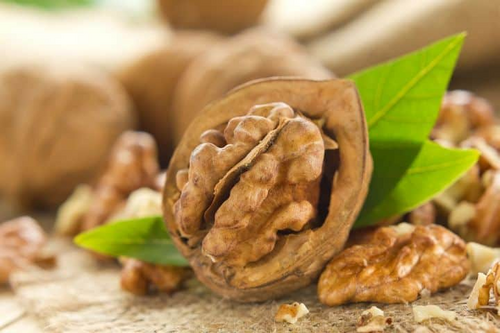
It’s easy to remember to add walnuts to your brain food shopping list because the edible portion looks a little like a brain!
To get the freshest walnuts, buy them in the shell.
If you aren’t into nut cracking, buy shelled whole walnuts.
Chop them just before use to maintain maximum nutrition and taste, and to prevent oxidation.
According to Walnuts.org, it’s best to store walnuts in your refrigerator, not your pantry, to keep them from turning rancid.
If you plan on storing walnuts for longer than a month, they advise keeping them in your freezer.