x






Running a foodservice operation requires a lot of thinking. You have to order ingredients on time, balance your finances, and manage your staff amidst a world of other concerns. As important as it is to consider what food you’re making, it’s equally important to think about what happens to food that’s left uneaten. According to Feeding America, America produces an estimated 72 billion tons of food waste each year.
This is something your customers care about, as demonstrated by these food waste facts. A study by Unilever revealed that 72% of U.S. diners said that they care about how food waste is handled. 47% are concerned enough that they would be willing to spend more money to eat at a place that actively tries to reduce its food waste production. This makes it all the more important to find ways of reducing food waste in America.
If you're looking for food waste solutions and how to reduce restaurant food waste in your establishment, follow the steps below to get started:
A food waste audit is identifying where your operation's food waste comes from, so you can then find ways to reduce your restaurant's food waste. The first step to reducing food waste is to find out exactly how much you’re wasting and what kind of waste your establishment is producing.
There are two main factors to take into account as you track your food waste. You need to consider how much food is being wasted and how many people are coming through your restaurant. By gathering data for both of these variables, you can get a better sense of what your biggest source of waste is.

Provide your staff with a simple sheet of paper where they can keep track of what's being thrown out, why it's being thrown out, and how much is wasted. As an alternative, there are waste tracking systems like Leanpath that use a specially designed scale with a touch screen terminal and computer software to track how much food you're throwing out without the hassle of a pencil and paper.
Also, be sure to keep a second log system for post-consumer waste, or what food customers pay for but don’t eat. This type of food waste is much more difficult to control because, ultimately, if that toddler at table 3 doesn't want the broccoli that was ordered for them, odds are good that you're going to get it back, untouched, when they leave. Still, it's well worth evaluating what is being thrown out and how much this amounts to. Gathering as much data as feasibly possible will only help you when it comes time to evaluate the results and make changes to how your operation handles restaurant food waste.
Another common tool that many restaurants use is a daily log of how much traffic the restaurant received and what the weather was like. For example, a log may show that 280 guests were served on the Friday before Christmas and the weather was 50 degrees and sunny. While this data may not seem useful right away, it’s immensely helpful when it comes to planning for the following year’s customer volume. If chefs can get a baseline of how much traffic to expect, based on the previous year’s findings, they will have a better sense of how much food to order. As years go by, this data becomes more and more valuable because the trends become clearer. Many POS systems feature daily log capabilities, so it’s definitely something to look for when you choose a POS for your business.
Once you know what’s being wasted, talk to your staff and try to think of ways to improve. What are the biggest contributors to food waste in your kitchen? Why are specific items thrown out? These are the questions that should be in the back of your mind as you look at the data.
An easy way to think about the next steps is to break up your waste types into three categories:
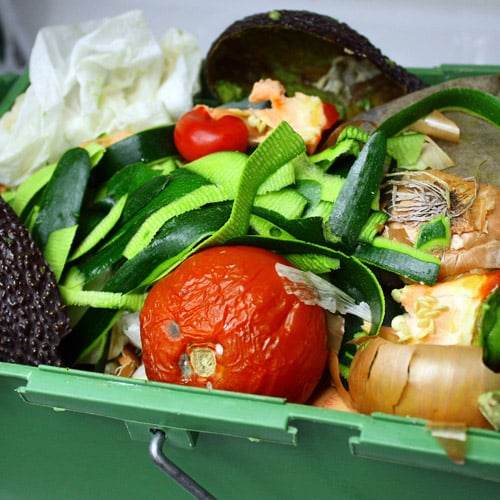
Next, consider the following options and determine which ways make the most sense to implement as solutions to each type of waste:
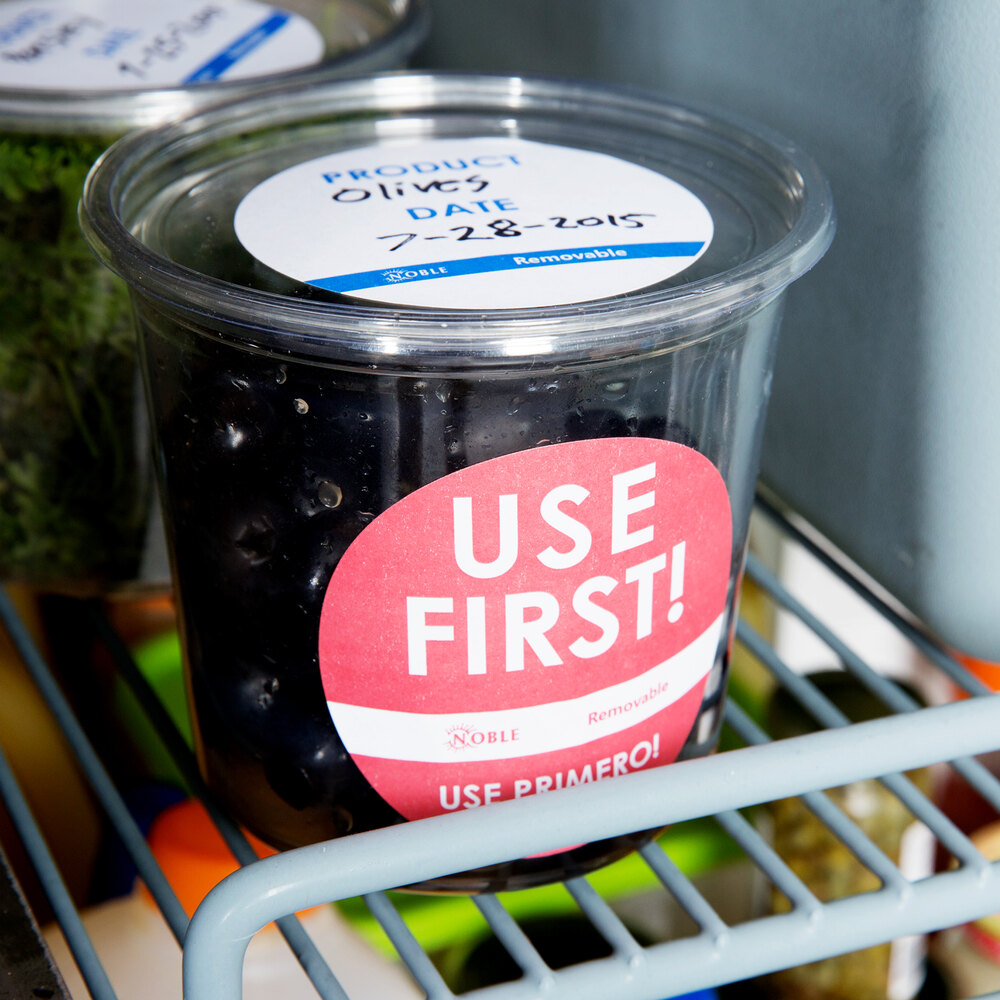
Pre-consumer waste is the area where you likely have the most opportunity for positive change because there are many factors within your control when it comes to ordering, storing, and prepping your ingredients as well as how you handle surplus ingredients.
There’s not much you can do with the food once it’s left your kitchen, but you can make sure that you’re presenting guests with the necessary information and proper portion sizes, so your customers know what to expect and can eat until they are comfortably full.
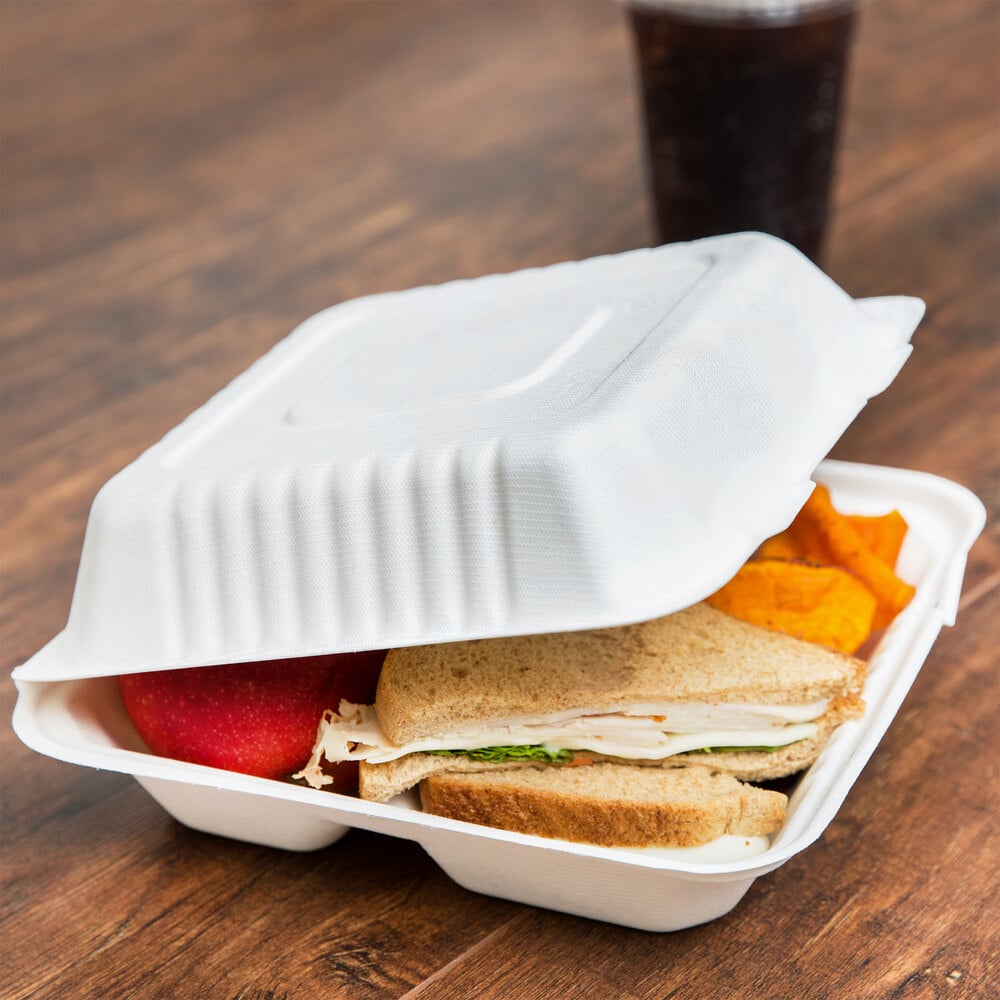
While the use of disposables aids in reducing food waste in restaurants, they are inherently designed to be thrown away, so be mindful of which disposables you choose and try to think of ways around using them whenever possible.
Consider alternative ways of disposing of your waste that doesn’t bury food, plastics, cans, and cardboard in a landfill.
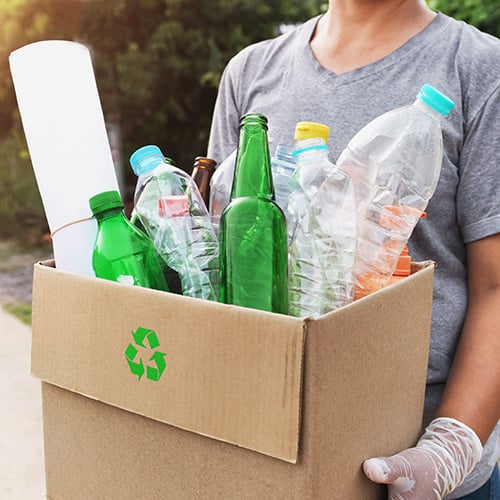
Composting centers are still gaining ground and therefore not as widespread as traditional landfills, but resources like findacomposter.com make it easy to find a site near you. If composting sounds like a real possibility for managing restaurant food waste at your establishment, you can find out all the details in our article all about restaurant composting.
It’s important to assess your food waste regularly so that you can constantly monitor trends and implement any changes that may be necessary. No matter how delicious your recipe is, certain dishes can sometimes simply fall out of fashion as customers seek different, newer options. Staff members may move on, so you’ll have new employees to train and manage. There are so many factors that may contribute to increased waste within your carefully thought-out system, so checking in on them is just part of the process of reducing food waste in your restaurant.
There can be many benefits to using alternative waste disposal methods, both environmental and financial. However, not every method will be a good fit for every restaurant. Luckily, the EPA offers handy tools for monitoring food waste management that can give you an idea of how cost-effective some of the above methods to reduce food waste can be and which ones could be a good fit for your business.
A zero-waste restaurant means that a restaurant does not produce any trash or food waste that has to be taken to a landfill. There are few zero-waste restaurants around the world, but many food businesses are taking steps to implement zero-waste practices to minimize their carbon footprint on the world and embrace a completely eco-friendly ethos.
Even if your business seems to have a good handle on its production of food waste, it's never a bad idea to dive a little deeper into how much restaurant food waste you produce daily. If your waste production turns out to be more than you thought, try taking some simple steps to better monitor and minimize your waste production. Your community, your planet, and your wallet will thank you for reducing food waste.
.jpg)