x




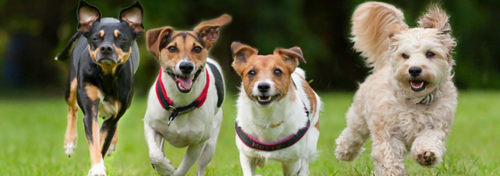
Keeping your pet at an ideal weight is an important way to stay a step ahead of potential health issues. Of course, gradual changes in weight can be difficult to notice over time, which is why performing a simple body condition score (BCS) test once in a while can help you assess your pet’s weight needs before it’s too late.
Body Condition Scoring helps determine if a pet's growth rate and feeding amounts are correct. Monitoring growth and weight can help prevent obesity or help you spot drastic weight loss before the signs are too far gone.
At each visit, your veterinarian will weigh your pet. Your pet's body condition may be rated on a scale of 1 to 5 with 1 meaning very thin and 5 meaning obese. If necessary, your vet can help you adjust the amount of food you are offering to help your kitten achieve an optimal BCS of 3.
• 5 – Obese
A thick layer of fat makes your pet’s ribs very difficult to find. Bonier areas like the knees are covered by a moderate to think layer of fat.
• 4 – Overweight
The ribs and bonier areas are difficult to feel with a thick layer of fat.
• 3 – Ideal
You can easily feel your pet’s ribs, but there is a slight layer of fat covering them. Bony prominences also have just a slight layer of fat.
• 2 – Underweight
Little fat is covering the ribs, and they are visible without having to touch your pet.
• 1 – Very Thin
There is no fat around your pet’s ribs, and they are visible to the eye. Bony prominences are also visible with no sign of fat.
Once you are familiar with the differences along the BCS scale, there is no reason you shouldn’t be able to perform your own BCS tests at home between veterinary visits.
If you notice that your pet is losing weight – and you’re feeding the recommended amount – you may want to schedule an appointment with your veterinarian as soon as you can. Weight loss can be a sign of more serious underlying health issues. Generally, weight gain is a simple matter of your pet eating too many calories without enough exercise. If you notice your pet is gaining fat, you may want to ask your vet about feeding amounts, opportunities for extra playtime, or possibly a change in their pet food.
.jpg)