x




Cells are incredibly complex. While experts still don’t fully understand cells, how they work, and why they behave the way they do, one thing is sure: cells are the building blocks of life. Understanding how they work can help us improve our longevity and overall well-being. This article will discuss one of the essential parts of the cell--the membrane.
The cell membrane--also known as the plasma membrane--is the thin membrane surrounding every living cell. The membrane helps protect the cell from the environment that surrounds it. Inside the cell membrane are the cell’s constituents such as proteins, nucleic acids, carbohydrates, and cellular metabolism substances.
The membrane plays an essential role in ensuring our cells are healthy and protected. Without them, cells would be exposed to unwanted substances. The membrane also acts as a gate, allowing the transport of essential nutrients.
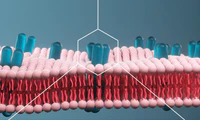
Cell membranes are incredibly complex. They are composed primarily of fatty-acid-based lipids and proteins. There are two types of these lipids: phospholipids and sterols - mainly cholesterol. Both lipids dissolve readily in organic solvents, and both have a region that is attracted to and soluble in water.
The structure of the membrane makes it very flexible. This flexibility allows for rapidly growing and dividing cells. Despite its flexibility, the membrane also acts as a formidable barrier, allowing some dissolved substances to pass while blocking others. To put it simply--our cells wouldn’t operate without the membrane.
As we previously mentioned, the cell membrane is found in all cells - and we say all cells, we mean ALL cells. The membrane can be found in all living organisms. It serves functional roles varying from one type of cell to another.
For example, in amoebas, the cell membrane helps develop pseudopodia, which helps the feeding process. In plants, the cell membrane is between the cell cytoplasm and the cell wall. The main difference here is the cell wall’s makeup in plants vs. the cell wall’s makeup in animals.
The cell membrane’s primary function is to separate the cell’s inner part from the external environment. However, it’s much more versatile than that. Here are some examples of the cell membrane function:
It can be easy to confuse the cell membrane for a cell wall. The primary difference between a cell membrane and a cell wall is that every living cell contains a cell membrane - not every cell contains a wall. Cell membranes are on both plant cells and animal cells, while animal cells typically don’t have cell walls.
Both help protect the cell, but they do so in different ways. Remember, the membrane closes the cell off from the outside, dictating what’s allowed in and what’s allowed out. The cell wall acts as a rigid protective layer that covers the cell membrane.
Cell walls are much thicker than plasma membranes. Because of this, researchers discovered cell walls much earlier than cell membranes. From cell to cell, the composition and organization of the cell wall can vary significantly.
For example, plant cells have both a primary cell wall and a secondary cell wall. The primary wall accommodates the cell as it grows, while the secondary wall develops inside the primary cell wall until it has stopped growing.
Our body is made up of trillions of cells. It’s nearly impossible to wrap your head around that number. Understanding the main types of cells can help you better understand the body’s cellular makeup and why it behaves the way it does. Here are some of the most critical cells located in the body: