x





The word “plaque” sure gets a bad rap. Unfortunately, plaque on your arteries is almost always serious...sometimes as serious as a heart attack (literally). In fact, plaque is often a factor in the #1 cause of death in the U.S.: heart disease. Here’s what you need to know about how arterial plaque can impact your health, and preventative measures you can take to stay well.
Just as plaque on your teeth is a build-up of all kinds of things that you’d rather not have living in your mouth (bacteria, old food), plaque lining your arteries can be a not-so-lovely medley of LDL cholesterol (the “bad” kind) and other fatty substances, cellular waste and calcium build-up. Plaque develops when the endothelial cells lining the inside of your blood vessels become injured or dysfunctional because of excessive LDL cholesterol, high blood pressure or inflammation. As it progresses, plaque can lead to heart disease, heart attacks, strokes and more.
So how do some unwanted fats and cells become a potentially life-threatening condition? It starts with the emergence of plaque on the delicate inner lining of your blood vessels and veins, called the vascular endothelium.

In the first phase, called intimal thickening, the inner layers of your vascular endothelium accumulate extra cells.

Next, fatty streaks appear within this thickening. Fortunately, during these first two phases, lifestyle changes such as diet and exercise, as well as medication, can reverse the plaque growth.

This more serious phase, called fibro-calcific plaque, occurs when the plaque becomes thick and fibrous, encapsulating the layers that are already in place.
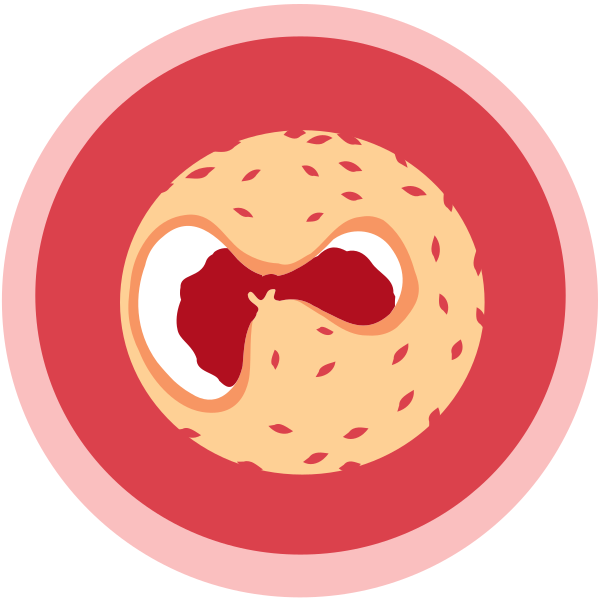
This is the most serious phase of plaque development, called vulnerable plaque, in which you’re most vulnerable to suffer a heart attack, stroke or sudden death due to ruptured plaque deposits. The plaque can accumulate calcium that’s circulating within your bloodstream, making a serious incident even more likely.
Particularly in the final phases, arterial plaque is a serious, life-threatening condition. Here are some worst-case scenarios:

As serious as arterial plaque is, lifestyle choices and a great relationship with your doctor can go a long way towards protecting your arteries, particularly if you make changes before the plaque progresses. Here’s what you can do:
You should definitely pay attention if your doctor mentions plaque at your next visit—but the good news is that to a large extent, the right choices can keep this condition from becoming a worst-case scenario. Most importantly, don’t skip heart health lab tests or check-ups to avoid any progressive declines in your health from sneaking up on you.