x




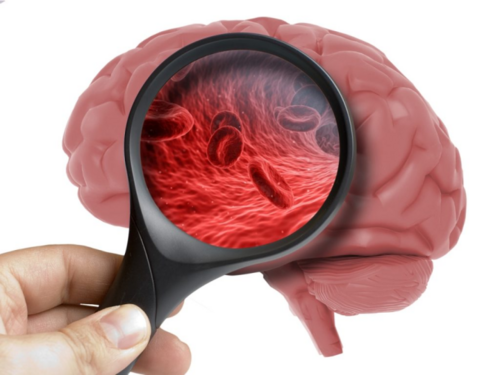
Cerebral blood flow (CBF), also called brain blood flow, is the highly specialized movement of blood through the blood vessels to and throughout your brain. The blood delivers oxygen and all of the nutrients needed for your brain to work and regenerate.
The brain has an extremely high metabolic demand. It weighs 2% of your body but uses 20% of oxygen and 20% of glucose that your entire body consumes. So, your brain is exquisitely sensitive to lack of blood flow. That means your body has to keep CBF extremely constant under normal physiologic conditions.
While your autonomic (fight or flight vs. rest and digest) regulates blood pressure elsewhere in the body, it doesn’t regulate CBF. Instead, your body maintains adequate and consistent brain blood flow through a system called autoregulation.
Scientists are still trying to fully understand how autoregulation works, as it’s a very complex coordination between the nervous and cardiovascular systems. Factors involved in this process include:
Endothelial cells, which line the blood vessel walls, play an important role in autoregulation as well.
When your brain doesn’t get enough blood flow, it may not get enough oxygen, fuels, and nutrients. Your brain mitochondria uses oxygen to take up high-energy electrons towards the final steps of mitochondria energy productions. So, lack of oxygen allows these high-energy electrons to build up and become oxidative stress.
Oxidative stress can interfere with mitochondrial energy production, preventing your neurons from producing optimal levels of energy. It can also activate inflammation and excess glutamate that damage neurons. The oxidative stress then further constricts blood flow to the brain These are all a cascade of bad things for cognitive function.
So, in short, unhealthy brain blood flow is bad for your brain function and overall brain health. It ages your brain, and contributes to poor mental and cognitive function.
On the flip side, boosting brain blood flow can jump start the full potential of your neurons through optimizing metabolism and energy production. It’s even better if you have no official diagnosis but want to go from normal to superhuman brain function. Now, let’s first go over what low brain blood flow looks like.
Low brain blood flow means your brain will struggle to produce energy and get the nourishment it needs. The lower the brain blood flow is, the worse the symptoms and potential damage will be. You may not have any symptoms until the reduction of blood flow exceeds the ability of oxygen extraction to meet metabolic needs.
Please note that while low CBF contributes or correlates to all kinds of cognitive dysfunction and brain ailments, these conditions are multifactorial. In many cases, improving brain blood flow may help, but typically will not cure the conditions as there are other factors that need to be addressed.
We include these conditions for completeness and educational purposes only. We do not imply that any of our products can cure any diseases. Please speak to your doctor for diagnoses and treatments.
Increased CBF is associated with improvements in executive functioning, attention and memory, as well as an increased volume of the amygdala and the hypothalamus. Similarly, decreases in CBF are associated with poor cognitive function. This decline in brain function could be in specific areas or simply experienced as general brain fog.
A population-based study carried out from 2005-2012 found impaired CBF to be associated with increased rate of cognitive decline and a higher risk for dementia and Alzheimer’s Disease.[10]
Depending on specific areas that may be experiencing lower CBF, various physical symptoms may be present. These are some possible physical symptoms of poor CBF, typically from more severe impairment from a health condition, like stroke or atherosclerosis:
Imaging studies found that people with anxiety disorders, obsessive-compulsive disorder (OCD), and PTSD have reduced brain blood flow
Compared to healthy subjects, decreases in CBF in some brain regions is associated with major depressive disorder, both early and late age onset.
Altered CBF is also implicated in autism spectrum disorder, schizophrenia, and bipolar disorder
Low brain blood flow can make you tired from mitochondrial dysfunction and high oxidative stress in your brain.
Chronic fatigue syndrome (CFS) is a severe condition of debilitating fatigue and is often accompanied by neuropsychiatric symptoms. It’s a diagnosis of exclusion since the precise cause is unknown after ruling out depression, thyroid conditions, and other medical conditions with similar symptoms. Many chronic fatigue patients have low brain blood flow.
There are three categories of factors that impede CBF:
CBF can be caused by many factors involved with lifestyle, behavioral choices, and various health conditions.
It is estimated that chronic low CBF is present in two‐thirds of individuals older than 65 years of age, 50% of people ages 50-65, and 25% of those 45-50 years old
Atherosclerosis is the buildup of cholesterol and plaque in the walls of arteries. As plaque builds up, the diameter decreases, creating a blockage to adequate blood flow.
While you may initially think of coronary artery disease, where this commonly happens in arteries of the heart, atherosclerosis can happen in any arteries in the body, including the cerebral (brain) arteries. Another common location for plaque formation is the carotid arteries, which are the mainline of oxygenated blood to the brain.
Imagine it like this: Instead of your heart muscle slowly decreasing in function and deteriorating from inadequate blood flow, it’s your brain. Scary stuff right? The fundamental solution is living a healthy lifestyle and taking appropriate health measures to avoid atherosclerosis anywhere in your body.
The most severe example of a physical blockage to CBF is a clot that flows downstream until it lodges in an artery and stops the flow of blood and oxygen to the areas of the brain that artery feeds.
In the case of stroke, whatever functions of the region of the brain affected by the lack of blood flow control, become affected. Common signs of stroke are face drooping or other muscle weakness, speech or swallowing difficulties, and cognitive impairments.
In the case of a stroke due to a clot, the preventive measures are much the same as for atherosclerosis, since plaques that break off are a common cause of blockage.
Autoregulation of CBF is only effective within a certain pressure range. If the pressure in the system goes outside of 60-160 mmHg, regulation of CBF is lost and this results in significant brain injuryIf your blood pressure is too far from optimal range in either direction, then it’s likely your brain blood flow is abnormal as well.
Hypertension, versus hypotension, is likely the more common example. This can occur in an acute event of a rapid and high spike in blood pressure. However, some people walk around for many years with significantly elevated blood pressure levels. A common symptom of high blood pressure is fatigue because the brain can’t produce enough energy due to lack of oxygen.
Beyond the potential to break autoregulation, chronic hypertension can damage the arterial walls and lead to atherosclerosis.
Therefore, you want to see your doctor about treating hypertension if you have it. Also, work to optimize your blood pressure with diet and lifestyle.
Traumatic brain injury (TBI) is the result of a sudden external physical force on the brain. It is one of the most common causes of disability and death and includes a range of injuries from severe trauma to even mild concussion.
Following a TBI, CBF is decreased soon after by a chemical released by the body called endothelin. This early alteration in CBF likely affects brain function and contributes to prolonged recovery.
If you experience even a mild head injury, it is important to take steps to increase CBF to support healing.
Stress causes a cascade of changes to the central and autonomic nervous systems, and various hormones through activation of the hypothalamic-pituitary-axis (HPA). There are also significant increases in catecholamines like epinephrine and norepinephrine in response to stress. These systems are meant to activate in order to respond and adapt to acute stressors
Chronic stress creates maladaptive responses in these same systems, as well as metabolic and immune system dysfunction.
Each of these systems negatively affects cerebral vascular endothelium and CBF independently. Together, all of these stress-related changes impair brain blood flow.
Your Brain Health Is Important: Protect It At All Cost For A More Health Body... Yes We Have A Patch For That