x




You know that sleep is vital to your physical and mental health. But, how can you tell whether you’re truly sleeping well? Especially if you work shifts, your sleep probably does not look exactly like other peoples’ sleep. It can be hard to measure your sleep patterns against those of the people around you.
On average, adults should optimally receive between seven and nine hours of sleep each night, but those needs vary individually. For example, some people feel best with eight consecutive hours of sleep, while others do well with six to seven hours at night and daytime napping. Some people feel okay when their sleep schedule changes, while others feel very affected by a new schedule or even one night of insufficient sleep.
Here are some statements about your sleep. If these apply to you, it’s a good sign that your sleep is on track. If you’re a shift worker and you don’t agree with many of these, it could mean that you need to make changes in your behaviors and routines to improve your sleep.
Shift workers who try to sleep during the day often wake up after fewer than seven to nine hours, because of the alerting signals coming from their circadian system. This does not mean they don’t need seven to eight hours of sleep per day—it just means it’s harder to sleep during the day. Over time, this can lead to chronic sleep deprivation.
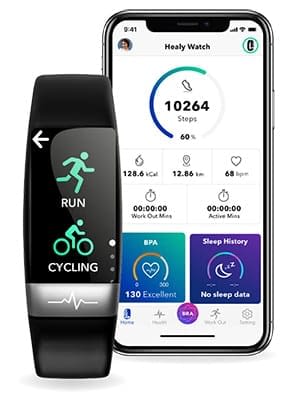
GIVE THE GIFT OF SLEEP HEALY WATCH