x




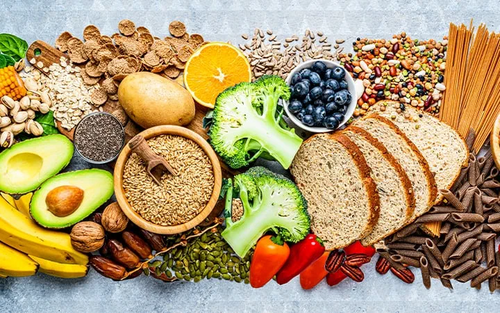
Gut health is receiving a lot of attention these days, as researchers learn ever more about the trillions of microorganisms that reside in the digestive tract and how they influence your overall health.
These microorganisms, which include bacteria, viruses and fungi, are known collectively as the gut microbiome. The growing field of research provides an empowering message: You can improve gut health with the food choices you make and benefit your overall health. Dietary fiber from a variety of foods is the fuel for a healthy gut microbiome.
The colonies of organisms that live in the intestinal tract affect much more than digestion. Gut bacteria play a role in production of key enzymes, hormones and vitamins that affect the immune system, metabolism, obesity, inflammation, chronic diseases, heart health as well as mental health. There’s also research showing that gut microbiome can affect sleep quality.
Certain foods help nourish beneficial bacteria and diversity the types of gut microbes:
“Eating a healthy diet with prebiotic and probiotic foods is the most effective way to improve your overall health,” says Thomas J. Sferra, MD, Chief of Pediatric Gastroenterology at University Hospitals Rainbow Babies and Children’s.
Dr. Sferra tells his patients that a great way to work fermented foods into the diet is by using plain yogurt or kefir rather than milk in healthy smoothies and shakes. “I tell patients to try kefir, but it can taste kind of sour if you’re not used it. If you mix it up with fruits and things, it’s actually pretty good.”
People who don’t eat enough plant-based fiber or fermented foods may be doing harm to their gut health. A diet heavy in highly processed foods – which typically are low in fiber and high in sugars, salt, chemical additives and preservatives – can negatively affect diversity of gut microbiome and contribute to physical and mental health issues. Examples of highly processed foods include packaged snacks, white bread, frozen meals, chicken nuggets and sweetened cereals.
Probiotic supplements may be helpful for certain gastrointestinal health conditions, such as irritable bowel syndrome and diarrhea. But not all strains are beneficial. It’s best to consult with your doctor before taking supplements.
Some evidence has emerged that probiotic supplements can negatively alter the diversity of gut microbiome in healthy people.
Supplements aren’t regulated like drugs and don’t require Food and Drug Administration approval. With probiotic supplements, the strains of bacteria and potency levels differ, and there’s no guarantee they will be helpful for a healthy person. Probiotic supplements can also be costly, Dr. Sferra says.
“The best (and less expensive) way to ensure a healthy gut microbiome is to consume a diet rich with prebiotic and fermented food types.”