x




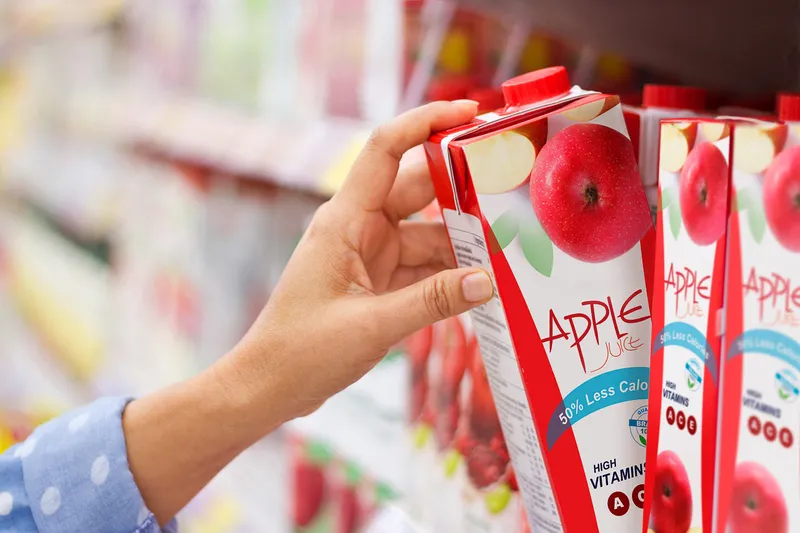

Ever bought a “low sugar” instant oatmeal or “less sugar” soda in an effort to cut back on the sweet stuff? Those products were probably sweetened with a combination of a regular sweetener like sugar and no- and low-calorie sweeteners like sucralose or stevia. It’s a combo that lets manufacturers reduce the total sugar but keep the sweet flavor--while masking the bitter aftertaste that some sugar substitutes can have.

A trendy sugar detox diet promises to end your craving for sweets and help you lose weight. But does it work? Here's the truth about sugar cravings and how to tame your sweet tooth.

Some people use sugary foods in ways that aren't healthy, even though it may not be an actual addiction. Some signs: You crave sugar, lose control, and eat more than you planned.

3/19
Sugar fuels every cell in the brain. Your brain also sees sugar as a reward, which makes you keep wanting more of it. If you often eat a lot of sugar, you're reinforcing that reward, which can make it tough to break the habit.

Why do you get a rush when you eat a midday candy bar? The sugar in it -- called a simple carbohydrate -- is quickly turned into glucose in your bloodstream. Your blood sugar levels spike. Simple carbs are also found in fruits, veggies, and dairy products. But these have fiber and protein that slow the process. Syrup, soda, candy, and table sugar don't.

Your body needs to move glucose out of the bloodstream and into your cells for energy. To do this, your pancreas makes insulin, a hormone. As a result, your blood sugar level may have a sudden drop. This rapid change in blood sugar leaves you feeling wiped out and shaky and searching for more sweets to regain that sugar "high." So that midday sugary treat has set you up for more bad eating.

Think you don't have a sweet tooth, but crave bagels, chips, or french fries? These starchy foods are complex carbs that the body breaks down into simple sugars. Eaten without better foods, starches can make blood sugar surge and crash like sugar. White rice and white flour do this. Highly refined starches like white bread, pretzels, crackers, and pasta are worst.

Can you beat your sugar habit by quitting cold turkey? Some sugar detox plans urge you to avoid all sweets. That means all fruit, dairy, and refined grains. The idea is to purge your system of sugar. Diet changes like this are too drastic to keep up. Changes that you can do only for the short term mean you'll fall back to your old habits.

Retrain Your Taste Buds
You don't need sugar as much as you think you do. In fact, you can train your taste buds to enjoy things that aren't as sweet. Try cutting out one sweet food from your diet each week. For example, pass on dessert after dinner. Start putting less sugar in your coffee or cereal. Over time, you will lose your need for that sugar taste.

You don't have to give up sweetness. Just get it from other sources. Try fresh berries or pureed fruit on oatmeal instead of sugar. Explore fruit that's dried, frozen, or canned (without too much added sugar). A glass of low-fat milk or low-sugar yogurt can help.

If you make small, simple changes to your diet, it's easy to keep them up. Start by eating more fruits and vegetables. Drink extra water. Check food labels, and pick those that don't have a lot of sugar. Cut out a little bit of sugar each week. After a few weeks, you'll be surprised at how little you miss it.

1
Eating protein is an easy way to curb sugar cravings. High-protein foods digest more slowly, keeping you feeling full for longer. Protein doesn't make your blood sugar spike the way refined carbs and sugars do. Pick proteins like lean chicken, low-fat yogurt, eggs, nuts, or beans.

Fiber helps fight a sugar itch in many ways. First, it keeps you full. High-fiber foods also give you more energy. Because they don't raise your blood sugar, there's no hungry crash after. Choose fruits, vegetables, and whole grains. Or smear some peanut butter on an apple for a protein/fiber combo.

Exercise can help wipe out those sugar cravings and change the way you eat in general. You start to feel better and want healthier foods. Do what you like, such as walking, riding your bike, or swimming. Start out slow, and work toward at least 150 minutes spread throughout the week.

Some studies suggest artificial sweeteners may leave you craving more sugar. That could make it harder to control your weight. The problem is, some experts say, that artificial sweeteners don't help you break your taste for sweets. Pay attention to your body. Are sweeteners making you crave even more sugar? If so, look elsewhere for that sweet taste.

Honey, brown sugar, and cane juice may sound healthy. But sugar is sugar. Whether it comes from bees or sugar cane, it can cause your blood sugar to rise. Honey and unrefined sugars are slightly higher in nutrients, but their calories still count.

If you're like most people in the U.S., you eat 19 teaspoons or more of added sugar a day. That adds up to 285 calories, which health experts say is way too much. How much sugar should you be eating? According to the American heart Association, no more than 6 teaspoons daily for women. That's about 100 calories. Men should get a max of 9 teaspoons. That's about 150 calories.

You don't always see the word "sugar" on a food label. It sometimes goes by another name, like these:
Watch out for items that list any form of sugar in the first few ingredients, or have more than 4 total grams of sugar.

Sugar can hide in foods where you least expect it. Although they don't seem sweet, ketchup, barbecue sauce, and pasta sauce can have loads of sugar. So can reduced-fat salad dressings, bread, baked beans, and some flavored coffees. Get in the habit of reading labels. Filter out high-sugar foods before they hit your shopping cart.

Sugar itself doesn't cause diabetes. But lots of sugar splurges can point you there. Too much of anything, including sugar, can pack on pounds, for one thing. Heavy bodies may have a harder time using insulin, the hormone that controls blood sugar. When your body resists insulin, blood sugar and your risk of diabetes go up.
Sales of foods and drinks like this are on the rise, according to a new study. Between 2002 and 2018, sales of products sweetened with both regular sweeteners and sugar substitutes increased 30 percent, according to the researchers. Products containing rebaudioside A (like stevia) and sucralose (brand name Splenda) saw the biggest jumps, while older sweeteners such as aspartame and saccharin declined.
Sweeteners like sucralose and aspartame are intensely sweet but contribute either no calories or very few. As a group, they’re sometimes referred to as “artificial” sweeteners, but since some (like stevia) come from a plant source, that’s not entirely accurate. So they’re often called “non-nutritive” sweeteners instead.
In the study, beverages were the most commonly purchased item made with both regular and non-nutritive sweeteners, but I’ve also seen this duo in other products like instant oatmeal packets and dried cranberries.
There’s no doubt that non-nutritive sweeteners are controversial. The FDA says they’re safe, but the internet is full of scary personal anecdotes. It doesn’t help that the scientific evidence is confusing too. Some studies have linked them to increased risk for overweight and type 2 diabetes, while other studies have found the opposite.
As a dietitian, I think non-nutritive sweeteners can be useful to some people--for example, those with diabetes who need help with blood sugar control but don’t want to give up soda. But if you’re looking to these sweeteners for weight loss, it’s less clear whether they’re helpful or not.
What about the personal stories swirling around these sweeteners? If you have negative reactions like headaches or bloating after consuming them, it makes sense to avoid something that doesn’t agree with you. On the flip side, if you enjoy a packet of Splenda in your morning coffee without issue, that’s fine too.
What I worry more about is the constant desire for sweet foods and drinks. When you’re used to sweet drinks, plain water or even lightly-sweetened drinks may lose their appeal. Ditto for naturally sweet foods like fruits and vegetables.
While I’m happy that companies want to use less sugar in their products, I wish they’d simply reduce the overall sweetness a bit instead of swapping some or all the sugar for sugar substitutes. Then perhaps our collective taste buds would adapt and come to like a more subtle sweetness.
Since I’m not a fan of the flavor of non-nutritive sweeteners (even when they’re paired with sugar), I try to avoid them. But it’s not always clear from the front of the package that a product contains them. Phrases like “lower in sugar” and “less sugar” are clues. But to know for sure, you’ll need to flip over the package and check the ingredient list for terms like sucralose, acesulfame potassium, and saccharin.
.png)