Which Tea for What?
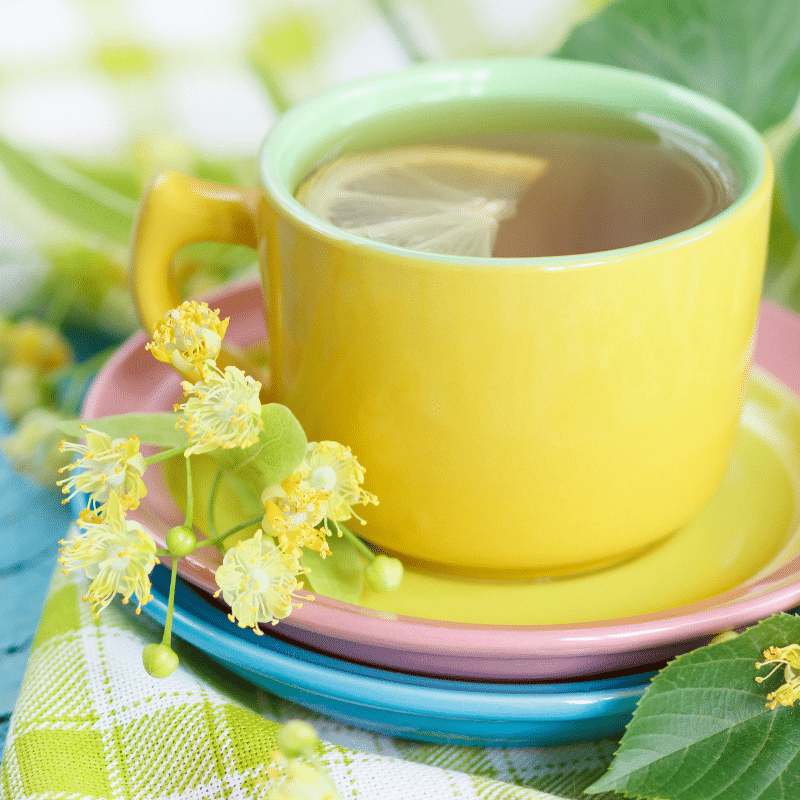
Regardless of the variety or how you serve it, cold or hot, you can maximize the power of tea’s healthy ingredients by drinking it freshly brewed. If you want to keep a pitcher of cold tea in your refrigerator, add a little lemon juice, to it before storing. The citric acid and vitamin C in the lemon helps preserve the flavonoids.
Making your own iced tea is easy—and much cheaper than buying the bottled or powdered stuff. It can also be healthier. While iced tea is generally lower in antioxidants than hot tea because it’s diluted with ice and water, you can counteract that tendency by starting with an extra-strong brew. For a stronger, healthier brew, steep it longer.
The article, Types of Tea and Their Health Benefits, provides the following information about which teas to drink for specific benefits:
- Green tea: Made with steamed tea leaves, it has a high concentration of EGCG and has been widely studied. Green tea’s antioxidants may interfere with the growth of bladder, breast, lung, stomach, pancreatic, and colorectal cancers; prevent clogging of the arteries, burn fat, counteract oxidative stress on the brain, reduce risk of neurological disorders like Alzheimer’s and Parkinson’s diseases, reduce risk of stroke, and improve cholesterol levels.
- Black tea: Made with fermented tea leaves, black tea has the highest caffeine content and forms the basis for flavored teas like chai, along with some instant teas. Studies have shown that black tea may protect lungs from damage caused by exposure to cigarette smoke. It also may reduce the risk of stroke.
- White tea: Uncured and unfermented. One study showed that white tea has the most potent anticancer properties compared to more processed teas.
- Oolong tea: In an animal study, those given antioxidants from oolong tea were found to have lower bad cholesterol levels. One variety of oolong, Wuyi, is heavily marketed as a weight loss supplement, but science hasn’t backed the claims.
- Pu-erh tea: This tea is considered a black tea and is made from fermented and aged leaves. One animal study showed that animals given pu-erh had less weight gain and reduced LDL cholesterol.
- Chamomile tea: The antioxidants may help prevent complications from diabetes and stunt the growth of cancer cells.
- Echinacea: Often touted as a way to fight the common cold, the research on echinacea has been inconclusive.
- Hibiscus: A small study found that drinking three cups of hibiscus tea daily lowered blood pressure in people.
- Rooibos (red tea): Rooibos is a South African herb that is fermented. Although it has flavonoids with cancer-fighting properties, medical studies on this tea are limited.