x






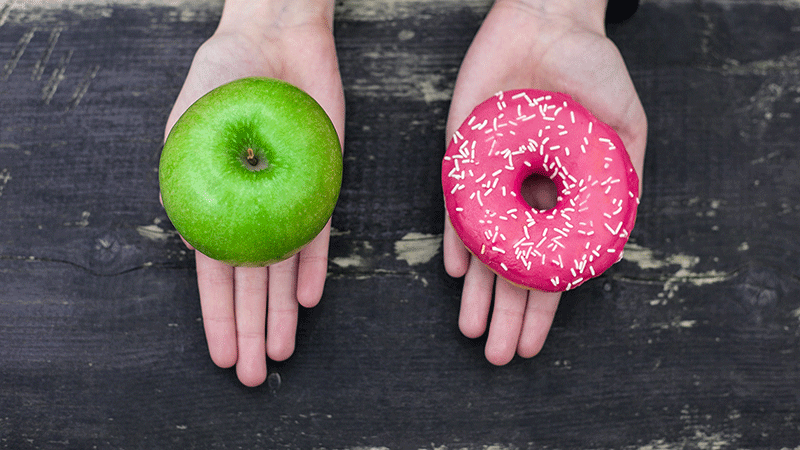
Does this sound like you — able to control your portions sometimes but losing control and uncontrollably eating large amounts of food at other times? This is called "binge eating" and lots of people do it.
A binge is when you eat a lot of food in a short time and it's usually not healthy food. Binge eating is bad for you, especially if you have diabetes.
Many people eat when they are feeling upset, angry, stressed, sad, lonely or fearful. Emotions such as these can be powerful triggers to eat.
If you're an emotional eater, you can learn other ways to react to your emotions. Emotions usually don't last long — often just 10 minutes to an hour — so you only need to distract yourself from eating for a short time, until the emotion passes. Try going for a brisk walk around the block or doing some yoga.
For many people, dinner is only the start of their nighttime eating. There's nothing wrong with a healthy snack such as fruit, plain popcorn or whole-wheat toast with a little peanut butter a couple of hours after dinner. However, nighttime eating is a problem when you eat large amounts of food or foods high in saturated fat, sodium and calories like cookies, chips, full-fat ice cream, sandwiches or leftovers.
If nighttime eating is a problem for you, try to eat most of your calories during daylight hours. Reach for a light, healthy snack in the evening.
Instead
|
Try |
| Cookies | 1 piece whole-wheat toast with peanut butter |
| Candy | 1 piece fresh fruit |
| Chips | 2 cups popcorn |
| Cheese and crackers | ½ cup fat-free or 1% cottage cheese with apple slices |
| Pizza | ½ to 1 cup of raw or cooked vegetables |
| Ice cream | ½ to 1 cup low-fat yogurt (flavored or plain) |
If these behaviors become regular occurrences, talk with your healthcare provider about what you can do.