x





The change of season tends to bring with it an increase in colds, flus and seasonal allergens. So, what causes this increase and how can we strengthen our immune system to keep the colds and flu at bay?
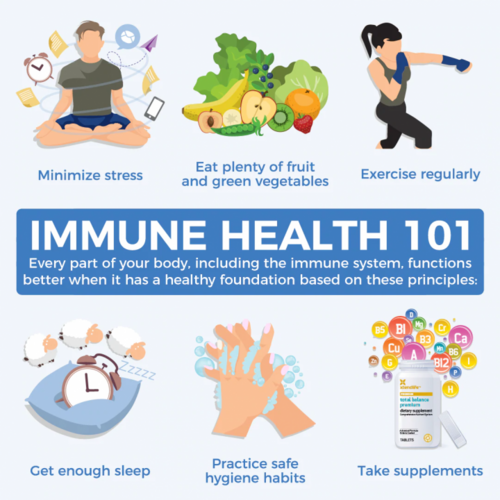
As both hemispheres enter a time of seasonal change, there a few simple steps you can follow to boost your immunity and help keep colds, flu and seasonal allergies at bay:

According to the National Institute of Health [1], dry, chilly winter air allows cold and flu viruses to survive longer and spread more easily. As the temperature gets colder, the virus’ exterior coating becomes tougher, which makes them stronger and more virulent. This explains why both the influenza virus and the rhinovirus which cause the common cold, peak during the cooler months.
Physical factors also play a role. Being outside in the cold reduces the ability of your nasal hairs and mucus to catch and stop germs coming in through your nose. Changes in temperature and barometric pressure, along with strong winds, can confuse the immune system and irritate airways, reducing your resistance to colds and infections. And of course, when it’s cold outside, we tend to spend more time indoors in close proximity to others, increasing our exposure to colds and flu.
A change of season also signals the arrival of seasonal allergens (such as pollens) which can overstimulate the immune system, triggering allergic reactions such as runny noses, congestion and itchy eyes.
During the springtime, trees, grasses and weeds emit pollens, while in fall, ragweed and moldy leaves are big allergy triggers. Conversely, as the weather drops, many of us close our windows more, so indoor dusts and animal dander/fur can contribute to allergy symptoms.
Seasonal allergies can irritate the lungs and nasal passages, making us more vulnerable to cold and flu viruses. And with the immune system already hard at work trying to manage the hay fever, it’s harder for you to fight off seasonal allergens if you do encounter them [2].
Many people often travel during the summer months, so it’s not uncommon to bring back viruses (especially if you have traveled overseas or by plane) and spread them within your network.