x




Procrastination is a habit we all have to some extent. We’d rather watch TV or chat with our friends than spend time on a daunting task that we’ve been avoiding for a while.
Procrastination may feel like laziness but it’s actually a self-defense mechanism that can be explained through neuroscience. How our brains are wired has a lot to do with why we procrastinate.[1]
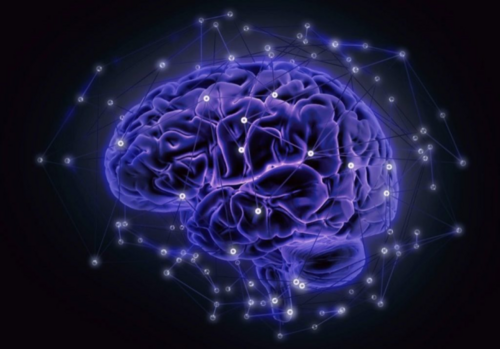
Two brain regions, the limbic system and the prefrontal cortex, play an important role in procrastination. The limbic system is your brain’s oldest and most dominant part. It is involved in actions that have to do with survival, such as:
Whereas, our prefrontal cortex is newer and less developed. It is involved in complex actions like decision-making, reasoning, and impulse control.[2]
Oftentimes when we procrastinate our limbic system is winning over our prefrontal cortex. After all, our limbic system is much older and stronger than our prefrontal cortex.[2]
Another reason we procrastinate is because of how our brains have been wired over the years. Voluntarily delaying a task leads to instant gratification and a release of dopamine, the hormone that makes us happy. Over time our brains begin to associate delaying tasks with a dopamine release. We procrastinate because it gives us happiness in the moment instead of achieving a big dopamine rush once we complete the task.[1]
We also procrastinate for the rush of adrenaline we get from having to complete a task at the last minute. The stress of an impending deadline brings about a release of adrenaline and makes us excited.
Fortunately, eliminating procrastination is within your control. A few tweaks here and there in our daily routine can reduce the likelihood of putting things off.
The thought of tackling a big project itself is daunting. Breaking down projects into smaller action items makes us more likely to actually do them. Once your task has been broken down, start off by taking on the most dreaded action item first. It’s much easier to complete a bigger task when it’s broken down into smaller chunks.
Delegating small tasks to others, or asking for help can also reduce procrastinating behavior because there are now more shoulders to carry our burden
If you’re putting off something like organizing your kitchen or working on homework, tell yourself you’ll do it for only 10 minutes. Set a timer on your phone and then begin your task. Oftentimes you will get really involved and feel the momentum by the 10-minute mark and will continue working even after the time is up.
Even the most daunting of tasks can be completed if we just convince ourselves we’re only doing it for 10 minutes.
Reframing the action makes us more likely to tackle the task instead of delaying it. Instead of thinking about how you have to work for four hours straight to get a project done, reframe your thinking. You could say, “Once I finish this project in four hours, I get to enjoy the rest of my day.”
You could reframe the task as a challenge as well. Instead of thinking about how difficult and tedious the project is, take it as a challenge. Think “I wonder if I can complete this task in half the time and with better results than I’m anticipating.
When we feel like we have to do something, we are externally motivated. It’s hard to start taking action right away when we’re relying on external motivation. Reframing your task allows you to channel internal motivation
As you check things off your to-do list, celebrate all you’ve done. It will get you more motivated to continue.
Distractions can really hamper progress. Ensuring that you’re in a distraction-free work area helps you stay on task. If you’re working on the computer, close off other tabs, and turn your phone to “do not disturb”. Even minor distractions make us lose focus.
Avoid multitasking as well, Our brains can only focus on one task at a time. The more distracted you are by other tasks, the less efficient you will be.[4]
Being in a calm environment can boost productivity. Being in a room that is well-lit, has a comfortable temperature, and is quiet can allow you to stay focused and get more done. Having greenery around you can also boost productivity.
Research has shown that taking breaks in between tasks allows us to be more productive than if we attempt to work away for hours at the end. This is because when we take a break, our brain revisits the work we were doing. If we were struggling with some aspect of it, our brain reviews it during a break. When we return to work, we’re more refreshed than before.
The reason we procrastinate is that we get a dopamine boost from doing so. An alternative to tackling this problem is to take on the task and conclude with an activity that gives a dopamine boost. For example, you can reward yourself with a healthy snack, go for a walk, or sit in the sun after the work is finished
Including actions that naturally release dopamine will give you pleasure and satisfaction in getting the task done instead of putting it off.
We’re more likely to complete a task if we have pressure from others like family or friends. Sometimes people will let their friends know they’re going on a diet so their friends can hold them accountable when they’re about to falter. Similarly, letting others know you’re about to do something will force you to take action due to positive pressure from others
If you find yourself in a cycle of procrastination where you just can’t get yourself to do something important like eat healthily or go to sleep on time, it could be a form of self-sabotage. Self-sabotage can result from childhood trauma that is unhealed and is rearing its head by preventing you from achieving your goals and living a better life.
Past trauma can become the mental dialogue that prevents us from doing something that we know will bring a positive change in our life. It’s best to address your traumas so you can rid yourself of the trauma that’s holding you back and causing cyclical procrastination. It’s difficult to deal with and resolve trauma on your own.
Your brain is the most vital organ and supports everyday things you do, including your ability to think, learn, reason, create, problem solve, imagine, decide, or plan. You should start and end every day thinking about how well you have tended to the health of your brain, whatever life stage you are in. It is just as essential to measure, monitor and maximize your brain fitness as it is to measure, monitor and maximize your physical fitness. In fact, more can be done to keep your brain healthy than any other part of your body. In the past ten years brain scientists have discovered much more about how the brain works, how to improve brain health and performance over time, and how doing so contributes to overall health and well-being. Join us in making sure your best brain years are ahead of you. Yes... We Have A Patch For That!