



x
Black Bar Banner 1
x

Alert!  New Secured Wallets are installed! new Blog system with AI  power and auto blog curation coming soon  Alert! 

A+ A−
Ads by Markethive - View All
Blogs
The Blog Feed
Write a New Blog Post
Search Blog Status
Most Viewed
Most Recent
Most Shared
Alphabetical
Blog Main Menu
Markethive Blog (default)
All Blogs
My Blog Posts
Friends' Blogs
Blog Categories
All
Advertising
Blockchain & Cryptocurrency
Business Development
Diet & Weight Loss
Environmental
Health and Wellness
History and Culture
Home and Garden
Marketing
Mentoring & Training
Money & Finance
Other
Political
Prayer & Religion
Programming & Technical
Real Estate
Search Engine Optimization
Social Media
Spirituality
Sports & Recreation
Transport
Travel & Events
Website Design
Blogging Tools & Assets
My Blog Info
Members Subscribed to You
Blogs You Are Subscribed To
Website Widget
Wordpress Plugin
Subscribe for Greater Services
Subscribe to one of many subscriptions, each one includes the previous ones.. Unlock powerful tools, advance features, to build a powerful reach.

Why do we stop eating?

Posted by Bobby Brown on April 01, 2021 - 11:00am


Once we’ve started eating, what makes us stop? This is in part influenced by satiation — the perception of fullness you get during a meal that causes you to stop eating. (Satiety is sometimes used interchangeably with satiation, but the terms aren’t the same. Satiety is your perception of satisfaction, or reduced interest in food, between meals; satiation is your perception of fullness during a meal.) When we eat a meal, two physiological factors work together to tell us to put down our fork and call it quits: gastric distension and hormonal satiation.

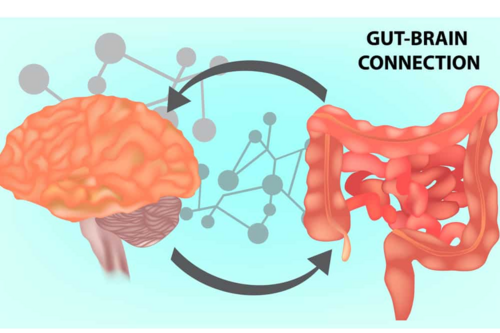
Gastric distension When empty, your stomach can only hold about 50 mL. When you eat, the stomach can expand to hold 1000 mL (1 liter), or at the extreme end, 4000 mL (4 liters or 1 gallon). Your stomach is designed to stretch and expand, aka gastric distension. Your stomach is also designed to tell your brain about how much stretching is happening. As your stomach expands to accommodate the incoming food, neurons in your stomach send this message to your brain via the vagus nerve, which runs from your head to your abdomen.


xellis spirulina











