x




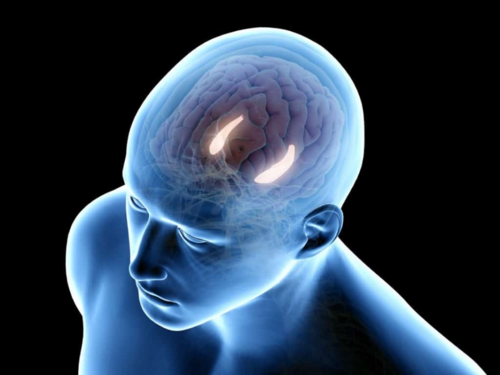
Once we’ve started eating, what makes us stop? This is in part influenced by satiation — the perception of fullness you get during a meal that causes you to stop eating. (Satiety is sometimes used interchangeably with satiation, but the terms aren’t the same. Satiety is your perception of satisfaction, or reduced interest in food, between meals; satiation is your perception of fullness during a meal.) When we eat a meal, two physiological factors work together to tell us to put down our fork and call it quits: gastric distension and hormonal satiation.
Gastric distension When empty, your stomach can only hold about 50 mL. When you eat, the stomach can expand to hold 1000 mL (1 liter), or at the extreme end, 4000 mL (4 liters or 1 gallon). Your stomach is designed to stretch and expand, aka gastric distension. Your stomach is also designed to tell your brain about how much stretching is happening. As your stomach expands to accommodate the incoming food, neurons in your stomach send this message to your brain via the vagus nerve, which runs from your head to your abdomen.
While you eat, your GI tract and related organs (like the pancreas) tell many areas of the brain that food is coming in. Some of these signals travel up the vagus nerve, while others enter the brain by different routes. Some of the more important of these hormones are: Cholecystokinin (CCK): When we eat fat and protein, the gut releases CCK, telling your brain (through the vagus nerve) to stop eating. GLP-1 and amylin: Recent research indicates that GLP-1 may be the most unique, and important, satiation hormone. It seems to stimulate the production and release of insulin (a powerful satiation/satiety hormone itself) and slow down food moving from the stomach into the small intestine, among many other impressive mechanisms.
Similarly, amylin is one of the few satiation/satiety hormones shown to actually reduce food intake. Insulin: When we eat carbs and protein, we release insulin. This tells your brain that nutrients are coming in, and eventually tells it to stop eating. Many of these hormonal messages stick around. They can tell us to eat less at later meals, too. (This is why you should think about your food choices and eating habits in the long-term — over the course of a day, a few days, or even a week. For instance, a high-protein breakfast might prevent you from overeating at dinner.)