x




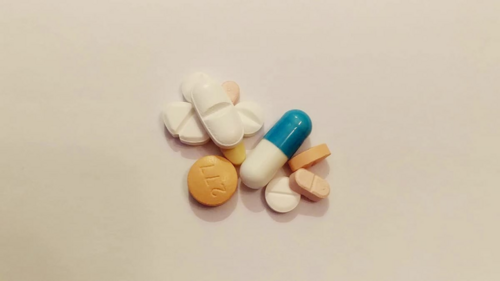
Health insurance in the United States is drastically different than most other industrialized nations. According to the Kaiser Family Foundation, nearly half of all Americans get their health insurance through their employer. This means that their insurance plan is grouped with everyone else enrolled in their employer-sponsored plan.
The premium cost (the monthly payment for the plan) depends on the overall health of the employees enrolled in the plans, and the estimated cost of the population over the course of the upcoming year. Employees may get a couple different types of plans to choose from based on their unique needs, but these are their only options.
Generally speaking, the higher the premium, the lower the out-of-pocket costs. If you can afford to pay a more expensive premium, you may not have to worry so much about the cost of your diabetes medication. It may cost between $30 and $50 per month per prescription. But if you're looking to save money on monthly premiums, you'll be left with a higher prescription cost.
The highest out-of-pocket costs are associated with high deductible health plans (HDHPs), which mandate that enrollees pay for all medical expenses before the insurer will cover any costs at all. This includes doctor's visits, hospital stays, urgent care, and prescriptions. If you have diabetes and your individual deductible is $4,000, you can expect to pay every penny of that during the year — and after you've fulfilled that deductible, you still may owe coinsurance, which is a percentage of all costs after the fact.
If you're enrolled in a HDHP and your medication costs hundreds of dollars per month, there will not be a way to decrease your prescription costs without looking at international online pharmacies. The only alternative — not adhering to your prescribed medication plan as directed by your physician — is incredibly dangerous and puts your life at risk.
.jpg)