x




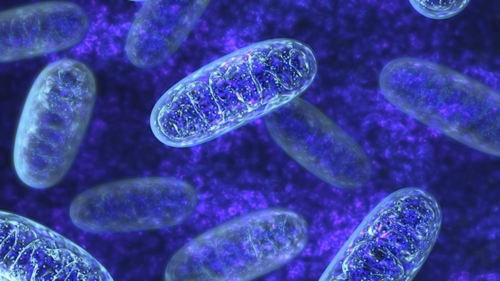
Mitochondria literally are your cell’s energy powerhouses. This is where the ‘Magic’ happens to produce ATP for the energy that powers your performance. The mitochondria not only keep your body alive but are key to your underlying health and performance.
![[VLOG] YOUR Fat Adapted Future begins with Mitochondria](https://ofm.io/wp-content/uploads/2020/03/mitochondria-1.jpg "mitochondria-1")
So, let’s frame the scenario with the mitochondria in mind. The immediate issue for the athlete is energy delivery. Second, is the type of fuel; glucose (carbs) and fat (fatty acids, ketones & even glucose via gluconeogenesis). Your mitochondria ‘knows’ how to utilize both to produce energy.
Because we’ve been “Sold & Told” into thinking we need all these external carbohydrates to fuel our training and competitions, the mainstream view tilts strongly toward carbohydrates, so much so that our body’s make a physiological shift to become dependent upon carbs for our energy. So, the obvious difference between a carb-dependent athlete versus a fat-adapted one is a carb dependant athlete is reliant on glucose an unsustainable source while the fat adapted athlete is ‘fuel-flexible’.
This is the first underlying layer for making the case for fat-adaptation; going from an unsustainable energy source to a sustainable one.
However, when we look at the underlying physiology beyond what’s immediate and in front of us (in this case, energy delivery), there are much more compelling reasons for optimizing fat metabolism in terms of performance and mitochondrial health.
On a mitochondrial level, metabolizing a lot of glucose creates a lot of oxidative stress. When this is done at serious levels, as carb-dependent endurance athletes tend to do, this can have huge long term health implications which can manifest in the following ways:
Increase in Lactate Load & Lactate Clearance
Compromising of the GI tract.
Auto-immune issues
Inflammation
Ups & downs in energy
Various Metabolic Dysfunctions / Syndromes
Cholesterol Metabolism
Adrenal stress
In the fat-adapted athlete the principal source of energy is derived from fat via beta-oxidation which is a pathway of minimal oxidative stress. The fundamental shift to fat as fuel at the level OFM athletes experience has profound effects on reducing oxidative stress on the mitochondria. This is seen in the remarkable ‘recovery’ rates OFM Athletes experience which has more to do with damage prevention than actual recovery. However, there is more, a LOT more . . .
The metabolism of fats actually help you BUILD more mitochondria as well as improve their size and density. Having more mitochondria along with larger & denser mitochondria has a dramatic impact in terms of BOTH health and performance.
The metabolism of Lipids and Lipoproteins supply the substrates for the walls and the supercomplexes in the mitochondria, from, ironically, LDL Cholesterol.
Carbohydrates do not cause mitochondrial biogenesis nor increase mitochondrial density. Carbs burn mitochondria plain and simple. Does this mean we eliminate them from our diet and fueling? Of course not! Carbs are an important energy source for competition level performance and the high level training actually necessary to optimize fat metabolism (OFM)!
And here is the underlying bonus of fat adaptation as it relates to using carbs and mitochondria…. by increasing your mitochondrial numbers, size and density you have more mitochondria to take the brunt of burning glucose for those surges into threshold and anaerobic spectrums of your energy metabolism when competing. You can actually gain a bigger and more sustainable burst of energy from the carbs because of the robust mitochondrial health from fat metabolism!
In other words, when you have the level of mitochondrial health obtained through optimizing fat metabolism you can actually use the carbohydrates strategically to get that extra performance boost you need WITHOUT the damage and long term side effects.
.png)