x




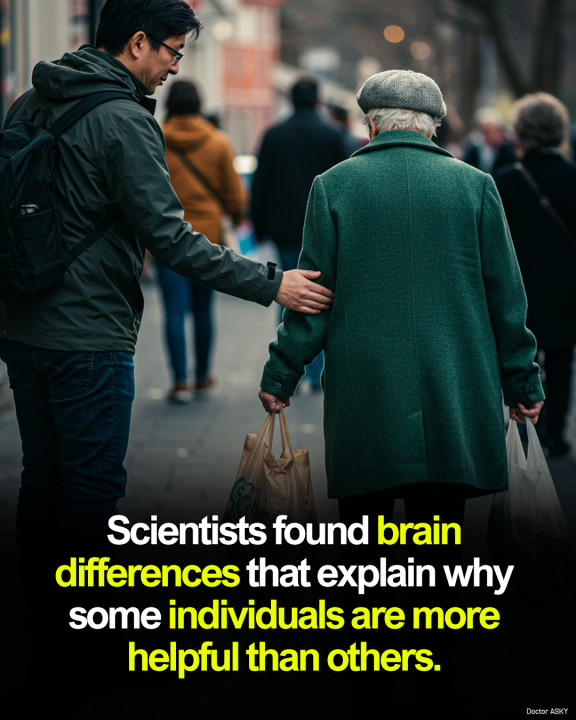
New research exploring the roots of helpful behavior suggests that some individuals may be wired to care more than others—starting deep in the brain. In a recent study using rats, scientists found that those more inclined to help their peers had increased activity in brain regions tied to empathy and motivation. These “helper” rats were more likely to free a distressed companion from a restrainer, especially if they had previously shared positive social interactions with that rat.
The brain's oxytocin system appears to play a key role. Rats that frequently helped others had more oxytocin receptors in brain areas linked to motivation. Oxytocin, often called the “bonding hormone,” is known to promote social connection. When researchers blocked oxytocin signaling, the rats became less friendly and less inclined to help, suggesting that feeling connected may be more important than simply recognizing distress.
Interestingly, the study points to the idea that prosocial behavior—acts of kindness or help—may be driven more by attachment and social bonding than just emotional empathy. In essence, rats didn’t help just because they saw another in distress, but because they felt connected to them.
These findings could help explain why humans often selectively help those they feel emotionally bonded with. The overlap between rat and human brain structures gives researchers a valuable window into understanding how empathy, motivation, and social ties influence our willingness to help others. In a time of growing social divides, this research sheds light on the biological basis of kindness.
Learn More About Brain Health Today: www.bobbybrownbiz.com