x




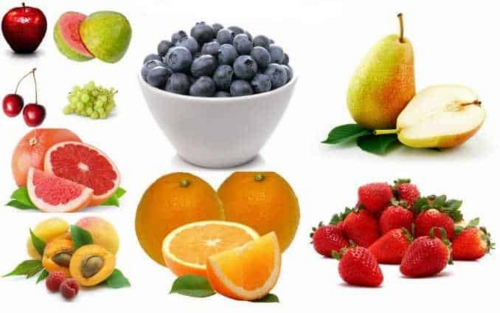
Women of all ages need vitamin A. It helps build and strengthen our teeth, bones, soft tissue, and skin, as well as reduce the risk of chronic illnesses. It improves vision, boosts the immune system and the antioxidant properties slow down the aging process. By fighting free radicals. The antioxidants in Vitamin A regulate gene regulation, facilitate with cell differentiation. It is essential for the protection of the mucous membranes of the respiratory, digestive and urinary tracts against different infections.
There are two types of Vitamin A: preformed Vitamin A and provitamin A carotenoids. The preformed type, also called retinol, is used by the body. It can be found in animal products like milk, liver, and eggs. Provitamin A carotenoids are naturally found in fruit and vegetables, that your body has to work to covert it to retinol. While Vitamin A is important for pregnant women, it’s also important to not get too much preformed vitamin A, as it can cause birth defects and liver toxicity.
The most well-known health issues that can cause a mal-absorption of vitamin A include leaky gut syndrome, autoimmune response, gluten sensitivity, inflammatory bowel disease and pancreatic disorders. People who drink too much alcohol invariably have excess toxicity which creates low vitamin A levels. They too are at a much higher risk of a vitamin deficiency.
Because it’s easy to get from your diet, Vitamin A deficiencies are quite rare, unless it’s as a result of a medical condition. There are a few signs of a deficiency, including impaired night vision and a weakened immune system. There is also a condition called xerophthalmia, which results in the cornea becoming thick and dry. Vitamin A can be found in milk, eggs, liver, yellow or orange vegetables like squash, pumpkins, and carrots. Cantaloupe, apricots, watermelon, guava, papaya, and peaches are some of the fruits that have Vitamin A.