x



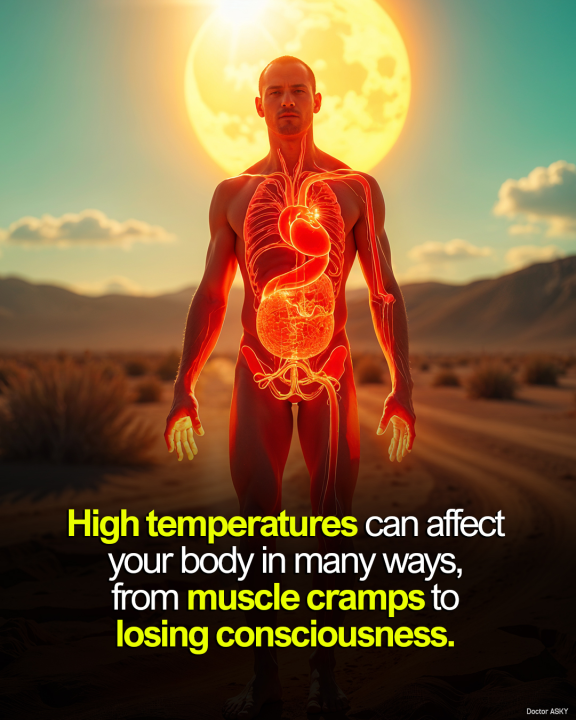
Your body is designed to stay within a narrow temperature range — around 97 to 99 degrees Fahrenheit. When your internal temperature starts rising, the brain steps in to cool things down. First, it opens your pores and makes you sweat. As sweat evaporates, your body loses heat. Second, your blood vessels expand and your heart pumps faster to push warm blood toward the skin. But when the air is humid or the temperature is too high, your body’s cooling system can’t keep up. Sweat doesn’t evaporate easily, heat gets trapped inside, and your core temperature starts climbing.
At first, you might experience muscle cramps from losing too much salt and water. If the heat continues, you could develop heat exhaustion — this includes heavy sweating, dizziness, nausea, headaches, and pale, clammy skin. It’s your body’s way of warning you that it’s in distress. If not treated, it can escalate into heat stroke — a medical emergency. This is when your body temperature shoots above 104°F and cooling mechanisms fail completely. The brain is one of the first organs affected. You may get confused, disoriented, or even lose consciousness. The skin becomes red, hot, and dry, and the pulse races. Without quick medical help, heat stroke can damage the brain, heart, kidneys, and muscles — and can be fatal.
Certain groups are more vulnerable. Older adults and people with chronic illnesses may not sense heat changes as quickly or may take medications that worsen dehydration. Children, athletes, and pets are also at high risk — they can overheat faster and may not recognize or communicate symptoms. A closed car, even for a few minutes, can become deadly.
To stay safe, avoid outdoor activity between 11 a.m. and 3 p.m. If you must go outside, wear light-colored clothes, cover your head, and drink water constantly — not just when you feel thirsty. If anyone shows signs of heat exhaustion or confusion, move them to a cool place, give them fluids, mist them with water, and call 911 if symptoms are severe. Fans help only if used with moisture — they’re not effective alone in very high heat.
Check on neighbors, elderly friends, and family. Extreme heat isn’t just uncomfortable — it can be deadly if ignored. Take Care Of Your Health www.drinkbc6.com