x




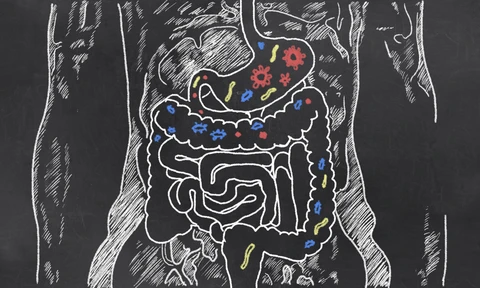
The gut microbiome, as defined by molecular biologist Joshua Lederberg, is the totality of microorganisms, bacteria, viruses, protozoa, and fungi, and their collective genetic material present in the gastrointestinal tract (GIT). Over the last several years, the gut microbiome has been linked to a persons’ overall health and wellness which has, in turn, caused people to turn their focus towards gut health and gut-healthy foods in an attempt to change their microbiome. With all emerging science and technology, there are often questions that are left open for interpretation. Here we examine the myth of the ever-changing gut microbiome.
How often does your microbiome change? One common misconception is that your gut microbiome changes every time you eat making it impossible to control your microbiome in a meaningful way. Fortunately, the microbiome stays relatively stable. In fact, by the time a child turns 3 years old, their microbiome tends to look a lot like an adult and their baseline microbiome (what we like to call their “Top Ten”) will remain relatively unchanged.

In 2012 a microbiome study conducted by researchers concluded, “that the bacteria that lives in peoples’ guts is surprisingly responsive to change in diet” We agree that the microbiome could have very well changed for the study participants. However, the technology used at the time (16s) to measure the changes in the microbiome has proven to be limited and technological advancements around Whole Genome Sequencing (WGS) have shown less variability sample to sample and day to day.
To break it down further, a 2016 study published in the scientific journal, Frontiers of Microbiome, stated that “resolving the taxonomy of 16S rRNA gene sequences can be problematic based on a limited segment of the 16S rRNA gene, such as the V4 region.
So what does this mean? It means that your microbiome doesn’t change from day to day and meal to meal, but instead the variability can be explained by the technology previously used to analysis the microbiome.
Now the question becomes what life events can impact the microbiome. The microbiome can change in response to events like illness, disease, antibiotic treatment, fever, stress, injury, and changes in diet. But the population still tends to shift back to a "baseline" state. However, major life events—like puberty, pregnancy, and menopause—can cause larger shifts. For example, puberty affects skin microbes by causing changes in skin oils. And pregnancy brings on changes in the vaginal microbiome: species start to grow that will colonize and benefit the baby as it's born.
One thing we don’t see on this list is the day to day changes of the microbiome based on the food we eat because new technologies have proven that your microbiome stays relatively stable.
.png)