x




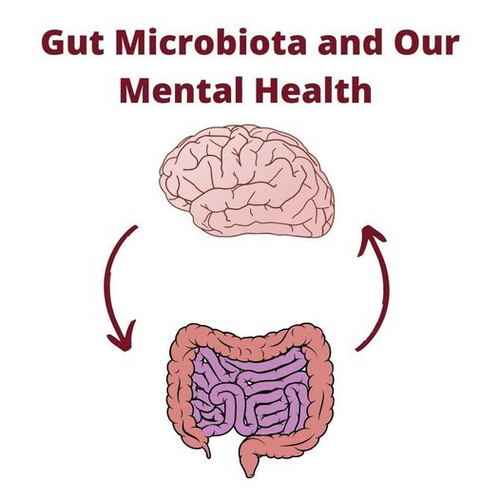

Within our guts reside a complex and dynamic population of millions of bacterial micro-organisms. These micro-organisms are collectively referred to as the gut microbiota, and they exert significant influence on our mental health, immune health, cardiovascular health, hormonal health, metabolism, body weight, and even some aspects of our behavior. The kinds and types of gut bacteria that live in our guts are influenced by a number of different factors. The most direct influence across our lifetime is our diet. In fact, your diet is responsible for more than 60% of the bacterial variation in the gut.
When there is an alteration or imbalance in the gut microbiota, known as dysbiosis, it can affect your mental state. This can occur due to illnesses, certain diets, or the prolonged use of antibiotics. This imbalance can lead to increased intestinal permeability, which can cause the microbiota to leave the gut and cross into blood circulation. This is commonly known as “leaky gut”. This can create further inflammation in the body as these inflammatory metabolites are circulated, eventually contributing to inflammation in the brain, called “neuroinflammation.” Increased intestinal permeability can lead to negative effects, such as inflammatory bowel disease and psychiatric disorders, including depression and anxiety.