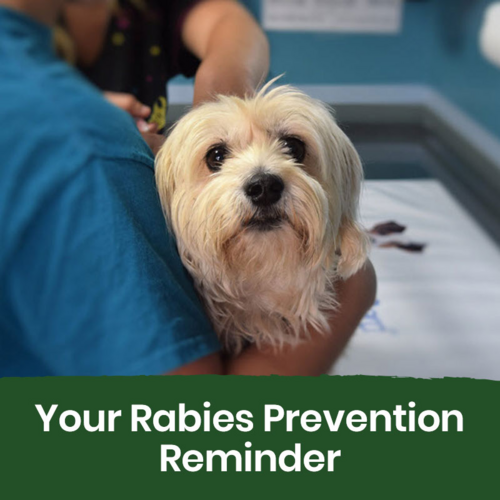
Of all the diseases that pets can get, rabies is one of the most frightening. Why does rabies still make us shake in our scrubs after years and year of being in practice? First, there is no cure for rabies. Second, it is mostly carried by wild animals--there is no way to vaccinate or ensure that wild animals are rabies-free. Third, an animal can be infected with rabies and show no symptoms for weeks. Scary, right?
What You Need To Know About Rabies
- Rabies is a viral disease that attacks the brain and central nervous system of warm-blooded animals.
- Humans can contract rabies, but it is rare.
- Pets can contract rabies from wild animals by getting bit or scratched.
- Raccoons are the most common creature to contract and carry rabies. Mice, skunks, bats, and foxes are also common carriers.
- Between 400 and 500 domestic pets contract rabies each year.
- Rabies often has an incubation period of three weeks to two months.
Symptoms Of Rabies
While the symptoms can appear gradually, it’s important to recognize them to keep your pet safe.
- Behavior changes. An infected pet will often become more aggressive, nervous, or friendly than usual.
- Rabies causes animals to become extremely sensitive to sounds and lights.
- Animals with rabies salivate a lot and lose their ability to swallow.
How Can You Protect Your Pet From Contracting Rabies?
You’re probably a bit nervous about this contagious and frightening disease. Don’t worry. There are ways you can protect your pet from becoming a victim of rabies.
- The most important precaution is to vaccinate your dog or cat and keep their vaccinations current. If your dog or cat gets bit by an infected animal, this vaccination prevents your pet from contracting the virus.
- If your pet does get bit by a wild animal or a stray dog or cat, bring them in immediately. We can give them a booster to further protect them and monitor their health.
- Never approach or try to catch a wild animal. Beware of overly friendly wild animals or nocturnal animals that are out during the day.
- If you come across an injured animal, it may be your first instinct to try to help. This shows you have a big heart, but helping the animal can put you at risk of getting bit. Call Animal Control Services instead.
- Never let your dog or cat chase wildlife or play outdoors unsupervised.
- When it comes to dead wildlife, stay clear. Don’t let your dog or cat eat, sniff, or investigate roadkill or animal carcasses.
So, as you’re enjoying a picnic with your pup or the sunset with your cat, keep an eye out for wildlife. If you can keep your cat contained in your yard, try your best to do that. To make the most of the summer sun with peace of mind, make sure your pet is up-to-date on her vaccines. Don’t let the worry of rabies ruins your summer fun.