x



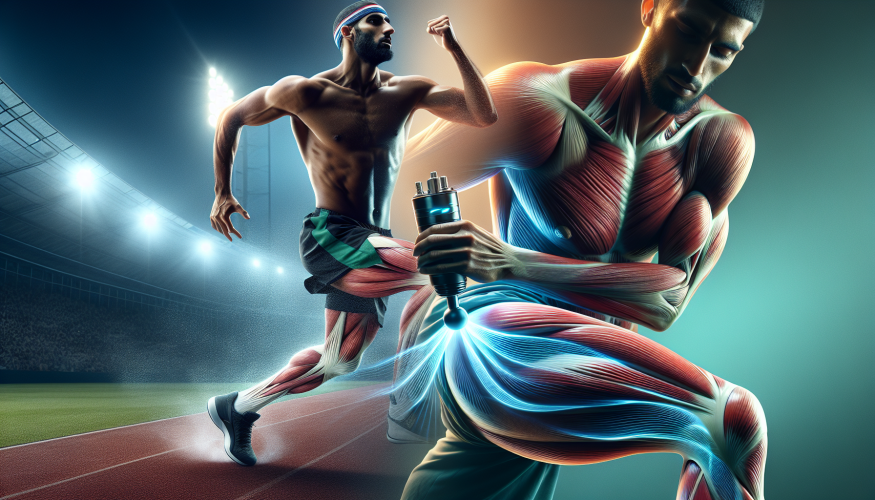
We've all seen athletes using those handheld devices that look like power tools, but what's the buzz about? Massage guns have taken the sports world by storm, becoming a go-to recovery tool for professionals and amateurs alike. These deep tissue massagers are more than just a fad; they're changing the game when it comes to muscle recovery and performance enhancement. As someone who's experienced the benefits firsthand, I can tell you that massage guns are worth the hype.
In this article, we'll explore why athletes swear by massage guns and how they're revolutionizing athletic recovery. We'll dive into the science behind percussive therapy, compare massage guns to traditional massage techniques, and discuss how these devices can help address common athletic issues. We'll also cover how to choose and use a massage gun effectively to optimize your performance and recovery. Whether you're a weekend warrior or a seasoned pro, understanding the potential of massage guns could be a game-changer for your athletic journey.
3 recommended Massage Guns:
Ellefor Deep Tissue Massage Gun
Theragun Deep Tissue Massage Gun Therapy
Percussive therapy is a revolutionary approach to muscle recovery and performance enhancement that I've seen transform the way athletes care for their bodies. At its core, it's a form of deep tissue massage that uses rapid, repetitive pressure to target specific muscle groups. The key difference from traditional massage techniques lies in its intensity and precision.
When I use a massage gun, I'm essentially bombarding my muscles with high-intensity stimuli. This process is similar to what happens when you bump your elbow and instinctively rub it to ease the pain. The rapid pulses from the massage gun – often 40 or more per second – create a unique sensation that goes beyond what human hands can achieve.
The mechanism behind percussive therapy is fascinating. It combines vibration with intense, repetitive pressure, much like the tapotement technique in Swedish massage. However, massage guns take this to a whole new level. They deliver bursts of pressure deep into the muscle tissue, which has the potential to improve blood flow, reduce muscle tension, and enhance range of motion.
The journey of percussive therapy is a testament to human innovation in the field of sports recovery. While the concept has roots dating back to the 1800s, it's the modern massage gun that's revolutionized the industry.
The first electronic percussive massager, known as the Vibrotoner, was patented in 1974. Initially designed for chiropractors, it quickly gained popularity among physical and sports therapists. However, these early devices were bulky and not practical for personal use.
Fast forward to 2008, and we see the birth of the modern massage gun. Jason Werseland, an LA-based chiropractor, invented this game-changing device after suffering from a herniated disk. His goal was to combine recovery and ease of use in one portable tool. This invention marked a turning point, making professional-grade percussive therapy accessible to athletes and fitness enthusiasts alike.
As an athlete myself, I can attest to the numerous benefits of percussive therapy. One of the most significant advantages is its ability to reduce delayed onset muscle soreness (DOMS). A 2014 study showed that vibration therapy is effective in preventing and managing DOMS, which is crucial for maintaining consistent training schedules.
Moreover, massage guns have demonstrated the ability to improve muscle mass and strength, especially in older adults. This is particularly valuable for athletes looking to maintain peak performance as they age. The therapy also enhances muscle endurance, increases power, and improves kinesthetic awareness – all vital components of athletic performance.
I've found that using a massage gun before a workout can be an excellent warm-up tool. It increases muscle temperature, which in turn improves pliability and flexibility. This not only accelerates the warm-up process but also contributes to reduced injury risk.
Post-workout, percussive therapy helps dispel excess lactic acid into the circulatory system, potentially reducing the DOMS that might occur later. It also aids in pushing out waste, improving blood circulation, and releasing tension, which all contribute to faster recovery and improved tissue metabolism.
As an athlete who's experienced the benefits of massage guns firsthand, I'm excited to share the fascinating physiological effects these devices have on our bodies. The impact of these tools goes far beyond just feeling good – they're causing real, measurable changes in our muscles, nervous system, and circulation.
When I use a massage gun on my muscles, I'm not just giving them a nice rub – I'm initiating a cascade of physiological responses. The deep vibrations delivered by devices like the MyoPro or MyoLite have a profound effect on muscle tissue. These vibrations help to relax tight, sore muscles by targeting trigger points and lengthening the muscle fibers. This process has the potential to dissipate lactic acid buildup, which is often responsible for that post-workout soreness we all dread.
One of the most interesting effects I've noticed is how massage guns can improve muscle flexibility and mobility. By increasing blood flow to the targeted areas, these devices help to clear away waste products and release tension in the muscles. This improved tissue metabolism contributes to healthier, more pliable muscles.
The effects of massage guns on our nervous system are equally impressive. When I apply the device to my muscles, it's not just a mechanical process – there's a complex neurological response happening beneath the surface. The rapid pulses from the massage gun – often 40 or more per second – create a unique sensation that goes beyond what human hands can achieve.
These vibrations stimulate various mechanoreceptors in our skin and muscles, including Merkel receptors, Meissner corpuscles, Ruffini cylinders, and Vater-Pacinian corpuscles. This stimulation has the potential to interrupt neurological pain frequencies, effectively reducing our perception of pain. It's like the massage gun is "distracting" our nervous system from sending pain signals.
Moreover, the use of a massage gun before a workout can help to "wake up" our muscles, increasing our range of motion and potentially reducing the risk of injury. This pre-workout application has the potential to enhance our overall athletic performance by priming our nervous system for action.
Perhaps one of the most significant physiological effects of massage guns is their impact on our circulatory system. When I use a massage gun, I'm not just working on my muscles – I'm giving my blood flow a boost too. The vibrations and pressure from the device have the potential to improve both blood and lymphatic circulation.
This enhanced circulation has several knock-on effects. Firstly, it helps to deliver more oxygen and nutrients to our muscles, which is crucial for repair and growth. Secondly, it aids in reducing inflammation and pain by helping to flush out inflammatory markers and waste products.
Interestingly, research has shown that the shear stress created by vibration may alter the levels of nitric oxide, acetylcholine, and prostaglandin in our bodies. These changes can result in increased blood flow, creating an environment that's conducive to enhanced performance and faster recovery.
The duration and frequency of massage gun application seem to play a role in these circulatory benefits. Studies have shown that higher frequencies and longer durations can lead to more significant improvements in blood flow volume. For instance, using a massage gun at 47 Hz for 10 minutes has been found to increase blood flow volume by up to 47%.
In conclusion, the physiological effects of massage guns are far-reaching and complex, impacting our muscle tissue, nervous system, and circulatory system in profound ways. As athletes, understanding these effects can help us to use these tools more effectively, optimizing our performance and recovery.
As an athlete who's experienced both massage guns and traditional massages, I can tell you that the debate between these two forms of therapy has grown to epic proportions in the fitness industry. Both have their unique benefits for relieving muscle tension, reducing pain, and improving mobility. Let's dive into the key differences to help you decide which option might be best for your needs.
When it comes to effectiveness, I've found that it really depends on your specific goals. If I'm looking for a quick and simple solution to reduce tightness and stress in my muscles, a massage gun is often my go-to choice. I can easily target particular body parts that need attention right at home.
On the other hand, if I'm searching for a more comprehensive approach to healing, a traditional massage from a licensed professional therapist might be the better option. These experts can manipulate the body's soft tissue using a variety of techniques, which helps with tension relief, stress reduction, and improved circulation.
Massage guns have some unique advantages. They can reach deeper into muscle tissue than typical vibration massagers, which can be particularly effective for relieving pain and improving range of motion. I've noticed that using a massage gun before a workout can help "wake up" my muscles, increasing my range of motion and potentially reducing the risk of injury.
One of the biggest differences I've noticed between massage guns and traditional massages is the convenience factor. With a massage gun, I have the flexibility to use it whenever and wherever I want. They're lightweight and portable, making them perfect for use at home or on the go.
Traditional massages, while incredibly relaxing, require more planning. I need to schedule an appointment, travel to a spa or therapist's office, and set aside time for the entire process - including getting undressed and dressed again. This can be quite time-consuming, especially if I'm on a tight schedule.
Massage guns also offer more customization. I can choose from multiple detachable heads to target different areas of my body. For example, I might use a "bullet" attachment for a specific trigger point in my shoulder, or a "fork" attachment for larger muscle groups like my calves or hamstrings.
When it comes to cost, there's a significant difference between massage guns and traditional massages. A massage gun is an initial investment that can save money over time. While prices vary depending on the model and brand, once I've purchased a massage gun, I can use it as often as I like without additional costs.
Traditional massages, on the other hand, can get pricey, especially if I opt for deep tissue massages or need frequent visits. A single one-hour session can cost around $100, and if I need weekly or even monthly massages, the costs can add up quickly. There are also additional expenses to consider, like transportation and parking fees if the massage therapist's office is far from home.
However, it's important to note that while massage guns are cost-effective, they can't fully replace the personalized experience and deeper relaxation that comes with a professional massage. A skilled therapist can provide a level of attention and care that a machine simply can't replicate.
In conclusion, both massage guns and traditional massages have their place in an athlete's recovery toolkit. The choice between the two often comes down to individual needs, preferences, and circumstances. Personally, I find that a combination of both works best for me, using my massage gun for quick, targeted relief and scheduling professional massages for a more comprehensive, relaxing experience.
As an athlete, I've found that optimizing recovery is crucial for maintaining peak performance. Massage guns have become an integral part of my recovery routine, offering a range of benefits that help me bounce back faster and stronger after intense workouts.
One of the most significant advantages I've experienced with massage guns is their ability to reduce recovery time. These devices work by bombarding the sensory pathway with high-intensity stimuli, similar to how we instinctively rub our elbow when we bump it. This action has the potential to decrease muscle tension and improve flexibility.
I've noticed that using a massage gun within 48 hours after a workout is particularly effective in reducing soreness and speeding up recovery. The percussive therapy helps dispel excess lactic acid into the circulatory system, which can prevent delayed onset muscle soreness (DOMS) later on.
Massage guns have been a game-changer in alleviating muscle fatigue. I use them both before and after workouts to maximize their benefits. Before exercising, I spend 1-2 minutes massaging each muscle group I plan to target, plus 30 seconds on supporting muscle groups. This pre-workout routine increases blood flow and prepares my muscles for the upcoming exertion.
Post-workout, I use the massage gun to help my body transition from a heightened state to a restful one. The percussion therapy maintains strong blood circulation, providing oxygen and necessary nutrients to fatigued muscles. This process helps break down lactic acid and reduce inflammatory factors that cause muscle inflammation, ultimately alleviating post-workout soreness.
For DOMS, which typically hits me one or two days after a tough session, I've found relief by using the massage gun on lower settings and gradually adjusting the speed to a comfortable level. I focus on each sore area for 1-2 minutes, being careful not to cause additional pain.
Perhaps one of the most surprising benefits I've discovered is how massage guns can enhance sleep quality. By incorporating a massage gun into my nightly routine, I've experienced improved relaxation and better sleep.
I follow a 6-minute massage protocol, targeting areas prone to built-up tension like my neck, lower back, forearms, quads, shins, and feet. This whole-body routine maximizes relaxation effects and increases circulation, helping with thermoregulation as my body cools down for the night.
The results have been impressive. I've noticed that I fall asleep faster, have fewer sleep disruptions, and wake up feeling more refreshed. The reduced pain and tension, particularly in my neck, trapezoids, and lower back, have contributed to decreased anxiety and stress levels.
It's important to note that while massage guns are incredibly beneficial, they should be used responsibly. I always start with lower settings and gradually adjust to the appropriate intensity. I limit my sessions to no more than 15 minutes at a time and avoid spending more than 2 minutes per muscle group to prevent overuse and potential injury.
By incorporating massage guns into my recovery routine, I've optimized my athletic performance, reduced recovery time, alleviated muscle fatigue, and enhanced my sleep quality. These devices have truly revolutionized my approach to recovery, allowing me to train harder and bounce back faster.
I've discovered that massage guns are not just for recovery; they're also powerful tools for enhancing athletic performance. Let's explore how these devices can improve muscle activation, increase power output, and enhance flexibility and range of motion.
One of the key benefits I've experienced with massage guns is their ability to improve muscle activation. Before a workout, I use my massage gun to "wake up" my muscles and prime them for action. This process helps increase blood flow and prepares my muscles for the upcoming exertion.
I typically spend about 30 to 60 seconds massaging each muscle group I plan to target during my workout. This pre-exercise routine has helped me achieve better muscle engagement and improved motor control during my training sessions.
While massage guns are most commonly used after workouts, I've found that incorporating them into my pre-workout routine can significantly boost my power output. By using the massage gun before exercise, I've noticed an increase in my muscles' readiness and responsiveness.
However, it's important to note that the effects of massage guns on strength and explosive activities are still debated. Some studies have shown no improvements or even slight decreases in performance for strength, balance, acceleration, agility, and explosive activities. Despite this, I've personally experienced benefits in terms of muscle endurance and kinesthetic awareness.
One of the most significant performance enhancements I've noticed from using massage guns is the improvement in my flexibility and range of motion. These devices have been particularly effective in improving the flexibility of my iliopsoas, hamstrings, triceps surae, and posterior chain muscles.
Here's how I use my massage gun to enhance flexibility:
I've found that using the massage gun while stretching can help improve the depth of my stretch, potentially leading to improved muscle and joint flexibility. This enhanced flexibility has contributed to better overall performance in my training and competitions.
By incorporating massage guns into my performance enhancement routine, I've experienced improved muscle activation, increased power output (to some extent), and enhanced flexibility and range of motion. These benefits have allowed me to train more consistently and perform better in my athletic endeavors. However, it's important to remember that while massage guns can be highly effective, they should be used responsibly and in conjunction with proper training and recovery techniques.
As an athlete, I've encountered various challenges that can hinder performance and recovery. Massage guns have proven to be invaluable tools in addressing these issues. Let's explore how these devices can help with some common athletic problems.
Muscle knots, or myofascial trigger points, are a frequent issue for athletes. These tight, contracted muscle fibers can cause discomfort and limit range of motion. I've found that massage guns are particularly effective in treating these knots.
The percussive therapy delivered by massage guns helps break up these tight fibers and relax the surrounding muscles. When I use my massage gun on a muscle knot, I start with a low intensity and gradually increase it. I focus on the area around the knot, holding the device firmly against the muscle and moving it slowly across the affected area.
The rapid, high-frequency vibrations penetrate deep into the muscle tissue, increasing blood flow to the area. This enhanced circulation helps deliver oxygen and nutrients to the affected muscles while removing waste products and toxins. As a result, I've experienced significant reductions in pain and discomfort.
For athletes dealing with chronic conditions like arthritis or osteoporosis, massage guns can be a game-changer. I've found that regular use of these devices has helped me manage pain and improve mobility.
When using a massage gun for chronic pain, I target the affected areas with short, focused sessions. The percussive therapy stimulates the muscles and soft tissues, which can help reduce inflammation and alleviate pain. For arthritis, I've noticed improved joint flexibility after using the massage gun on the surrounding muscles.
One of the most significant benefits I've experienced is the reduced reliance on pain medication. The non-invasive nature of massage guns provides a natural approach to pain management, which I find particularly appealing as an athlete concerned about long-term health.
Injury rehabilitation is a crucial aspect of an athlete's journey, and massage guns have proven to be valuable tools in this process. I've used these devices to support my recovery from various injuries, and the results have been impressive.
When using a massage gun for injury rehabilitation, I always consult with my healthcare professional first to ensure it's safe for my specific condition. Once cleared, I incorporate the massage gun into my recovery routine, focusing on the areas surrounding the injury to improve blood flow and reduce tension in the adjacent muscles.
The percussive therapy helps break down scar tissue and adhesions, which can improve range of motion and flexibility. I've found this particularly beneficial when recovering from muscle strains or ligament sprains.
Moreover, the increased blood flow promoted by massage guns aids in tissue repair and reduces inflammation. This has helped me recover faster and return to training sooner than expected in many cases.
It's important to note that while massage guns are incredibly useful, they should be used responsibly. I always start with lower settings and gradually increase intensity as needed. I limit my sessions to no more than 15 minutes at a time and avoid spending more than 2 minutes per muscle group to prevent overuse.
By incorporating massage guns into my routine for addressing these common athletic issues, I've experienced improved recovery times, better pain management, and more efficient injury rehabilitation. These devices have become an essential part of my athletic toolkit, helping me maintain peak performance and overall well-being.
When I'm looking for a massage gun, I focus on features that cater to my athletic needs. I've found that the most important aspects are power, battery life, and versatility. A good massage gun should have multiple speed settings and attachments to target different muscle groups effectively. I always check for a device with a long battery life, as it's frustrating to have it die mid-session. The weight and ergonomics are also crucial – I want something I can comfortably hold for extended periods.
I've learned that using a massage gun correctly is key to reaping its benefits. Here's how I approach it:
I've found that incorporating circular motions helps release tightness and promote blood flow. I also combine massage gun use with stretching for better flexibility and reduced muscle tightness.
Safety is paramount when using a massage gun. Here are some crucial points I always keep in mind:
It's important to note that massage guns aren't suitable for everyone. I always recommend consulting a healthcare professional before using one, especially if you have chronic conditions like diabetes, osteoporosis, or blood clotting disorders.
By following these guidelines, I've found that massage guns can be a game-changer for my athletic performance and recovery. They've helped me improve muscle endurance, increase power, and enhance my kinesthetic awareness. However, I always remember that they're a tool to complement my training and recovery routine, not a substitute for professional medical care.
Massage guns have truly revolutionized athletic recovery and performance enhancement. These handheld devices offer a range of benefits, from reducing muscle soreness and fatigue to improving flexibility and range of motion. Their ability to target specific muscle groups with precision and convenience has made them an essential tool for athletes at all levels. The physiological effects on muscle tissue, nervous system response, and circulatory benefits contribute to faster recovery times and enhanced athletic performance.
While massage guns can't fully replace traditional massages, they provide a cost-effective and convenient option for daily muscle maintenance and recovery. Their versatility in addressing common athletic issues like muscle knots, chronic pain, and injury rehabilitation makes them a valuable addition to any athlete's toolkit. For those looking to optimize their recovery and boost performance, incorporating a massage gun into their routine could be a game-changer. Buy it here to experience the benefits firsthand. Remember, as with any fitness tool, it's crucial to use massage guns responsibly and in conjunction with proper training and recovery techniques for the best results.
1. How do massage guns assist athletes in their recovery?
Massage guns are beneficial for athletes primarily in their recovery process. According to Bungay, they enhance the range of movement, alleviate sore muscles, and break up trigger points. This is particularly useful for athletes who undergo multiple training sessions in a day or consistently throughout the week, aiding in short-term recovery.
2. What function does a sports massage gun serve?
A sports massage gun utilizes rapid pulses, known as percussive therapy, to stimulate the muscles. This action increases metabolic activity within the muscles, raises their temperature, and enhances blood flow. Additionally, it is known to decrease muscle stiffness, which contributes to greater flexibility.
3. What are the overall benefits of using a massage gun?
Using a massage gun can improve short-term range of motion and flexibility, and it is helpful in recovery-related outcomes. However, it is not recommended for use in enhancing strength, balance, acceleration, agility, or explosive activities.
4. Is there scientific support for the effectiveness of massage guns?
Yes, there is both anecdotal and scientific evidence supporting the effectiveness of massage guns. Recent research, including a study from 2023, indicates that massage guns can alleviate delayed onset muscle soreness (DOMS), reduce stiffness, and enhance both range of motion and flexibility.
As an Amazon Associate, I earn from qualifying purchases. This article contains Amazon links.