x



binoculars## The history of binoculars
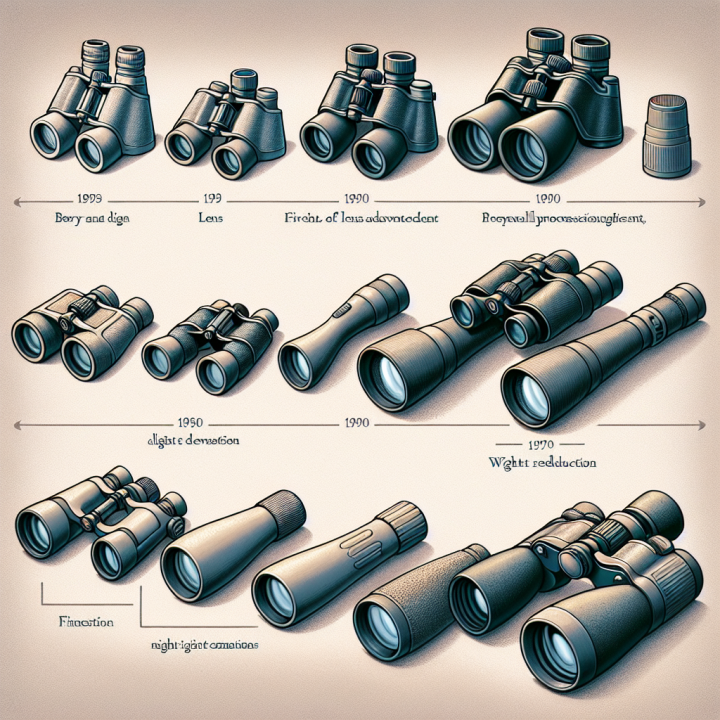
Binoculars have been an integral part of human exploration and observation for centuries. Their origins can be traced back to the early 17th century when Hans Lippershey, a Dutch spectacle maker, is credited with inventing the first refracting binocular telescope. This groundbreaking invention paved the way for a new era of optical instruments that would revolutionize the way we perceive and interact with the world around us.
In the years that followed, binoculars underwent a series of refinements and improvements. Galileo Galilei, the renowned Italian astronomer, made significant contributions to the development of binoculars by introducing a more powerful design with improved magnification capabilities. This allowed for more detailed observations of celestial bodies and sparked a newfound interest in astronomy.
As the demand for binoculars grew, so did the need for more advanced manufacturing techniques. The introduction of achromatic lenses, which corrected chromatic aberration (color fringing), marked a significant milestone in binocular design. This innovation, coupled with the use of more durable materials, led to the production of binoculars that were not only more powerful but also more robust and reliable.
At the heart of binocular technology lies the principle of binocular vision, which is the ability to perceive depth and three-dimensionality by combining the slightly different images received by each eye. This phenomenon, known as stereopsis, is made possible by the horizontal separation between our eyes, creating a slight disparity in the images they receive.
Binoculars are designed to mimic this natural process by incorporating two separate optical systems, one for each eye. Each system consists of an objective lens, which gathers light, and an eyepiece lens, which magnifies the image and presents it to the eye. The two optical systems are carefully aligned to ensure that the images from both eyes are fused together, creating a single, three-dimensional image.
One of the key factors that determine the performance of binoculars is their magnification power, which is expressed as a ratio (e.g., 8x or 10x). This number indicates how much larger an object will appear through the binoculars compared to the naked eye. Higher magnification powers generally provide a more detailed view but can also result in a narrower field of view and increased image shakiness.
While binoculars are designed to provide a three-dimensional viewing experience, monoculars offer a single-eye observation alternative. Monoculars consist of a single optical system, similar to a telescope, and are typically more compact and lightweight than binoculars.
One of the primary advantages of monoculars is their portability and ease of use. They can be easily carried in a pocket or attached to a lanyard, making them ideal for activities where mobility is essential. However, monoculars lack the depth perception and immersive experience provided by binoculars, as they rely on a single image input.
Binoculars, on the other hand, excel in providing a more natural and realistic viewing experience. The binocular cues they provide, such as stereopsis and convergence, aid in depth perception and allow for a more accurate assessment of distances and spatial relationships. This makes binoculars particularly useful for activities like birdwatching, hunting, and outdoor exploration, where accurate depth perception is crucial.
Binocular cues play a vital role in our ability to perceive depth and three-dimensionality. These cues are the result of the slightly different images received by each eye, which our brain processes and combines to create a single, three-dimensional representation of the world around us.
One of the most significant binocular cues is stereopsis, or binocular disparity. This cue arises from the horizontal separation between our eyes, which causes each eye to receive a slightly different image. Our brain then processes these disparities and uses them to calculate the relative distances of objects, creating a sense of depth and three-dimensionality.
Another important binocular cue is convergence, which refers to the inward rotation of our eyes when focusing on nearby objects. This cue provides our brain with information about the distance of the object we are viewing, further enhancing our depth perception.
Binocular cues are not only essential for depth perception but also play a crucial role in various activities and professions. For example, surgeons rely on binocular cues to accurately assess the depth and spatial relationships within the surgical field, ensuring precise and safe procedures. Similarly, pilots and air traffic controllers depend on binocular cues to judge distances and maintain situational awareness during flight operations.
Binoculars come in a wide range of designs and configurations, each tailored to specific applications and user preferences. Here are some of the most common types of binoculars:
When it comes to purchasing binoculars, there are several factors to consider to ensure you choose the right pair for your needs:
When it comes to binoculars, there are several reputable brands that have earned a reputation for quality and performance. One such brand is Nikon, a name synonymous with excellence in the world of optics.
Nikon has a rich history in the development of binoculars, dating back to the early 20th century. Their commitment to innovation and cutting-edge technology has resulted in a wide range of binoculars that cater to various needs and budgets.
One of Nikon's flagship binocular series is the Monarch line, which offers exceptional optical performance and durability. The Monarch HG (High Grade) binoculars, for instance, feature extra-low dispersion (ED) glass and dielectric high-reflective multilayer prism coatings, ensuring bright and clear images with minimal color fringing.
For those seeking a more compact and lightweight option, Nikon's Prostaff series is an excellent choice. These binoculars are designed with portability in mind, making them ideal for outdoor activities like hiking and birdwatching.
In addition to their consumer-grade binoculars, Nikon also offers professional-level instruments for specialized applications. The Nikon Laser Force binoculars, for example, incorporate advanced laser rangefinding technology, making them invaluable tools for hunters, surveyors, and military professionals.
While Nikon is undoubtedly a leader in the binocular market, there are several other reputable brands worth considering, such as Leica, Zeiss, Swarovski, and Bushnell. Each brand offers its own unique strengths and specialties, catering to different user preferences and budgets.
Binoculars are versatile tools that can enhance a wide range of activities, from birdwatching and stargazing to hunting and sports events. However, not all binoculars are created equal, and choosing the right pair for your specific activity can make a significant difference in your overall experience.
Remember, while these recommendations can serve as a guide, it's essential to consider your specific needs, budget, and personal preferences when choosing the best binoculars for your desired activity.
Binoculars are precision optical instruments, and proper care is essential to ensure their longevity and optimal performance. Here are some tips to help you maintain your binoculars in top condition:
By following these simple care and maintenance tips, you can ensure that your binoculars continue to provide exceptional performance and enjoyment for years to come.
As technology continues to advance, the future of binoculars looks brighter than ever. Innovative developments in optical engineering, materials science, and image processing are paving the way for binoculars that offer unprecedented performance and functionality.
One exciting area of development is the integration of digital technology into binoculars. We may soon see binoculars with built-in cameras, allowing users to capture and share their experiences with ease. Additionally, advanced image stabilization and low-light capabilities could further enhance the viewing experience, making binoculars even more versatile and valuable tools for outdoor enthusiasts.
Furthermore, the rise of augmented reality (AR) and virtual reality (VR) technologies could potentially revolutionize the way we use binoculars. Imagine being able to overlay digital information, such as bird species identification or celestial object data, directly onto your binocular view, enhancing the overall educational and exploratory experience.
As our understanding of the natural world deepens and our appreciation for outdoor activities grows, binoculars will continue to play a vital role in bringing us closer to the wonders that surround us. Whether you're a birdwatcher, stargazer, or simply someone who enjoys the great outdoors, investing in a quality pair of binoculars can open up a whole new world of discovery and exploration.
If you're in the market for a new pair of binoculars, we invite you to explore our extensive selection at [Your Company Name]. Our knowledgeable staff is dedicated to helping you find the perfect binoculars to suit your specific needs and budget. Visit us in-store or online today to elevate your outdoor adventures and unlock the brilliance of the world around you.