x




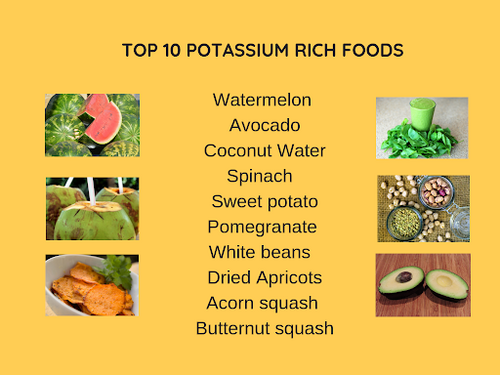
Identifying potential risk factors and causes for a deficiency of potassium in the body is vital for better addressing the condition, and may also be helpful in preventing the development of hypokalaemia symptoms. The most obvious cause of a potassium deficiency would be a lack of this electrolyte in an affected individual’s daily diet. When this is the cause, the treatment approach to restoring optimal potassium levels is simple – the individual simply needs to increase their intake of
Foods that are high in potassium.
There are, however, other possible causes of low potassium levels in the body, which also need to be addressed here. It should be noted that, in most cases where a patient suffers from potassium levels that are low enough to diagnose them with hypokalaemia, the cause behind the condition is not related to their daily dietary intake of potassium, but can rather be pointed to a different cause. Excessive use of laxatives to promote stool movements, and frequently suffering from diarrhea, are two potential causes of a potassium deficiency. Other issues with the gastrointestinal tract that may contribute to poor potassium levels in the body include vomiting, villous adenoma and an ileostomy.
In some cases, the cause of low potassium levels may lie with the kidneys. Renal tubular acidosis, low magnesium levels in the body, and high levels of aldosterone in the body are all possible causes that are related to kidney function. Some conditions, such as Cushing’s Syndrome, may cause corticosteroid levels in the body to become elevated; thus also contributing to a reduction in potassium levels.
We should also note that potassium deficiencies can sometimes be blamed on the use of certain medication. Furosemide, hydrochlorothiazide and other diuretic medication are known to increase the risk of developing a potassium deficiency.
The use of prednisone and similar medications can cause corticosteroids in the body to increase, which also increases the risk of losing too much potassium. Other medications that may also contribute to poor potassium levels in the body include Amphotericin B and Aminoglycosides, such as tobramycin and gentamicin.
Foods High In Potassium
When symptoms of potassium deficiency develop, it is important to act appropriately. The faster a treatment protocol is put into place, the lower the risk of developing complications due to a potassium deficiency. Blood tests can assist with identifying hypokalaemia by determining current levels of potassium in a patient’s blood circulatory system and comparing the test results to what is considered normal levels of the electrolyte. Individuals experiencing symptoms associated with this condition should increase their intake of foods that are rich in potassium, which will help to increase potassium levels in their body and help alleviate their symptoms.
Bananas are probably the most popular food associated with potassium. One large banana contains approximately 487 milligrams of potassium; thus delivering 14% of the daily recommended potassium intake. Bananas, however, are not the only type of food that is rich in potassium. Other sources of potassium include:
Avocado (1,067 milligrams of potassium in one whole avocado)
Acorn squash (896 milligrams of potassium per one cup acorn squash)
Sweet potato (855 milligrams of potassium per large sweet potato)
Spinach (839 milligrams of potassium in one cup cooked spinach)
Wild-caught salmon (772 milligrams of potassium per half fillet)
Pomegranate (667 milligrams per pomegranate)
Coconut water (600 milligrams of potassium per one cup coconut water)
White beans (502 milligrams of potassium per half cup white beans)
Posted by : By Dr. Okoye