x




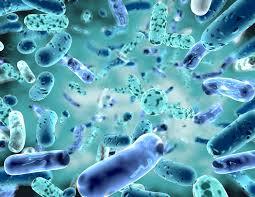
Are you taking a probiotic but can’t stop the bloating, gas and tummy trouble? There’s a reason: Probiotics don’t address 90% of gut health and the complex system that lies below the surface.
This system includes the gut microbiome and surface area, and the underlying gut metabolism, barrier function, and 80 percent of your immune system.
Probiotics
Probiotics are made of good live bacteria and/or yeasts that naturally live in your body. You constantly have both good and bad bacteria in your body. When you get an infection, there’s more bad bacteria, knocking your system out of balance.
Good bacteria helps eliminate extra bad bacteria, returning the balance. Probiotic-supplements are a way to add good bacteria to your body.
What are probiotics?
Probiotics are a combination of live beneficial bacteria and/or yeasts that naturally live in your body. Bacteria is usually viewed in a negative light as something that makes you sick. However, you have two kinds of bacteria constantly in and on your body — good bacteria and bad bacteria. Probiotics are made up of good bacteria that helps keep your body healthy and working well. This good bacteria helps you in many ways, including fighting off bad bacteria when you have too much of it, helping you feel better.
Probiotics are part of a larger picture concerning bacteria and your body — your microbiome. Think of a microbiome as a diverse community of organisms, such as a forest, that work together to keep your body healthy. This community is made up of things called microbes. You have trillions of microbes on and in your body. These microbes are a combination of:
Bacteria.
Fungi (including yeasts).
Viruses.
Protozoa.
Everyone’s microbiome is unique. No two people have the same microbial cells — even twins are different.
For a microbe to be called a probiotic, it must have several characteristics. These include being able to:
Be isolated from a human.
Survive in your intestine after ingestion (being eaten).
Have a proven benefit to you.
Be safely consumed.
Where do beneficial probiotics (microbes) live in my body?
Though the most common place linked to beneficial microbes is your gut (mostly large intestines), you have several locations in and on your body that host good microbes. These locations are in contact with the “outside world" and include your:
Gut.
Mouth.
Vagina.
Urinary tract.
Skin.
Lungs.
How do probiotics work?
The main job of probiotics, or good bacteria, is to maintain a healthy balance in your body. Think of it as keeping your body in neutral. When you are sick, bad bacteria enters your body and increases in number. This knocks your body out of balance. Good bacteria works to fight off the bad bacteria and restore the balance within your body, making you feel better.
Good bacteria keeps you healthy by supporting your immune function and controlling inflammation. Certain types of good bacteria can also:
Help your body digest food.
Keep bad bacteria from getting out of control and making you sick.
Create vitamins.
Help support the cells that line your gut to prevent bad bacteria that you may have consumed (through food or drinks) from entering your blood.
Breakdown and absorb medications.
This balancing act is naturally happening in your body all of the time. You don’t actually need to take probiotic supplements to make it happen. Good bacteria is just a natural part of your body. Eating a well-balanced diet rich in fiber every day helps to keep the number of good bacteria at proper levels.
What are the most common types of probiotic bacteria?
Though there are many types of bacteria that can be considered probiotics, there are two specific types of bacteria that are common probiotics found in stores. These include:
Lactobacillus.
Bifidobacterium.
Probiotics are also made up of good yeast. The most common type of yeast found in probiotics is:
Saccharomyces boulardii.
Can I use probiotics to help with medical conditions?
There is currently a large amount of research happening around the idea of what probiotics can do for your body. Even though there are a lot of possibly positive outcomes, researchers are still working to find definitive answers about how probiotics can help with various conditions.
However, there are some medical conditions where probiotics may help. This can vary between people meaning that what works for one person may not work for another. These can also vary based on the certain probiotic that is taken.
Some of the conditions that might be helped by increasing the amount of probiotics in your body (through food or supplements) include:
Diarrhea (both diarrhea caused by antibiotics and from Clostridioides difficile (C. diff) infection).
Constipation.
Inflammatory bowel disease (IBD).
Irritable bowel syndrome (IBS).
Yeast infections.
Urinary tract infections.
Gum disease.
Lactose intolerance.
Eczema (atopic dermatitis).
Upper respiratory infections (ear infections, common cold, sinusitis).
Sepsis (specifically in infants).
Can I take or eat something to increase the good probiotics (microbes) in my body?
You can increase the amount of good microbes in your body through foods, drinks and supplements. You may already have certain foods in your daily diet that contain probiotics. Fermented foods in particular (yogurt and pickles, for example) are home to a host of good bacteria that benefit your body. There are also fermented drinks like kombucha (fermented tea) or kefir (fermented dairy drink) that introduce extra probiotics into your diet.
Apart from food, you can add probiotics to your diet through dietary supplements. These aren’t drugs, so they do not need to be approved by the Federal Drug Administration (FDA). It’s important that you always talk to your healthcare provider before starting any kind of supplement or major change to your diet.
Can I get probiotics from food?
You can absolutely increase beneficial microbes in your body from the foods you eat. Certain foods have probiotics (good bacteria) in them and can benefit the health of your microbiome.
These foods can be introduced into your diet at any point of the day. You may even be regularly eating them now and not realize that they contain probiotics. You will want to check the food label for “live and active cultures.” A few suggestions for just some of the probiotic-rich foods you can add to your diet and some times to try them include:
For breakfast, try:
Yogurt.
Buttermilk.
Sourdough bread.
For lunch, try:
Cottage cheese.
Kombucha.
Tempeh.
For a snack, try:
Fermented pickles.
For dinner, try:
Fermented sauerkraut.
Kimchi.
Miso soup.
Make sure you are still creating a balanced and healthy meal each time you sit down to eat. Though adding probiotic-rich foods into your diet won’t hurt you, balance is still key. Adding too much of just one food prevents your body from reaping the benefits of other food groups.
How do I take a probiotic supplement?
There are several ways you can take a probiotic supplement. They come in a variety of forms, including in:
Foods.
Drinks.
Capsules or pills.
Powders.
Liquids.
Probiotic supplements may be combined with a prebiotic. Prebiotics are complex carbohydrates that feed the microorganisms in your gut. Basically, prebiotics are the “food source” for the good bacteria. They help feed the good bacteria and keep it healthy. Prebiotics include inulin, pectin and resistant starches.
When you have a supplement that combines a probiotic and prebiotic, it’s called a synbiotic.
For more info :Probiotics
James Eckburg