x




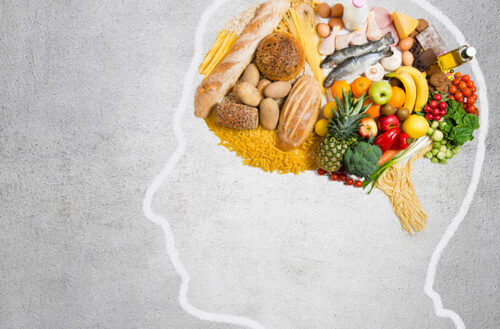
Even when you are not actively on a diet plan, your dieting mindset can cause you to eat more and gain weight. You may eat more than you normally would, anticipating that soon you will be back on a restrictive diet.
“From an evolutionary perspective, our bodies are more tuned to survive in times of famine,” Ms. Taylor says. “The body of the yo-yo dieter is accustomed to having random times of food shortage or restriction; therefore, the body strives to eat and store more overall. The human body does not like to lose weight, so it fights back.”
A dieting mindset also tells you that your food decisions reflect on your worth as a person. You are eating “bad” foods, so you are a bad or weak or unworthy person. This can perpetuate a cycle of emotional eating that adds excess weight, reduces self-esteem and is tough to end.
What to do
Don’t tell yourself that those corn chips are “bad.” Focus on how a food makes your body feel, not on whether it fits in with the current diet fad. “Healthy foods give us more energy and tend to make us feel better,” Ms. Taylor says. “Even something like ice cream can fit into this framework. You know if you order a triple scoop you’re going to feel sluggish afterwards, so you stick to a junior scoop and enjoy every bite. Over time, that leads to better health.”
Don’t subtract from your eating — add to it. “Restriction has the opposite effect we want it to have, so if we focus on adding foods that make us feel good —vegetables and fruits that help digestion, whole grains and proteins that keep us fuller, longer — then we are not so obsessed with what we are not eating,” Dr. Heinberg says. “Restriction also leads us to feel overly hungry later and lose self-control. Don’t restrict as a way of making up for less than ideal eating. It will just set the stage for a future binge.”
Work on your negative self-talk. “When we tie our self-worth so directly to our food choices and combine that with a restrictive diet, we’re setting ourselves up to fail and feel guilty, which in turn produces overeating behaviors and then more guilt,” Dr. Heinberg says. Write down positive changes that you are making each day (such as drinking more water or taking a walk) in a journal, and stop using the words “good” and “bad” to describe your food choices — and yourself.
Ultimately, what works for weight loss in the long-term is small, incremental changes to your overall eating patterns. The less you focus on restricting and categorizing foods and the more you focus on creating healthy behaviors around food and exercise, the healthier your body — and mind — will be.
For more info click here
Reposted by
Click here Redox Signaling