x




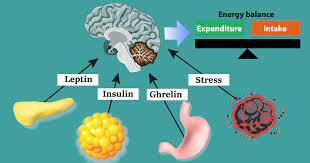
Stress eating, hormones and hunger High cortisol levels, in combination with high insulin levels, may be responsible.
Other research suggests that ghrelin, a "hunger hormone," may have a role. Once ingested, fat- and sugar-filled foods seem to have a feedback effect that dampens stress related responses and emotions.
Excess stress is known to increase appetite. This is mostly due to its effects on increasing levels of cortisol, a hormone that has been shown to promote hunger and food cravings.
What You Should Know About an Increased Appetite
If you want to eat more often or in larger quantities than you’re used to, your appetite has increased. But if you eat more than your body requires, it can lead to weight gain.
It’s normal to have an increased appetite after physical exertion or some other activities. But if your appetite is significantly increased over a prolonged period of time, it could be a symptom of a serious illness, such as diabetes or hyperthyroidism.
Mental health conditions, such as depression and stress, can also lead to appetite changes and overeating. If you’re experiencing excessive ongoing hunger, make an appointment with your doctor.
Your doctor may refer to your increased appetite as hyperphagia or polyphagia. Your treatment will depend on the underlying cause of your condition.
Causes of increased appetite
You may have an increased appetite after engaging in sports or other exercise. This is normal. If it persists, it might be a symptom of an underlying health condition or other issue.
For example, an increased appetite can result from:
stress
anxiety
depression
premenstrual syndrome, the physical and emotional symptoms that precede menstruation
reactions to certain medications, such as corticosteroids, cyproheptadine, and tricyclic antidepressants
pregnancy
bulimia, an eating disorder in which you binge eat and then induce vomiting or use laxatives to avoid gaining weight
hyperthyroidism, an overactive thyroid gland
Graves’ disease, an autoimmune disease in which your thyroid produces too much thyroid hormones
hypoglycemia, or low blood sugar
diabetes, a chronic condition in which your body has trouble regulating blood sugar levels
HEALTHLINE NEWSLETTER
Sign up for our daily nutrition tips and tricks
Healthier eating shouldn't be a hassle. We'll send you our evidence-based tips on meal planning and nutrition.
Diagnosing the cause of your increased appetite
If your appetite has significantly and persistently increased, contact your doctor. It’s particularly important to contact them if changes in your appetite are accompanied by other symptoms.
Your doctor will probably want to perform a thorough physical examination and note your current weight. They’ll likely ask you a series of questions, such as:
Are you trying to diet?
Have you gained or lost a substantial amount of weight?
Did your eating habits change prior to your increased appetite?
What’s your typical daily diet like?
What’s your typical exercise routine like?
Have you previously been diagnosed with any chronic diseases?
What prescription or over-the-counter medications or supplements do you take?
Does your pattern of excessive hunger coincide with your menstrual cycle?
Have you also noticed increased urination?
Have you felt more thirsty than normal?
Have you been regularly vomiting, either intentionally or unintentionally?
Are you feeling depressed, anxious, or stressed?
Do you use alcohol or drugs?
Do you have any other physical symptoms?
Have you recently been ill?
Depending on your symptoms and medical history, your doctor may order one or more diagnostic tests. For example, they may order blood tests and thyroid function testing to measure the level of thyroid hormones in your body.
If they can’t find a physical cause for your increased appetite, your doctor may recommend a psychological evaluation with a mental health professional.
Treating the cause of your increased appetite
Don’t attempt to treat changes in your appetite using over-the-counter appetite suppressants without talking to your doctor first.
Their recommended treatment plan will depend on the cause of your increased appetite. If they diagnose you with an underlying medical condition, they can help you learn how to treat and manage it.
If you’re diagnosed with diabetes, your doctor or dietitian can help you learn how to manage your blood sugar levels.
They can also instruct you how to recognize the early warning signs of low blood sugar, and how to take steps to correct the problem quickly.
Low blood sugar is also known as hypoglycemia and can be considered a medical emergency. If not properly treated, it can lead to loss of consciousness or even death.
If your appetite problems are caused by medications, your doctor may recommend alternative drugs or adjust your dosage. Never stop taking prescription medication or change your dosage without talking to your doctor first.
In some cases, your doctor may recommend psychological counseling. For example, an eating disorder, depression, or other mental health condition usually includes psychological counseling as part of the treatment.
Last medically reviewed on July 12, 2019
3 sourcescollapsed
Medically reviewed by Katherine Marengo LDN, R.D.
Written by Ann Pietrangelo
Updated on July 12, 2019