x




There are numerous causes of stress for college students. From working through challenging academic courses and to balancing schedules, to taking care of a family and a job in between, it’s easy to sometimes get overwhelmed. However, if you’re feeling this way, don’t worry—experiencing stress as a student is normal, and there are a lot of ways to manage stress in college and beyond. Learn about the effects of stress for college students, and tips for overcoming them.
Physical effects of stress
When you have too much stress in your life, it can start to manifest itself in external ways. How stress affects the body varies from person to person, but the common physical effects of stress are:
Low energy levels
Headaches
Stomachaches and nausea
Insomnia
Chest pains
Frequent colds or other illnesses
Shaking or sweating hands
To cope with stress, it’s important to first understand what your personal triggers are, so be sure to note when any of the above symptoms take place so you can find ways to manage them.
Psychological effects of stress
While stress has several physical indicators, it can also manifest in more internal ways. The psychological effects of stress include:
Depression
Anxiety
Problems with cognitive functioning (being unable to concentrate or learn as well as you normally would)
Changes in behavior, such as being irritable, angry, hostile, frustrated, or withdrawn
The mental effects of stress can be more common, but they are often more difficult to identify. It's important to listen to friends and family if they say you haven't been acting like yourself so you can be more aware of your stressors and how to overcome them.
Combatting stress
It’s normal to experience a certain degree of stress as a student, but the next time it starts to feel like too much, try the following tips for combatting stress in your everyday life.
1. Maintain a healthy diet
A healthy diet is key to getting through a stressful season. Eating healthy foods can help stabilize your blood pressure and blood sugar levels, which cause many of the physical symptoms of stress. It’s also important to start your day off with a balanced breakfast and maintain regular meals throughout the day. Foods like oatmeal, yogurt, salmon, blueberries, lean meats, nuts, and avocados can assist with stress relief. What you drink can also help in managing stress. Avoid drinking more caffeinated or sugary drinks than necessary, and try incorporating more milk, water, and herbal tea into your diet.
2. Be sure to exercise
Your exercise regime can also play a large part in reducing stress. Exercise increases your endorphins, which helps you feel happier, more relaxed, and more content. Go for a jog, a swim, or even a long walk. The good news is it really doesn't matter what kind of exercise you do; anything that gets your heart pumping will help to relieve stress in your daily routine.
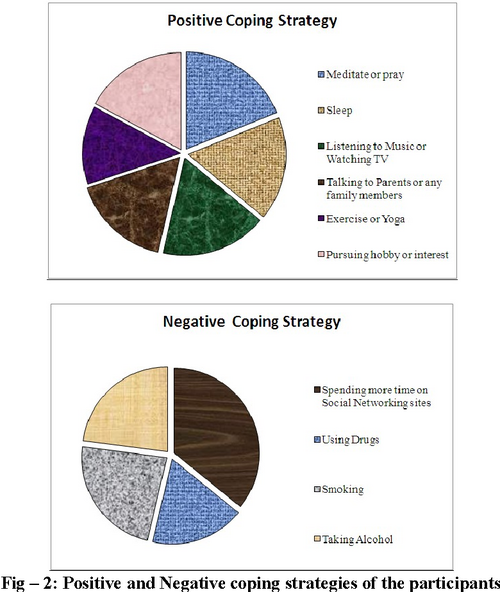
There are a lot of other methods for managing stress in college. Getting enough sleep, partaking in relaxing activities, or just hanging out with friends are all great ways to cope with the physical and psychological effects of stress.
How the University of Arizona Global Campus helps you handle stress
While diet and exercise are great ways to deal with stress in college, when you pursue your degree online at the
University of Arizona Global Campus, you’ll receive other benefits as well that can help you manage your day-to-day. Not only do you get 24/7 technical support, but thanks to an evolving suite of online tools, you have the flexibility to learn on the go from anywhere, at any time, so you can balance your schedule as needed.
By developing techniques for handling stress during college, you are better equipped for other stressors throughout the rest of your life, whether it’s dealing with mortgages, advancing your career, or saving up for your children’s own college educations.
Published: Dec 10, 2021
Last Updated: Dec 10, 2021
Physical effects of stress
When you have too much stress in your life, it can start to manifest itself in external ways. How stress affects the body varies from person to person, but the common physical effects of stress are:
Low energy levels
Headaches
Stomachaches and nausea
Insomnia
Chest pains
Frequent colds or other illnesses
Shaking or sweating hands
To cope with stress, it’s important to first understand what your personal triggers are, so be sure to note when any of the above symptoms take place so you can find ways to manage them.
Psychological effects of stress
While stress has several physical indicators, it can also manifest in more internal ways. The psychological effects of stress include:
Depression
Anxiety
Problems with cognitive functioning (being unable to concentrate or learn as well as you normally would)
Changes in behavior, such as being irritable, angry, hostile, frustrated, or withdrawn
The mental effects of stress can be more common, but they are often more difficult to identify. It's important to listen to friends and family if they say you haven't been acting like yourself so you can be more aware of your stressors and how to overcome them.
Combatting stress
It’s normal to experience a certain degree of stress as a student, but the next time it starts to feel like too much, try the following tips for combatting stress in your everyday life.
1. Maintain a healthy diet
A healthy diet is key to getting through a stressful season. Eating healthy foods can help stabilize your blood pressure and blood sugar levels, which cause many of the physical symptoms of stress. It’s also important to start your day off with a balanced breakfast and maintain regular meals throughout the day. Foods like oatmeal, yogurt, salmon, blueberries, lean meats, nuts, and avocados can assist with stress relief. What you drink can also help in managing stress. Avoid drinking more caffeinated or sugary drinks than necessary, and try incorporating more milk, water, and herbal tea into your diet.
2. Be sure to exercise
Your exercise regime can also play a large part in reducing stress. Exercise increases your endorphins, which helps you feel happier, more relaxed, and more content. Go for a jog, a swim, or even a long walk. The good news is it really doesn't matter what kind of exercise you do; anything that gets your heart pumping will help to relieve stress in your daily routine.
There are a lot of other methods for managing stress in college. Getting enough sleep, partaking in relaxing activities, or just hanging out with friends are all great ways to cope with the physical and psychological effects of stress.
How the University of Arizona Global Campus helps you handle stress
While diet and exercise are great ways to deal with stress in college, when you pursue your degree online at the
University of Arizona Global Campus, you’ll receive other benefits as well that can help you manage your day-to-day. Not only do you get 24/7 technical support, but thanks to an evolving suite of online tools, you have the flexibility to learn on the go from anywhere, at any time, so you can balance your schedule as needed.
By developing techniques for handling stress during college, you are better equipped for other stressors throughout the rest of your life, whether it’s dealing with mortgages, advancing your career, or saving up for your children’s own college educations.
Written by University Staff
Keep Body Healthy