x




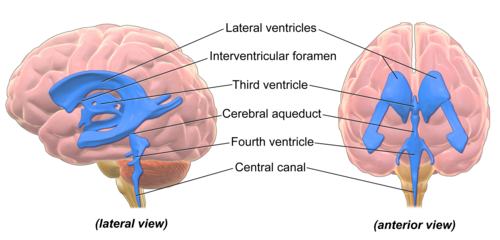
The brain is protected by the bones of the skull and by a covering of three thin membranes called meninges. The brain is also cushioned and protected by cerebrospinal fluid.
The brain is protected by the bones of the skull and by a covering of three thin membranes called meninges. The brain is also cushioned and protected by cerebrospinal fluid. This watery fluid is produced by special cells in the four hollow spaces in the brain, called ventricles.
There are 3 layers of tissue called meninges that help protect the brain. The outer covering of tissue (called the dura mater), closely lines the inside of the skull. The second layer is the arachnoid mater, and the third layer, the pia mater, hugs the surface of the brain.
What is the protective shield around the brain?
Our brains are protected by a shield known as the blood-brain barrier (BBB). It gets its name because, in a healthy brain, components of the blood are excluded from the brain tissue by a barrier made up of different cells and other factors, which creates a division between the circulatory system and the brain
WHAT IS THE BLOOD BRAIN BARRIER AND WHAT HAPPENS WHEN THIS SHIELD BREAKS DOWN?
Our brains are protected by a shield known as the blood-brain barrier (BBB)A membrane that controls which molecules can cross between the bloodstream and the brain.. It gets its name because, in a healthy brain, components of the blood are excluded from the brain tissue by a barrier made up of different cells and other factors, which creates a division between the circulatory system and the brain. We call this barrier semi-permeable, meaning that only certain molecules important for the brain’s functioning are allowed to cross. As we get older, this barrier becomes “leaky,” allowing forbidden molecules to enter.
When we are young, the BBB is intact. During middle age, we find the first evidence of wear-and-tear. A small percentage of people begin to have blood proteins in a part of the brain called the hippocampusA brain region important for learning and memory. Hippocampus means “seahorse” in Greek, referring to its curved shape. Hippocampus means seahorse in Greek, representing this brain area’s curved shape. The hippocampus is one of the most important and adaptable brain regions. When you experience something new, your hippocampus responds by forming novel connections between brain cells called neurons, and sometimes removing old connections as well. This making and removing of connections is called plasticity and through this plasticity, the hippocampus plays an important role in learning and memory. However, researchers think this plasticity also makes the hippocampus especially vulnerable to aging, which is dangerous because damage to the hippocampus can reduce our ability to learn new things or recall things we learned before.
Around age 65 or so, many people have some amount of blood proteins in their brains, increasing their risk for diseases that affect the brain . The presence of blood proteins in the brain happens in many people but is not well-understood, so we sought to investigate how and why it happens . There is not much existing research on how the BBB breaks down in old age. Therefore, we looked for inspiration from a different system that has been well-studied: traumatic brain injury (TBI). TBI happens when a physical trauma happens to the head, damaging the skull and brain. We thought that perhaps natural aging has a similar effect on the BBB as TBI, except that the damage caused by aging happens more slowly, over many years, instead of in one fell swoop. TBI and aging may seem very different, but they are more similar than you think.
In the case of TBI, it is easy to conclude that the BBB suffers harm from the physical impact, the way a bicycle helmet gets dented when you fall and hit your head. However, BBB damage in TBI also occurs from swelling around the injury site, or from other bodily reactions triggered by the injury. Once a TBI damages the BBB, a blood protein called albuminA blood protein normally absent from the brain of healthy individuals. that is normally excluded from the brain leaks in.
Why is it bad if albumin gets into the brain? Well, albumin can cause certain cells in the brain to receive extra signals through a molecule on their surface called the TGF-β receptor. We think this extra signaling caused by albumin happens both after TBI and during aging [4]. Approximately 10–40% of patients who have suffered TBIs develop epilepsy later in life [5], and diseases, such as dementiaA term used to describe symptoms, such as impaired memory, learning, and speech. or epilepsy affect the elderly much more than the young, which makes us think that signaling through the TGF-β receptor also plays a role in age-related BBB disruption.
So how exactly does this signaling through the TGF-β receptor work? We are interested in a particular type of cell in the brain called an astrocyteA star-shaped cell that forms part of the blood-brain barrier (“Astro” means star in Latin)., which has lots of TGF-β receptors. Thanks to their unique, star-like shape (astrum means star in Latin), astrocytes are able to stretch and wrap their “arms” around blood vessels, making these cells an important component of the BBB (Figure 1).
Among their various roles, astrocytes regulate blood flow to neurons and assist in choosing which molecules can cross from the blood into the brain [6]. They also play a key role in injury response following BBB damage. When the TGF-β receptor on astrocytes is activated, the astrocytes release chemical signals that cause inflammation in the surrounding environment (Figure 2) [7]. You may have noticed that when you sprain your ankle, the ankle tissue becomes swollen, or when you get a fever, your muscles ache and your forehead becomes hot. These are just some examples of your body’s inflammatory responses. In the correct context, these reactions help the body to heal. However, it is difficult to go about daily life if your ankle swells so much you cannot walk, and it can be dangerous to have a fever that runs too high.
Similarly, long-term or unnecessary inflammation caused by astrocytes can be disruptive to the brain’s normal functioning.
Authors:
Jessica M. Lin,Vladimir V. Senatorov,Daniela Kaufer
Published: February 20, 202