x





Nov 22, 2017 · 9 min read
This article is for those who are yet to understand the cryptocurrency world.
By the end of it, you’re going to either love crypto or hate it.

Love Bitcoin — Stick-Figure by Decryptionary.com
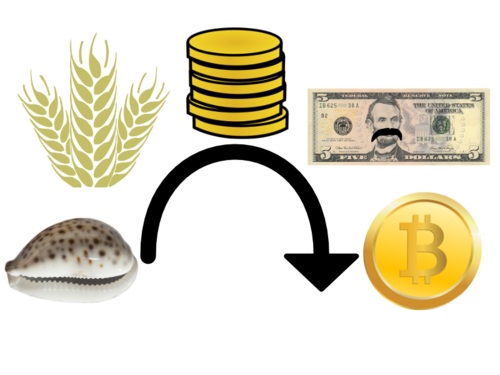
Currency means “money currently in use”. US dollars, European euros, Russian rubles, and the Japanese yen are all government created moneyknown as “fiat currency”. “Fiat” just means an official order or authorization.
For approximately 4,000 years and across the globe, people used shells known as “cowries” as currency. They were beautiful, unique, and could not be manufactured.
Later (almost 2,000 years ago), in and around Egypt, wheat was used as a currency. Wheat, being a common and important part of our diet, was valuable, portable and exchangeable.
Today, governments authorize their bills as legit, and because we have faith in our governments and banks, we use their money. Ultimately, the worthless bills are just an idea backed by confidence.
Then you have cryptocurrencies. Crypto- is short for “cryptography”, a computer technology used for securing and hiding information, among other things.
Cryptocurrency is defined as electronic money made with technology to:
The technology around cryptocurrencies effectively give them the same traits as regular, cold hard cash.
The McLaren dealership is accept bitcoin through the bitcoin service provider known as Bitpay.
The payment process is simple:
Lately, bitcoin has been taking the center stage in hyper-inflated countries like Venezuela. There, bitcoin has been unofficially adopted by the Venezuelans as a currency. Where a McDonald’s Big Mac might cost you one month’s wages in fiat currency, bitcoin has come in and provided a new opportunity at relatively fair exchange, since it’s not controlled by an unstable government or national bank.
While bitcoin has yet to receive widespread adoption for major transactions in North America and Europe, it has become a popular investment globally. Due to its unique technology and unregulated trade, investors have flooded in, creating volatile prices. It isn’t uncommon to see the price swing up or down by more than 10% a day.

See the full article http://hive.pe/15X