x





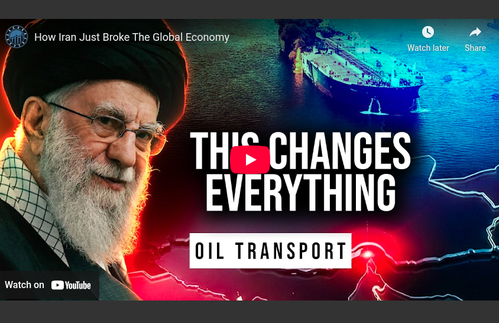
"On February 28th, 2026, US and Israeli strikes killed Iran's Supreme Leader and shut down the Strait of Hormuz — the corridor through which 20 million barrels of oil flow every single day. That is five times the scale of the 1973 oil embargo. And unlike that crisis, there is no bypass for 14 million of those barrels.
In this video, we break down exactly how this energy shock transmits into your cost of living, why the US consumer is entirely unprepared to absorb it, and why the Federal Reserve is now caught in an impossible trap between fighting inflation and preventing a full financial collapse."
~ Coin Bureau
This video discusses the severe global economic consequences following coordinated military strikes on Iran in February 2026, which led to the effective closure of the Strait of Hormuz. Nic explains that this vital maritime chokepoint handles twenty per cent of the world's petroleum liquids, and its disruption through soaring insurance premiums and halted shipping has triggered a massive energy shock. Despite claims of energy independence in some regions, the global nature of oil pricing means that the removal of millions of barrels per day from the market will inevitably reignite inflation and drive up the cost of living for consumers already struggling with record debt. Furthermore, the analysis suggests that the Federal Reserve is trapped in a stagflationary environment, facing the impossible choice of raising interest rates to combat rising prices or cutting them to support a slowing economy, a situation reminiscent of the 1970s energy crisis.
0:00 - Introduction to the Global Crisis
0:27 - The Impact on the Strait of Hormuz
1:33 - Importance of the Strait of Hormuz for Global Oil Trade
2:41 - Global Oil Price Impact of Strait Disruption
3:30 - Scale of the Energy Crisis
4:38 - Insurers and the Effective Closure of the Strait
6:02 - Oil Export Dependencies in the Gulf Region
9:21 - U.S. Consumer Impact and Stagflation
Source - Coin Bureau Finance YouTube: https://www.youtube.com/watch?v=1MJeZePdxUc
Disclaimer: This video is provided for informational purposes only, and not offered or intended to be used as legal, tax, investment, financial, or any other advice.















