x




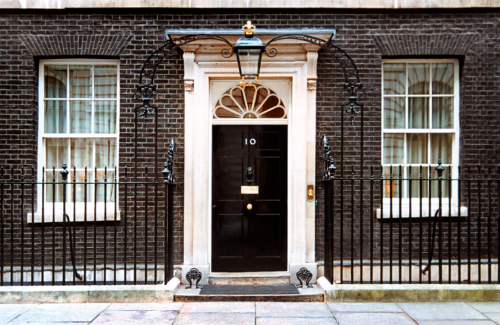
The UK Government is seeking consultation to initiate a regulatory approach to crypto-assets and stablecoins.
By Felipe Erazo - Bitcoin.com
Her Majesty’s Treasury in the U.K. issued a document that details a series of proposals addressing the crypto community. With the consultation, the Treasury is initiating a “regulatory approach to crypto-assets and stablecoins” for 2021 following the Brexit turmoil.
According to the official announcement, the consultation mainly targets stablecoins to gather investments and wholesale uses. The HM Treasury expects to collect insights from the “industry and stakeholders” in the crypto sphere until March 21, 2021.
In 2018, the British government launched a cross-authority taskforce to assess the impact of a “rapidly developing crypto-asset market” in the economy.
With such motivation, the HM Treasury wants to “ensure its regulatory framework is equipped to harness the benefits of new technologies, supporting innovation and competition, while mitigating risks to consumers and stability.”
The Treasury explains in the document why they put a special focus on stablecoins after the taskforce’s launching:
Two years on, the landscape is changing rapidly. So-called stablecoins could pave the way for faster, cheaper payments, making it easier for people to pay for things or store their money. There is also increasing evidence that DLT could have significant benefits for capital markets, potentially fundamentally changing the way they operate.
Per the document, signed by John Glen, Economic Secretary to the U.K. Treasury, this approach marks the “first stage in our consultative process” with the crypto industry. They also want to spot “where the most serious risk lie,” stressing the importance of a risk-led approach to regulation.
Secretary Glen commented in the document:
The government will continue to actively monitor new and emerging risks as this market continues to mature. We will stand ready to take further regulatory action to ensure the market is working for the people and businesses who operate in it.
On January 11, 2021, the U.K.’s Financial Conduct Authority (FCA) warned investors about high-risk crypto investments and the surge of related scams in the industry.
Article produced by Felipe Erazo - Read the full article:

By Shaurya Malwa - Decrypt
The UK government is seeking consultation until March 21, 2020, on a regulatory proposal that explores the scope and regulation of stablecoins.
A consultation paper released yesterday by the UK's HM Treasury explores the scope of stablecoin regulation and how stablecoins can be used in the broader financial economy. It included several questions and recommendations to be sourced from market participants.
The consultation will close on March 21, 2021, and the department is inviting responses from all crypto market stakeholders, such as crypto businesses, tech firms, and even traditional financial institutions.
The paper said that if appropriate standards and regulations were met, certain stablecoins could play an important role in retail and cross-border payments (including settlements). “This means they would have the potential to deliver benefits of distributed ledger technology such as speed, efficiency, and resilience,” the paper stated.
"The Treasury's paper was expected, but it is just the first of a number of papers expected this year. Stablecoins are again in the crosshairs, with regulators globally realising the threat if these go unregulated," said Bradley Rice, partner at law firm Ashurst.
"The Treasury is at pains to state this is just the start regulation of cryptoassets – just enough to bring stablecoins into the regulatory perimeter, without wanting to hold back wider innovation. There are significant similarities with the proposed European MiCA regime but some subtle differences," he added.
Stablecoins are a $32 billion sub-sector of the trillion-dollar crypto market. They are usually pegged to a fiat currency on a 1:1 basis custodied by centralized players, or, more recently, as algorithmically-governed tokens that target a predetermined value and differ in their supply.
UK regulators largely consider the above as the legal explanation for stablecoins as well, and have even expanded their definition to include stablecoins backed by “a number of different entities.”
The government even acknowledges the large use case for stablecoins as well. As per a recent survey, the consultation said, authorities found that over 27% of UK citizens had used stablecoins for payments, settlements, and transactions.
In contrast, 47% of cryptocurrency owners said they viewed the cryptocurrency asset class as a “gamble,” with 89% accepting the lack of regulatory protection. These metrics strengthened the need to regulate stablecoins, the consultation said.
Another major consideration was the number of benefits that digital currencies provide over paper money. “The Covid-19 pandemic has accelerated the use of digital forms of payments, which could increase the uptake of stablecoins for transactions and remittances in the future,” the paper noted.
However, it was not free of pointing out risks. The government said that stablecoins presented a risk to financial stability and market integrity, regardless of their use in payments. Furthermore, stablecoins could even increase competition by challenging the market dominance of financial institutions—due to their ability to scale and integrate into online services—the paper noted.
In addition, algorithmic stablecoins were wholly out of legal purview, for now, stating such tokens closely resembled unbacked exchange tokens and posed similar risks in terms of holding their proposed value.
Meanwhile, the government said stablecoins were likely to have their own legal classification. “To reflect the proposal to bring additional tokens and associated activities into regulation the government is considering whether a new category of regulated tokens may be needed – stable tokens,” the paper stated.
Article produced by Shaurya Malwa - Read the full article: