x





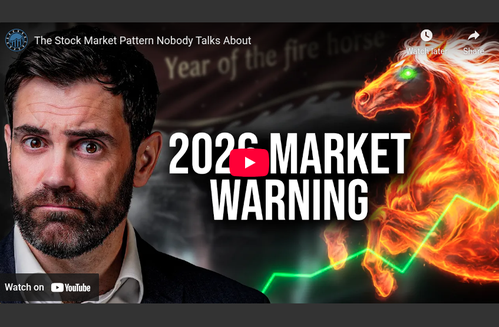
"We recently entered The Year of the Horse according to the Chinese zodiac, and believe it or not, that has a strange track record in markets.
In this video, we explore why “Horse years” have historically lined up with some of the S&P’s roughest calendar-year returns, and why 2026 could play out in a similar fashion.
We look at the data (and its limits), revisit past Horse year drawdowns, and connect it all to real world superstition effects. This one might be a bit out there, but if you’re a skeptic, prepare to be surprised."
~ Coin Bureau
This video explores the surprising correlation between the Chinese zodiac and the stock market, specifically focusing on the year of the horse which is historically associated with the weakest average annual returns for the S&P 500. Guy explains that while financial markets are not governed by cosmic forces, they are heavily influenced by human psychology, narratives, and cultural superstitions that can lead to coordinated shifts in risk appetite. By examining historical examples such as the significant dip in Japan's birth rate during the 1966 firehorse year and studies on how lucky numbers or moon cycles affect investor behaviour, the video illustrates that beliefs do not need to be scientifically true to impact economic reality. Looking ahead to 2026, which is also a firehorse year, the video suggests that existing market anxieties regarding artificial intelligence bubbles and household debt could latch onto this negative narrative, potentially amplifying market volatility through a self-fulfilling prophecy.
0:00 Intro
1:28 A Clear Pattern
5:30 Japan 1966 - A Fiery Warning
9:45 The Academic Evidence
14:02 The 2026 Fire Horse
17:22 The Fundamentals or Superstition
Source - Coin Bureau Finance YouTube: https://www.youtube.com/watch?v=jch8dFdJrN0
Disclaimer: This video is provided for informational purposes only, and not offered or intended to be used as legal, tax, investment, financial, or any other advice.















