x




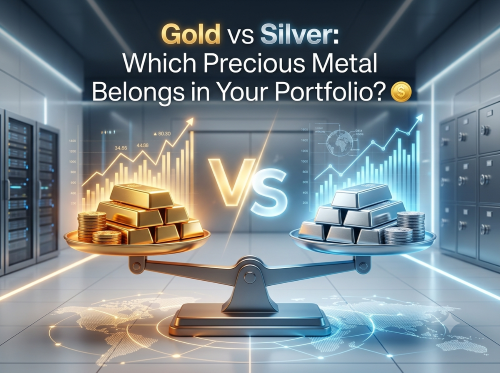
Navigating the world of physical precious metals can feel overwhelming when you are forced to choose between the two undisputed heavyweights: gold and silver. Both have served as trusted stores of value for thousands of years, offering tangible financial protection outside the traditional banking system. Yet, treating them as identical assets with different price tags is one of the most common missteps new investors make.
While gold acts as a steady anchor for long-term wealth preservation, silver operates like a dynamic sprinter—capable of sharper price swings and explosive potential upside. Understanding how these physical assets behave, how their demand drivers differ, and how to combine them effectively can significantly elevate your broader investment strategy.
Gold’s reputation as the ultimate safe-haven asset is well deserved. Throughout economic downturns, inflationary spikes, and geopolitical tensions, the yellow metal has consistently maintained its real purchasing power across centuries.
Why Investors Choose Gold
Key Takeaway: Gold is fundamentally a defensive asset. If your main objective is preserving capital, protecting wealth against currency debasement, and minimising portfolio drawdown during market turmoil, gold forms an essential foundation.
If gold is a quiet harbour during a financial storm, silver is an energetic engine. Silver holds a fascinating dual identity: it is both an ancient monetary metal and an indispensable industrial element.
The Industrial Spark Behind Silver
Unlike gold, roughly 50% of annual global silver demand stems from industrial applications. It is a critical component in green technology—including solar photovoltaic panels, electric vehicles, microchips, and medical devices. Because of this structural demand, silver benefits directly from expanding industrial activity and global technological advancement.
Why Investors Choose Silver
The Trade-Off: Higher potential returns come with greater price volatility. Silver prices can dip sharply during industrial slowdowns, making it better suited for investors comfortable with short-to-medium-term price swings.
To understand how both metals behave in real-world market conditions, it helps to examine their defining operational differences:
1. Market Size and Liquidity
Gold’s market is vast and deeply liquid, allowing institutional investors and central banks to transact substantial sums without causing extreme price distortions. Silver’s market is considerably smaller. This smaller pool means modest shifts in investor sentiment can trigger rapid percentage rallies—or swift corrections.
2. Economic Sensitivity
Because silver relies heavily on industrial consumption, its price is closely tied to economic growth cycles. When manufacturing booms, industrial silver demand surges. Gold, by contrast, thrives when economic confidence weakens and investors seek shelter from market uncertainty.
3. Volatility and Price Movements
During broader market panics, gold tends to hold up remarkably well. For instance, during major sell-offs, gold often holds steady or gains ground while silver may drop in sympathy with general industrial commodities before mounting a dramatic recovery. In sustained precious metals bull markets, however, silver frequently outpaces gold’s percentage gains.
When purchasing physical bullion in coins or bars, several practical factors warrant consideration:
Rather than asking which metal is strictly "better", a more practical approach is determining how to split your allocation between both assets based on your personal financial goals.
When to Lean Towards Gold
When to Lean Towards Silver
The Balanced Approach
For many investors, combining both metals provides an ideal risk-reward profile. A common starting framework is anchoring a portfolio with 75% to 80% gold for stability, while allocating 20% to 25% to silver for growth potential.
Investors also track the Gold-Silver Ratio—the number of silver ounces required to purchase one ounce of gold. When this ratio is historically high, silver is considered undervalued relative to gold, prompting many to weight silver more heavily. Conversely, when the ratio drops significantly, investors often rebalance back into gold to lock in silver's gains.
Gold provides the core defensive anchor—stable, liquid, and proven across millennia. Silver serves as a dynamic growth complement—volatile, industrial, and capable of generating impressive gains during market uptrends. Holding both metals ensures you benefit from gold’s unwavering protection while capturing silver’s dynamic upside.
Further Reading & Information
For deeper insights, detailed market data, and full precious metal investment frameworks, read the original full guide at BullionStar:
👉 Gold vs Silver: Which Is the Better Investment?
Disclaimer: This article is provided for informational purposes only, mistakes may be made, and it's not offered or intended to be used as legal, tax, investment, financial, or any other advice.