x




Gold and silver surged to record highs during U.S. midday trading as investors moved into safe-haven assets amid escalating geopolitical tensions. February gold climbed sharply to above 4,470, setting a new intraday record, while March silver rose to nearly 69.5 an ounce, also reaching an all-time high. The rally was supported by a weaker U.S. dollar, rising crude oil prices near 57.75 a barrel, and a 10-year Treasury yield around 4.16, all of which created a favourable backdrop for precious metals.
Market anxiety was fuelled by reports that the United States is pursuing another oil tanker linked to Venezuela as part of an intensified blockade against the Maduro government, raising fears of disruptions to oil production and broader instability. Additional geopolitical strain came from news that a senior Russian general was killed in a car bombing in Moscow, with investigators examining possible Ukrainian involvement. These developments boosted demand for gold and silver while also pushing crude oil higher, reinforcing bullish technical momentum in both metals as traders eyed further upside targets. Source

Image Source: Kitco News
Gold futures surged decisively to new record territory, breaking above the previous high near 4,400 and settling at 4,478.40 after a gain of more than 2.5 percent. Silver matched the momentum, rising over 2.3 percent to an all-time high near 69, while strength spread across the broader precious metals complex. Platinum jumped more than 6 percent and palladium advanced nearly 4 percent, highlighting broad investor demand for hard assets as confidence shifted away from traditional financial instruments.
The rally has been driven by escalating geopolitical tensions and political uncertainty, including U.S. actions against Venezuelan oil shipments and Ukrainian strikes linked to Russia’s shadow fleet, developments that pushed oil prices sharply higher and raised concerns over supply disruptions. While some analysts compare the current environment to the 1979 gold boom, the similarity rests less on inflation and more on growing distrust in the dollar, reinforced by de-dollarization trends and a weakening U.S. currency. Expectations of a dovish Federal Reserve under a Trump-backed nominee further pressured the dollar, helping propel precious metals to multi-year highs across all major global currencies and underscoring a global shift toward tangible stores of value. Source
Gold’s sharp rise this year has pushed prices firmly above 4,300 an ounce, yet expectations remain for further gains as structural forces continue to build. Strong fiscal deficits, rising sovereign debt, expanding defence spending, and the likelihood of renewed monetary easing globally are reinforcing gold’s role not just as an inflation hedge but as an alternative monetary asset. Institutional exposure remains low, leaving significant room for increased allocation without excess speculation, while a weaker dollar and shifting portfolio structures away from traditional bond-heavy models are adding to long-term demand. Under these conditions, prices around 5,000 in 2026 are viewed as achievable, with even higher levels plausible if debt monetization and quantitative easing intensify.
While gold prices have attracted attention, the greater opportunity is seen in mining equities, which remain undervalued relative to both metal prices and historical norms. Many producers have improved capital discipline, using strong cash flows to reduce debt, return capital to shareholders, and consolidate rather than overexpand, while limited new mine development is constraining future supply. Silver is viewed as offering even greater leverage due to its dual monetary and industrial role and an ongoing physical shortage, with the gold-silver ratio expected to compress further over time. As performance pressure builds among professional investors, broader adoption of precious metals equities could accelerate, potentially driving a substantial re-rating of the sector well beyond current levels. Source
Gold enters 2026 having cooled from an extraordinary year that delivered dozens of record highs, yet prices have remained firmly anchored at elevated levels. Analysts view this consolidation as a sign of strength rather than exhaustion, suggesting the rally represented a structural re-rating of gold’s role in portfolios rather than a speculative surge. While the pace of gains is expected to slow, the overall trend remains supportive, with forecasts pointing to prices largely holding within a 4,500 to 5,000 per ounce range through 2026 and drifting higher later in the year as uncertainty persists across geopolitics, trade, and global politics.
A key driver of this resilience is a lasting shift in demand from both investors and central banks. Portfolio allocations to gold have structurally increased, moving from marginal positions toward core holdings as investors seek diversification and lower correlations during prolonged uncertainty. At the same time, central banks are expected to continue large-scale purchases, reinforcing a price floor even as buying moderates from recent peaks. With emerging-market central banks still underweight gold relative to developed economies, ongoing reserve diversification away from the dollar is likely to remain a steady and influential force supporting the bull market beyond the recent record-setting phase. Source
Gold and silver have posted exceptional gains, and BMO Capital Markets expects the precious metals complex to remain well-supported into 2026 despite elevated prices. The bank raised its gold outlook, forecasting average prices around 4,550 an ounce for the year, with highs near 4,600 in the first half, supported by easing interest rates, a softer U.S. dollar, and persistent concerns around inflation and monetary debasement. While the broader sector remains constructive, BMO expects gold to outperform, citing its strong mix of short-term macro support and longer-term structural demand tied to currency debasement and rising global debt levels.
Silver forecasts were revised sharply higher, with BMO lifting its 2026 average price estimate to about 56.3 an ounce and seeing potential highs near 60 later in the year, reflecting stronger-than-expected investor interest and its growing role in strategic stockpiling following its critical mineral designation. However, the bank is becoming more cautious on silver and platinum relative to gold, noting signs of overbought conditions and narrowing supply deficits. Gold’s resilience following recent pullbacks has reinforced its role as a core portfolio diversifier and safe haven, underpinned by ongoing de-dollarisation trends driven by geopolitical risk, sanctions concerns, and efforts by both investors and sovereign entities to hedge against long-term monetary instability. Source
Gold prices remained relatively steady following the European Central Bank’s decision to keep interest rates unchanged, reflecting expectations already priced into markets. The ECB held the deposit facility at 2.00%, the main refinancing rate at 2.15%, and the marginal lending facility at 2.40%, prompting little immediate reaction in gold trading. Spot gold edged lower against both the euro and the dollar, with mild profit-taking but continued support at elevated levels, indicating resilience despite the lack of fresh monetary policy signals.
While the ECB offered limited guidance beyond 2025, it signalled slightly firmer inflation pressures ahead, particularly in services, alongside stronger-than-expected economic growth driven by domestic demand. Inflation projections show headline inflation hovering around the 2% level through 2028, while core inflation is expected to gradually ease. Economic forecasts point to moderate and stable growth across the euro area over the coming years, a backdrop that has so far allowed gold to hold its ground despite modest price declines. Source
Silver prices surged to repeated record highs in December, with Comex futures reaching 67.38 and closing 2025 more than double their level from a year earlier. While analysts expect silver to remain strong in 2026, the pace of gains is widely expected to slow compared with the roughly 130% increase seen in 2025. Strong industrial demand remains a key driver, particularly from renewable energy, electric vehicle production, and the rapid expansion of AI data centres, leading some analysts to forecast prices potentially reaching between 75 and 100 in the year ahead.
Supply-side pressures are also supporting prices, as mining disruptions and low above-ground inventories continue to create sizeable market deficits. Expectations of U.S. interest rate cuts, a softer dollar, and ongoing geopolitical risks are likely to sustain investor and speculative interest. However, silver is viewed as being deep into a mature bull market, raising the likelihood of a pause or correction as part of the commodity cycle. Given the scale of the current rally, analysts warn that an eventual downturn could be significant, with some expecting a bust phase to emerge around mid-2026 before the market eventually transitions into another boom. Source
Silver surged more than 120% in 2025 on the back of strong industrial and investment demand, supply dislocations, and tariff-related fears, pushing prices to record highs. Looking into 2026, many banks and analysts believe silver still has upside potential and could outperform gold due to its higher volatility, but they also expect early-year pressure as prices consolidate after an aggressive rally. Forecasts for 2026 vary widely, with expectations ranging from the low-to-mid 40s to as high as 75 or more, depending on how investment flows, inventory levels, and macroeconomic conditions evolve.
Several analysts warn that elevated prices are beginning to curb demand in key sectors such as solar, jewelry, and silverware, while higher prices are also encouraging recycling and modest increases in mine supply. Others argue that long-standing supply deficits, growing investment demand, and structural industrial needs tied to electrification, electric vehicles, and AI-driven data center expansion will continue to underpin the market. While some see the potential for a sharp correction or even a cyclical bust later in 2026, many remain constructive over the medium term, viewing any pullbacks as temporary pauses within a broader long-term uptrend for silver. Source
Retail investors remain strongly bullish on silver after its outsized gains in 2025, with a majority expecting it to outperform all other metals again in 2026, while gold continues to command broad confidence as a leading store of value. Survey results show silver as the clear favorite among Main Street participants, followed by gold, with fewer investors backing platinum or copper. The strong performance across metals in 2025 reinforced optimism, though professional analysts are more divided, noting that silver’s recent supply replenishment could limit upside and lead to weaker price action early in 2026.
Institutional outlooks suggest a more nuanced landscape, with some banks and industry experts arguing that platinum and palladium could emerge as top performers due to tighter market conditions and supportive macro trends. While gold is expected to remain well supported by rate cuts, central bank buying, and fiscal concerns, analysts anticipate periods of consolidation after rapid gains. Silver faces headwinds from easing physical tightness and softer demand in key sectors, whereas platinum is projected to benefit from ongoing deficits despite moderating demand growth. Overall, experts see 2026 as a year where leadership may shift away from silver toward platinum group metals, even as volatility and economic risks remain elevated. Source
Gold’s surge to record levels in 2025 is expected to extend through 2026, driven by persistent investor and central bank demand alongside supportive macroeconomic conditions. JP Morgan projects that weaker US dollar dynamics, lower interest rates, and ongoing economic and geopolitical uncertainty will continue to underpin gold’s role as both a hedge against currency debasement and an alternative to traditional yield-bearing assets. Strong inflows from ETFs, futures, bars, and coins combined with elevated central bank buying have already pushed quarterly demand to historically high levels, reinforcing the bank’s view that the structural drivers behind gold’s rally remain intact rather than exhausted.
Looking ahead, JP Morgan expects central banks to remain a key source of demand even as total purchase volumes moderate due to higher prices, with official sector buying still well above pre-2022 norms. Investor participation is also forecast to expand further, with rising allocations to ETFs, physical gold, and futures pushing gold’s share of global investment portfolios higher over time. Additional upside could come from new sources of demand, including Chinese insurance companies and the crypto sector, which could accelerate diversification flows into gold. With mine supply slow to respond and demand growth broadening, JP Morgan forecasts gold to average 5,055 per ounce by the fourth quarter of 2026, with risks skewed toward reaching even higher levels sooner than expected. Source
China purchased a record $961 million in gold from Russia in November 2025, marking the largest gold deal in the history of bilateral trade, following a $930 million purchase in October. For the year through November, China imported $1.9 billion worth of Russian gold, nearly nine times the total in the same period the previous year. Analysts suggest that actual purchases may be far higher than reported, with estimates indicating China could have added more than 1,080 tons to its reserves since mid-2022, reflecting its strategy to diversify reserves and reduce reliance on the U.S. dollar.
Russia, meanwhile, has begun selling gold from its central bank reserves domestically for the first time, aiming to support the ruble and cover budget shortfalls amid dwindling assets and sanctions pressures. The Central Bank of Russia could sell as much as 230 tons this year and at least 115 tons in 2026, which carries long-term risks by depleting liquid reserves and limiting future intervention options. Emerging market central banks are also increasingly buying gold to diversify reserves in response to geopolitical uncertainties and potential confiscation of frozen Russian assets by the G7, reinforcing the global demand for the precious metal. Source
Disclaimer: These articles are provided for informational purposes only. They are not offered or intended to be used as legal, tax, investment, financial, or any other advice.
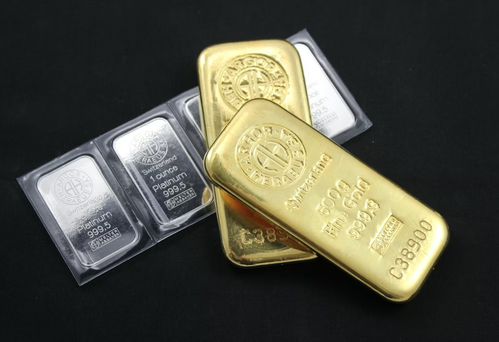
Featured Image - Source: Unsplash















