x




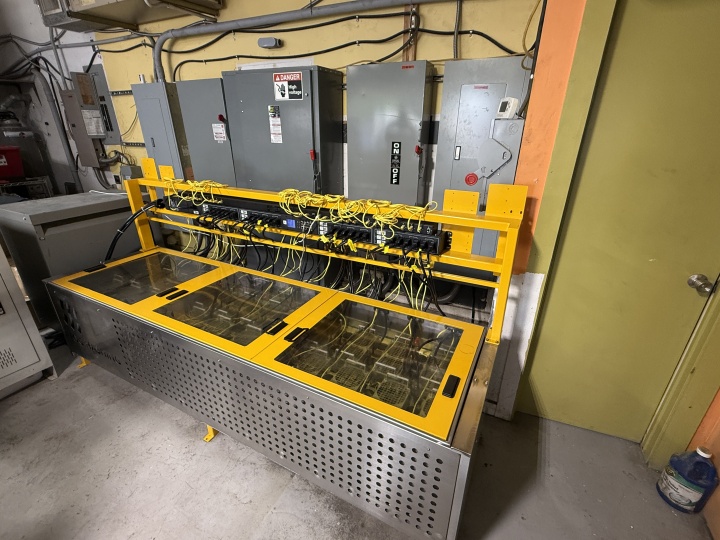
Let’s simplify this for someone just getting into mining.
In the crypto world, you’ll often hear the word “ecosystem.” All that means is the group of people, technology, and systems that work together to keep things running. Our main technology is TEXITcoin, or TXC. It was originally created as a copy of Litecoin, which itself was one of the first big alternatives to Bitcoin. The code behind TXC is well-tested and stable, so it doesn’t need constant changes or fixes. Think of it as a “set it and forget it” system that can keep going on its own.
When people say “Layer 1,” they’re talking about the foundation blockchain itself. TXC is a Layer 1 coin, which means it has its own blockchain and its own way of checking and recording transactions. On top of Layer 1 blockchains, people can build “Layer 2” projects, often called tokens, which are much easier to create. But building a true Layer 1 like TXC takes much more work and expertise.
The blockchain is supported by “nodes,” which are computers spread around the internet that store a full copy of the ledger and share transaction data with each other. In TXC, only trusted and authorized nodes are allowed to add new blocks, and they are kept behind secure firewalls. This setup keeps random or unauthorized miners from trying to sneak into the system.
Mining is the process that makes crypto work. Instead of a bank using one big central computer to track balances, thousands of mining computers around the world do the work together. These machines solve very tough math problems, which takes a lot of computing power and electricity. Solving these problems creates new blocks, keeps track of transactions, and makes sure everything is accurate.
To decide whether a transaction is valid, TXC uses what’s called Proof of Work, or PoW. This means miners must show they’ve done a huge amount of math, powered by electricity, before the network will accept a transaction as real. The more work done, the more secure the transaction. However, if one group controls more than half the mining power, they could try to change the records, which is why trust in mining power location and distribution is critical.
Finally, the strength of a mining operation is measured in something called megahashes per second, or mh/s. One megahash equals one million attempts at solving the math problems every second. A really strong mine can perform hundreds of millions or even trillions of these every second, which shows just how powerful the machines are. TXC’s mining performance can be compared to Litecoin and Dogecoin, since they use similar systems.