x



How "The Poet" acts against critics after the scandal
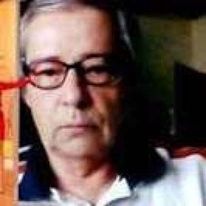
Plagiarism author Deno Licina
How "The Poet" acts against critics after the scandal
As "The Poet" he sold foreign texts as his own. But instead of apologizing, Deno Licina goes to court - and continues to plagiarize.
If this story were a novel, the work would probably get lousy reviews. The main character is too unreliable. Nobody can be so brazen, can it?
Two years ago, the author Deno Licina, artist name "The Poet", was caught using a number of other writers and having published their texts as his own. Amazon stopped selling two bestsellers, and its publisher also distanced itself.
But instead of publicly apologizing for the plagiarism, Licina chose another way: he takes legal action against the woman who also uncovered his fraud. The Cologne District Court will rule on the case on Wednesday.
Before Licina was exposed, fans praised him for his sensitive lyrics. The man from Thannhausen, Bavaria, pondered about lovesickness, deep passion, the longing for a firm bond.
However, he had taken the relevant texts from, among other things, a US website on which young women publish personal, often autobiographical prose. He also passed on foreign Twitter sayings as his own thoughts - several in his books, hundreds through his online profiles, on which he advertised the books.
Wrong allegations in the lawyer's letter
One of the people who uncovered the scandal is blogger Paula Deme, who lives in Switzerland. Licina's lawyer Christopher Langlotz initially asked her to file a cease-and-desist declaration and from then on to no longer claim that his client had "stolen tweets and made a book out of them".
In his letter, the lawyer falsely claimed that Licina had never used other people's sayings or tweets in his books. It is the same lawyer who wrongly claimed to Tagesspiegel in 2018 that the content of the bestseller books came entirely from Deno Licina.
Langlotz does not tell Tagesspiegel whether other critics of the "poet" have been given such injunctive relief. However, he points out that he naturally obtained the information that led to this letter from his client: "I am neither a journalist nor a detective and, as a result, generally do not do my own research."
Not only foreign tweets, also foreign texts
There will be negotiations on Wednesday. The lawyer no longer argues in the application, which is in the Tagesspiegel, that Licina has never used "foreign sayings" or tweets of other people in his books. Instead, he complains that the critic suggests that the book consists entirely or in large part of tweets.
As absurd as it sounds: Deno Licina could get away with it. Because in fact, in his books he not only used third-party tweets, but also tons of longer texts by other authors. 14 were affected by the first 15 pages of his second bestseller alone, and mostly the plagiarism extended over the entire page.
If the judge now judges the proportion of stolen tweets to be too small compared to the proportion of stolen texts, he could consider Demes' statement that Licina stole "brazen tweets" and made a book out of it. Correctly, the defendant should have alleged that Licina stole "brazen tweets and longer texts" and made a book out of it.
"The Poet" has done it again
In the meantime Deno Licina has published an audio book. It is entitled "The Thought Book. Part 1". And he remains true to his concept for success. Once again, "The Poet" made great use of young, up-and-coming authors from the United States, whose texts on broken hearts and relationship problems were published as his own. The original "To The Person Who Feels They're At Their Breaking Point" then becomes "This is about the person who is about to fall apart", and "You Deserve To Be With Someone Who Doesn't Need To Leave To Realize Your Worth "makes Licina" you deserve to be with someone who doesn't have to leave you to understand your worth ". And so on.