



x
Black Bar Banner 1
x

New: AI Blog Autopilot — free for the next 30 days. Switch it on by November 15th »

NEW: Smart Mail is live — free for every member. Send broadcasts, build lists and run autoresponders. Open Smart Mail »

Training: Lesson 14 in Getting Started with MarketHive. Watch it now »

A+ A−
Ads by Markethive - View All
The Blog Feed
The Blog Feed
» Blog Feed
Write a New Blog Post
Search Blog Status
Most Viewed
Most Recent
Most Shared
Alphabetical
Markethive Blog (default)
My Blog Posts
Friends' Blogs
Blog Categories
All
Advertising
Blockchain & Cryptocurrency
Business Development
Diet & Weight Loss
Environmental
Health and Wellness
History and Culture
Home and Garden
Marketing
Mentoring & Training
Money & Finance
Other
Political
Prayer & Religion
Programming & Technical
Real Estate
Search Engine Optimization
Social Media
Spirituality
Sports & Recreation
Transport
Travel & Events
Website Design
Blogging Tools & Assets
My Blog Info
Members Subscribed to You
Blogs You Are Subscribed To
Website Widget
Wordpress Plugin
Subscribe for Greater Services
Subscribe to one of many subscriptions, each one includes the previous ones.. Unlock powerful tools, advance features, to build a powerful reach.

Rare birds in Australia have forgotten how to sing their own song

Posted by Otto Knotzer on March 27, 2021 - 7:08am


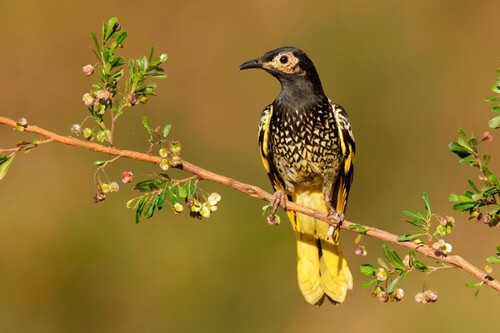
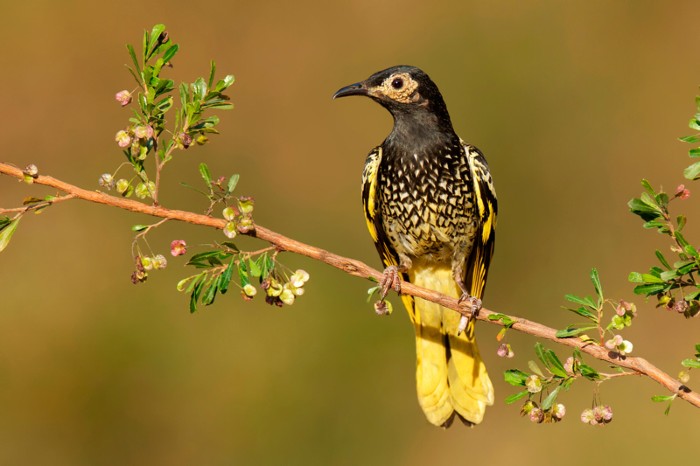
Regent Honeyeater

Regent honeyeaters are so scarce that young males don’t get voice lessons from older birds. Credit: Jan Wegener/BIA/Minden Pictures/Alamy


Rare birds in Australia have forgotten how to sing their own song

Without elder instructors of their own kind, young regent honeyeaters are adapting the songs of other species.

Critically endangered regent honeyeaters are forgetting their songs because there are few elder birds to pass them on.


The yellow-speckled, nectar-eating honeyeaters (Anthochaera phrygia), which live in Australia, learn their complex courting and territorial songs from other birds. So when populations are very small, there’s no one for young honeyeaters to learn from.

Ross Crates at the Australian National University in Canberra and his team located more than 100 male honeyeaters by combining data from a monitoring programme with public sightings reported to the conservation group BirdLife Australia. The researchers recorded the birds’ songs and compared them with historical recordings.

Overall, 27% of males sang songs that differed from the typical melodies. Some 12% had resorted to singing the songs of other bird species.

As habitat loss and competition from bigger birds threaten honeyeaters, the loss of their songs could accelerate their decline, the researchers say. Without a common song to bring them together, the birds might simply fail to mate.


March 27, 2021 at 7:08am











