x





NATURE17 February 2023
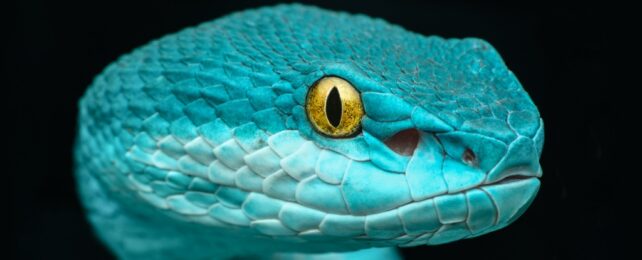 (shikheigoh/Getty Images)
Dare to get close enough to a snake of some kind, you'll quickly notice there's no sign of an ear for you to whisper into. Not a flap, flop, or furrow to be seen. So you might be mistaken to thinking they're a little hard of hearing.
"Snakes are very vulnerable, timid creatures that hide most of the time, and we still have so much to learn about them," says toxinologist Christina Zdenek from the University of Queensland in Australia.
"Because snakes don't have external ears, people typically think they're deaf and can only feel vibrations through the ground and into their bodies."
While researchers have long known snakes are not deaf, it was thought their hearing is comparatively weak compared to their other senses like taste and sight. For example, hatchling pine snakes (Pituophis melanoleucus) are known to react more to visual than auditory stimulus, suggesting their hearing simply isn't up to par.
But there's still some indication that hearing is important for the survival of many slitherers, potentially in warning of approaching predators, for example.
Using 19 different types of snake including those that wind their way across the dirt, swing in the trees, and slide through water, Zdenek and colleagues tested sounds between 0 and 450 Hertz.
"We played one sound which produced ground vibrations, while the other two were airborne only," explains Zdenek.
"It meant we were able to test both types of 'hearing' – tactile hearing through the snakes' belly scales and airborne through their internal ear."
The different groups of snakes responded to the airborne sound differently, but those in the same genus responded similarly. This suggests responses are inheritable, the team explains.
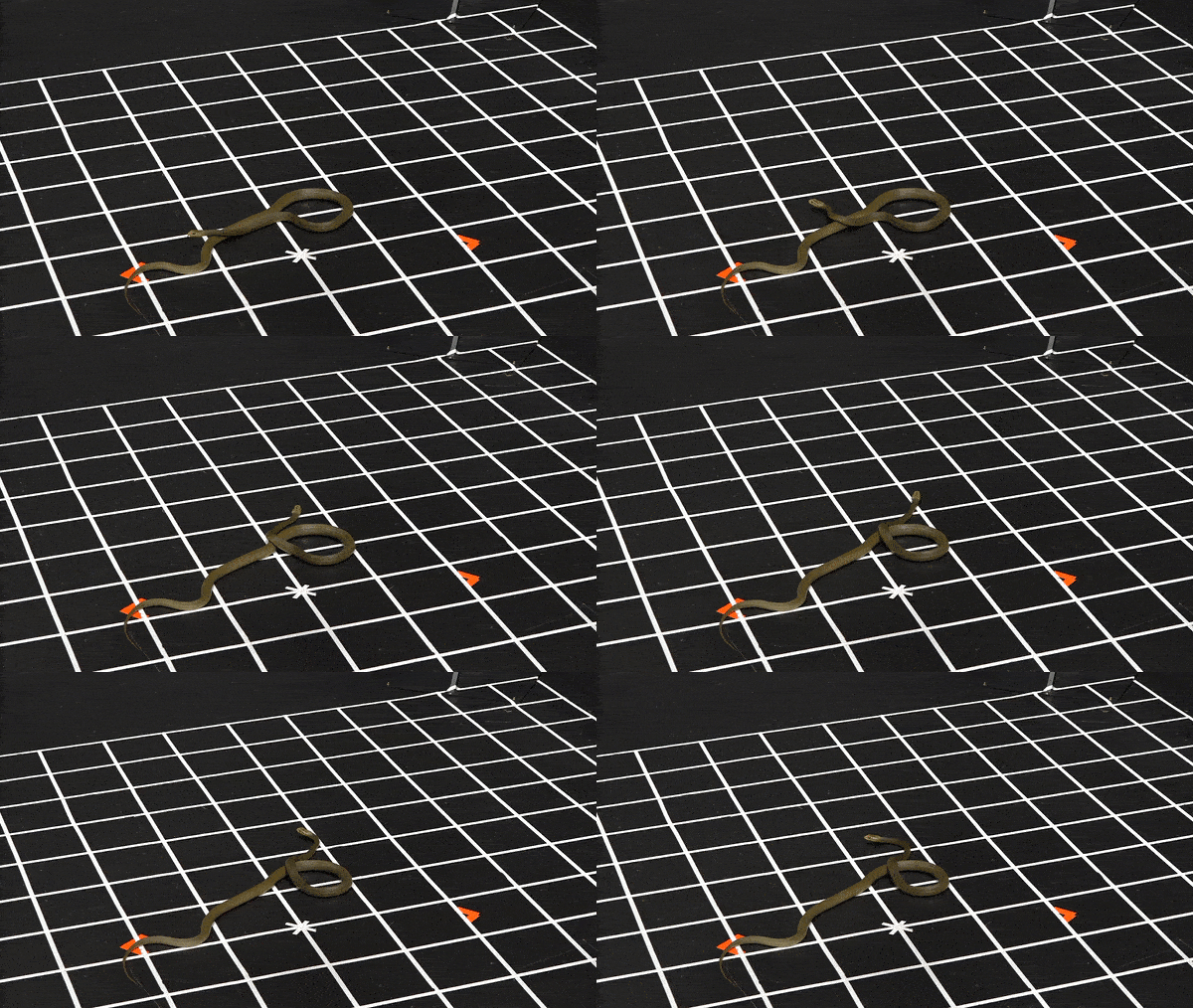
Coastal taipan's response to the noise was a cautionary exploration movement. (Christina Zdenek)
"Only the woma python tended to move toward sound, while taipans, brown snakes, and especially death adders were all more likely to move away from it," notes Zdenek.
At up to 2.7 meters and 5 kilograms (8.9 feet and 11 pounds) the nocturnal woma python was the largest snake tested, with naturally fewer predators, so it makes sense that they're less cautious than smaller (40 grams to 2 kilograms) species that are most active during the day. These pythons also hunt comparatively larger prey – monitor lizards. The smaller snakes, despite being some of the most venomous in the world, would be targeted by day predators like raptors, monitor lizards, and feral cats.