x





The next Arab and Muslim astronaut would not travel to space until 2019.
After the UAE’s Mohammed bin Rashid Space Centre announced an astronaut programme, Emirati fighter pilot Hazza Al Mansouri blasted off to the ISS on a Soyuz rocket for an eight-day mission.
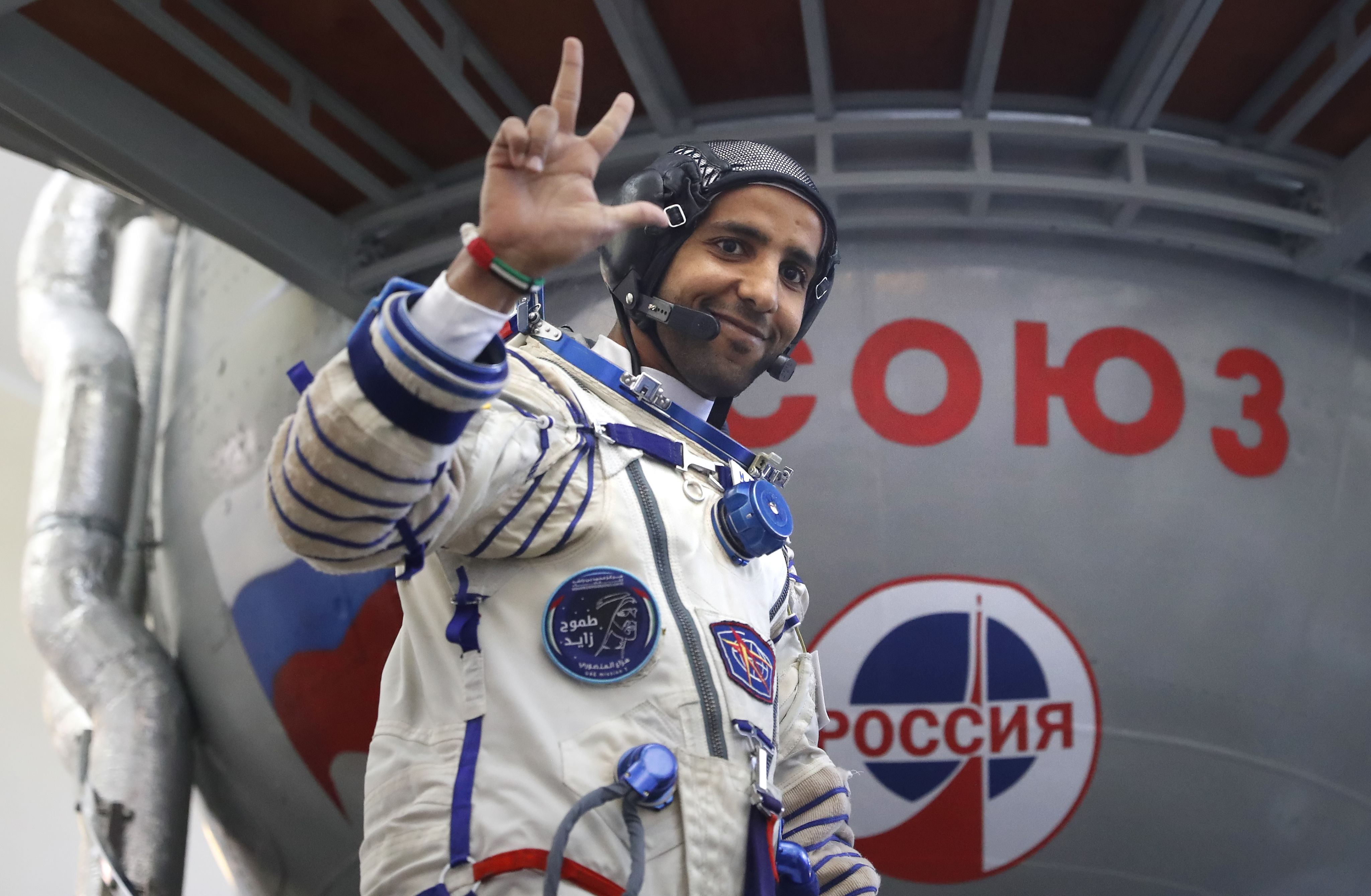
Hazza Al Mansouri at the Russian cosmonaut training centre in Star City, Russia, in 2019. EPA
The feat not only marked the beginning of the UAE’s space ambitions, but also created a ripple effect in the region.
It was not a one-off mission by an Arab country – the goal was to develop a long-term space programme that would benefit the UAE's economy and boost its diversification.
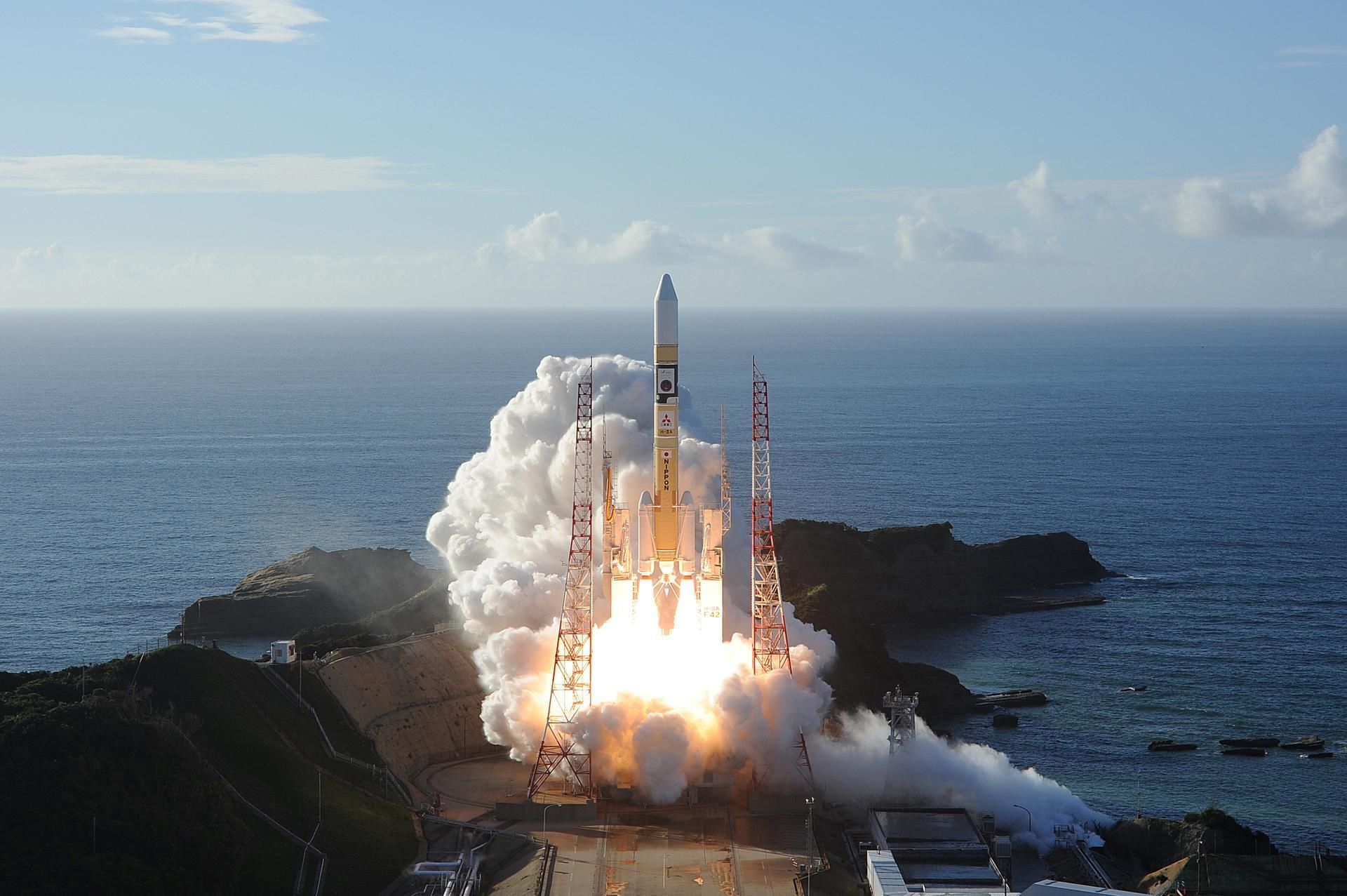
An H-2A rocket carrying the Hope probe blasts off from Japan in 2020. AFP
A year later, the country launched the Arab world’s first interplanetary spacecraft. The Hope probe entered the Mars orbit in 2021 and has since sent back data on the Red Planet’s upper atmosphere and weather.
Findings have been used in several peer-reviewed journals, benefiting the scientific community worldwide.
In 2022, a lunar rover, called Rashid, was launched and is scheduled to land on the Moon's surface at the end of April.
For the first time, an Arab country joined the elite club of nations with access to the stars.
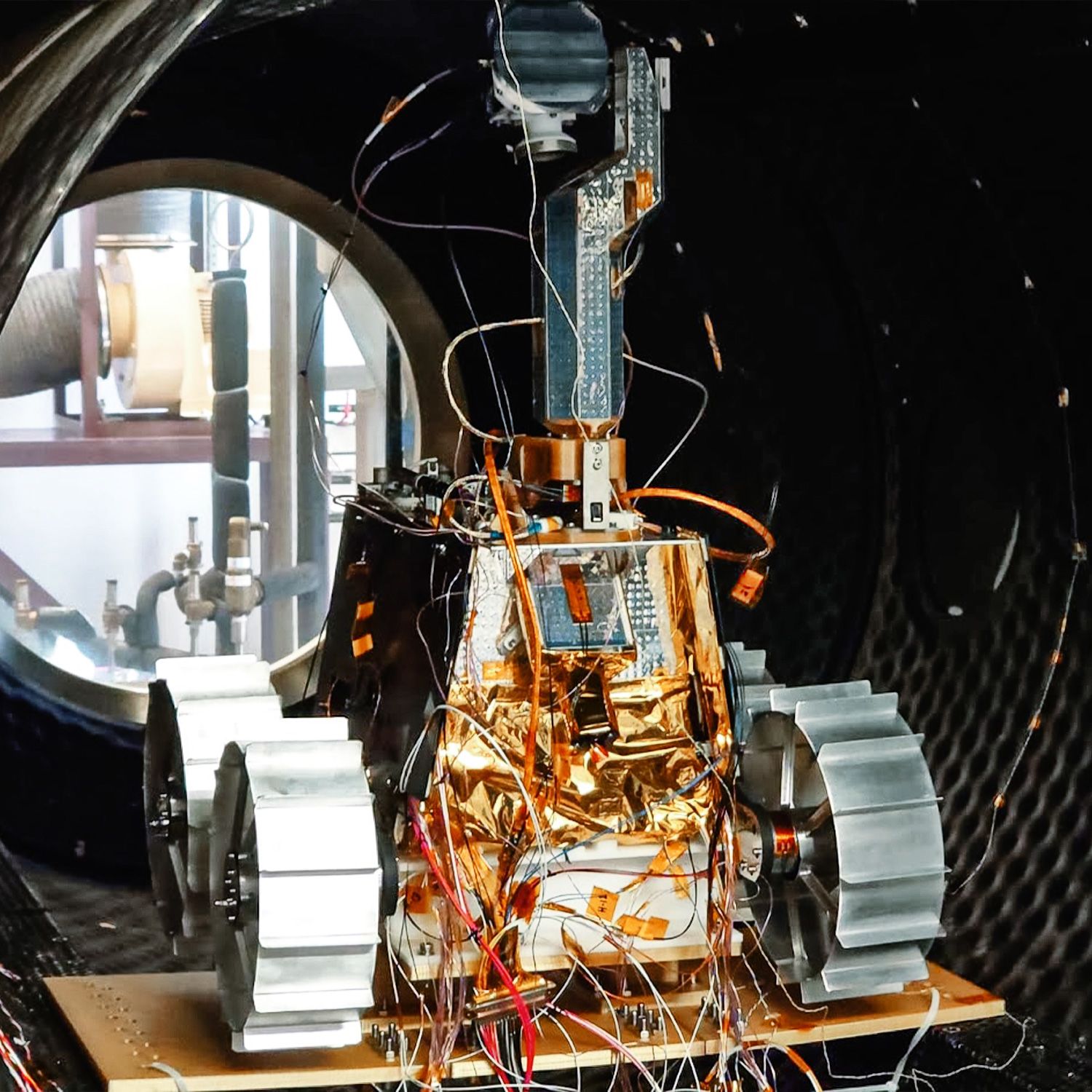
The final prototype of the UAE's Rashid lunar rover. Photo: Mohammed bin Rashid Space Centre
Just as Arab scholars at the House of Wisdom in Baghdad welcomed experts from different cultures and religions, the UAE has worked with others to make its missions a reality.
The country teamed up with three American universities to build the Hope probe and launched its space missions on Japanese, American and Russian rockets. In 2026, the UAE will use a Chinese rocket for a lunar mission.
The UAE’s "work with everyone" policy continues to prove fruitful.
“First, I applaud the hugely significant drive in space exploration taken by the UAE and hopefully other Arab-Muslim countries soon,” Dr Guessoum said.
“Until recently, there was almost exclusive interest and emphasis on utilitarian science, and thus only satellites in the domain of space.
“Then UAE officials decided that space exploration – a probe to Mars, a lunar rover, a mission to asteroids – was highly valuable as a trigger for a knowledge-based economy.
“And indeed, we have seen in the past five to 10 years a significant uptake in the number of students – Emiratis in particular, and others as well – pursuing science programmes, such as physics and astronomy.”
The UAE's achievements in space have had a knock-on effect in the rest of the region.
Saudi Arabia now has an astronaut programme.
About 40 years after Prince Sultan’s historic journey to space, the kingdom plans to send the first Arab woman and the second Saudi man to the ISS this spring.
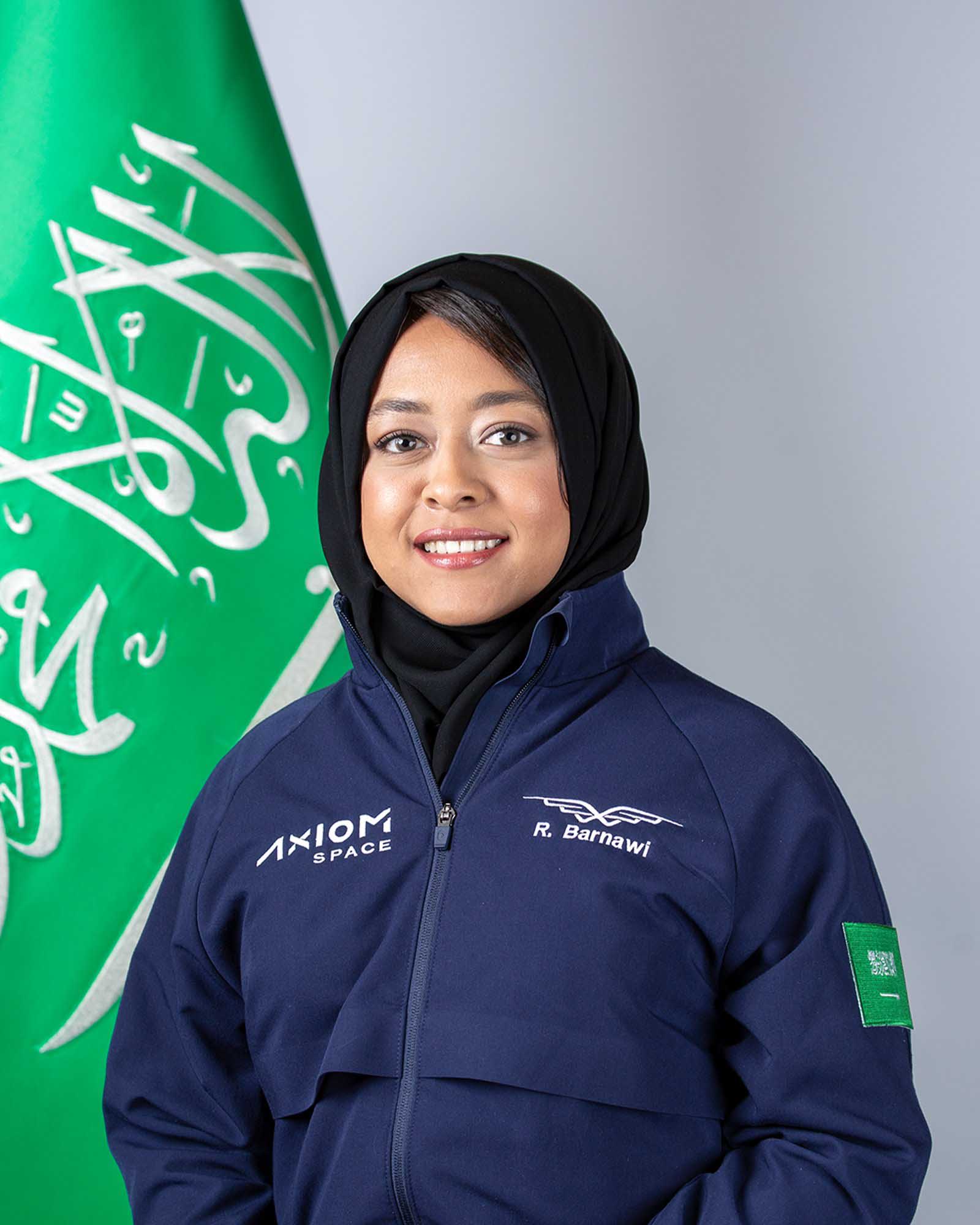
Rayyanah Barnawi is to become the first Arab woman in space. Photo: Axiom Space
Four astronauts make up the Saudi astronaut corps.
In the past five years, other Arab countries including Bahrain, Jordan and Kuwait have also launched satellites into space.
Oman has announced plans to build the Middle East’s first spaceport.
“I think we can say we are witnessing a revival of scientific research in the Muslim world, and a birth of space science in particular in the Arab-Muslim world,” Dr Guessoum said.
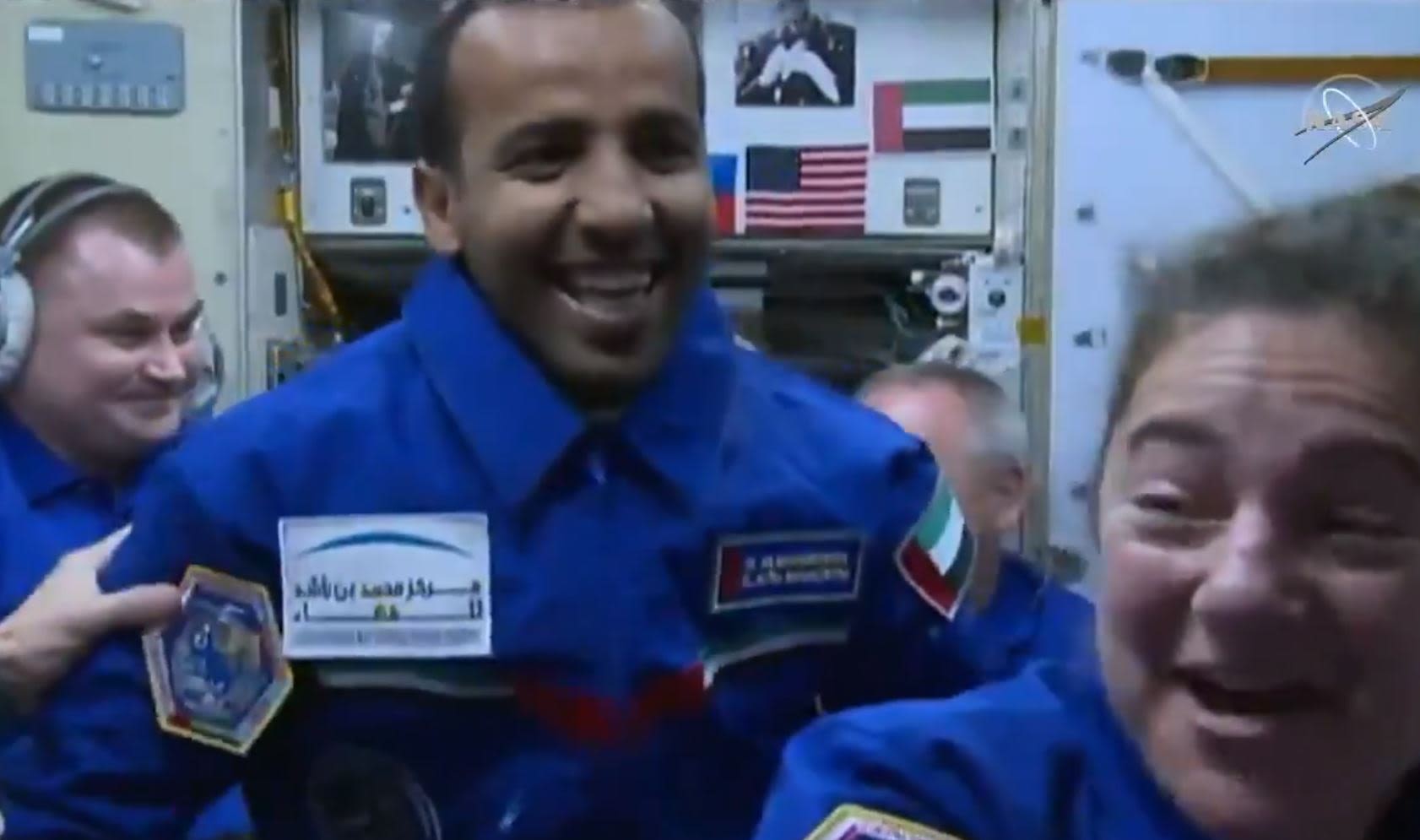
Hazza Al Mansouri enters the zero-gravity station with his crewmates onboard the ISS. Photo: Nasa
“While still below average, relative to both human and financial resources, scientific research production has significantly improved in the Arab-Muslim world in the past 10 to 15 years.
“Major initiatives all represent key moments and turning points in the pursuit of science in general, and space, in particular.
“Coupled with other significant developments in higher education and economic activity, one can only hope that this will soon prove to be a new golden age for knowledge production in the Arab-Muslim world.”