x





How modern advancements in space exploration are building on centuries-old discoveries in the region
By Sarwat Nasir
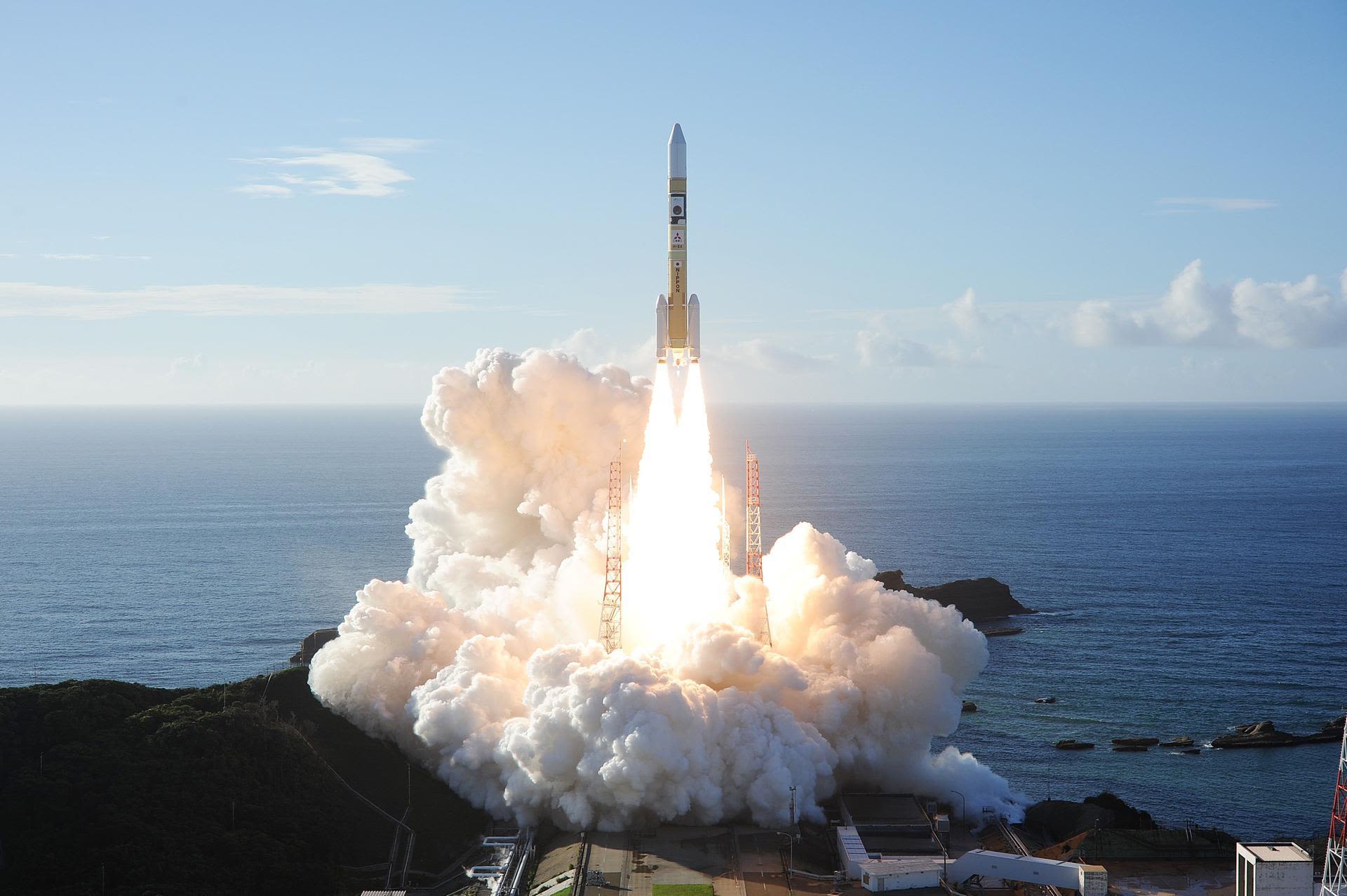

Traces of the Islamic Golden Age's breakthroughs pepper the night sky.
Stars with names including Al Ain, meaning the eye in Arabic, Aldulfin, the dolphin, or Mirzam, the herald, hark back to this age of discovery and the Arab world's familiarity with astronomy.
For 400 years, experts in the Islamic Empire gazed upwards in pursuit of knowledge, producing thousands of manuscripts and innovations that informed our understanding of the field today.
Spurred on by the Quran's encouragement to seek knowledge, Arab theologians, philosophers and mathematicians became obsessed with studying the heavens.
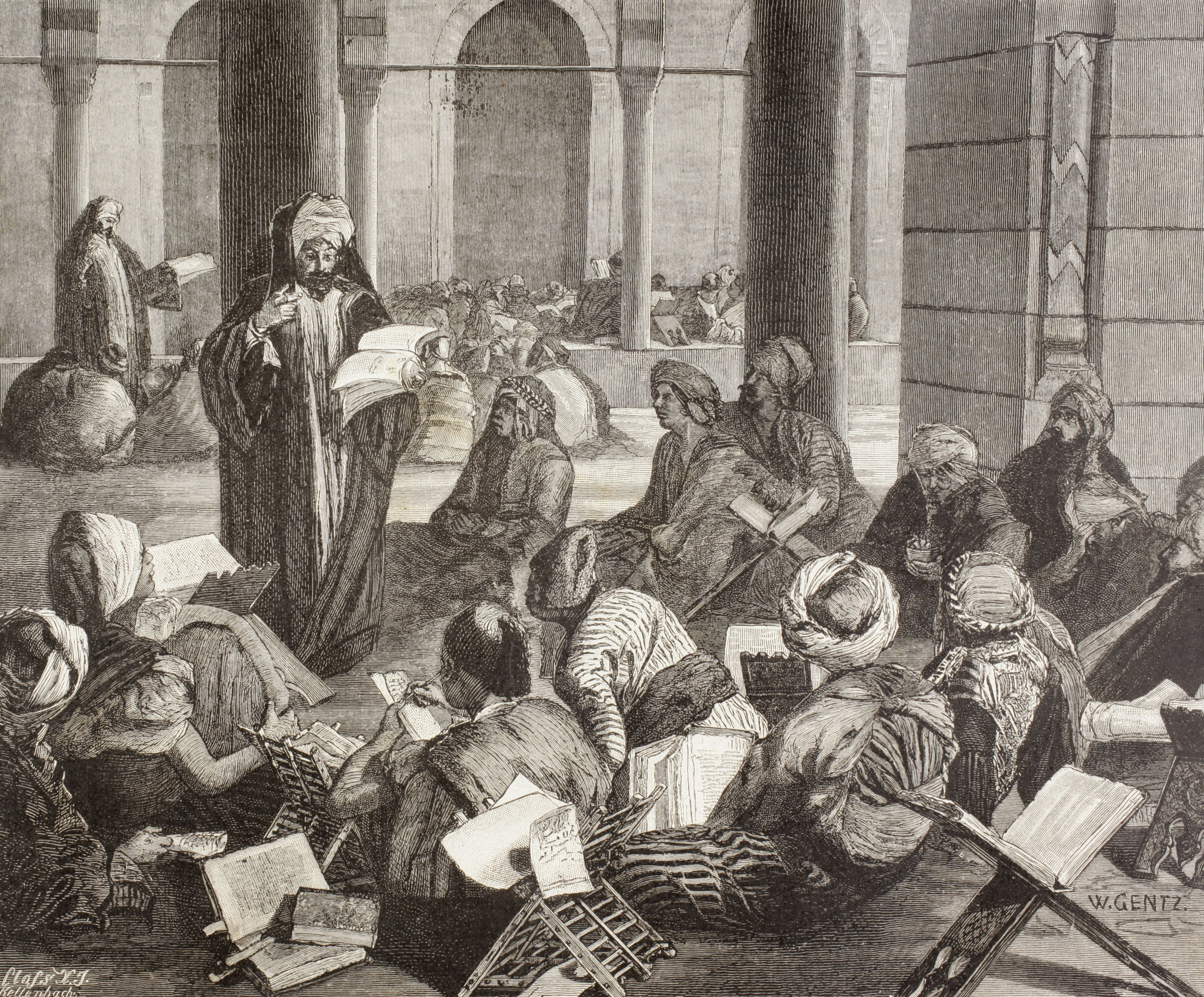
A drawing of a professor lecturing at Al Azhar University in Cairo in the 19th century. Getty
Today, more than a millennium after laying the foundations of modern astronomy, Arab countries have returned to the field with renewed ambition.
The UAE is leading the way, having sent its Hope probe to Mars and launched a lunar rover on a journey to the Moon.
Soon, the second Emirati astronaut will travel to the International Space Station, where he will remain for six months as part of a science mission.
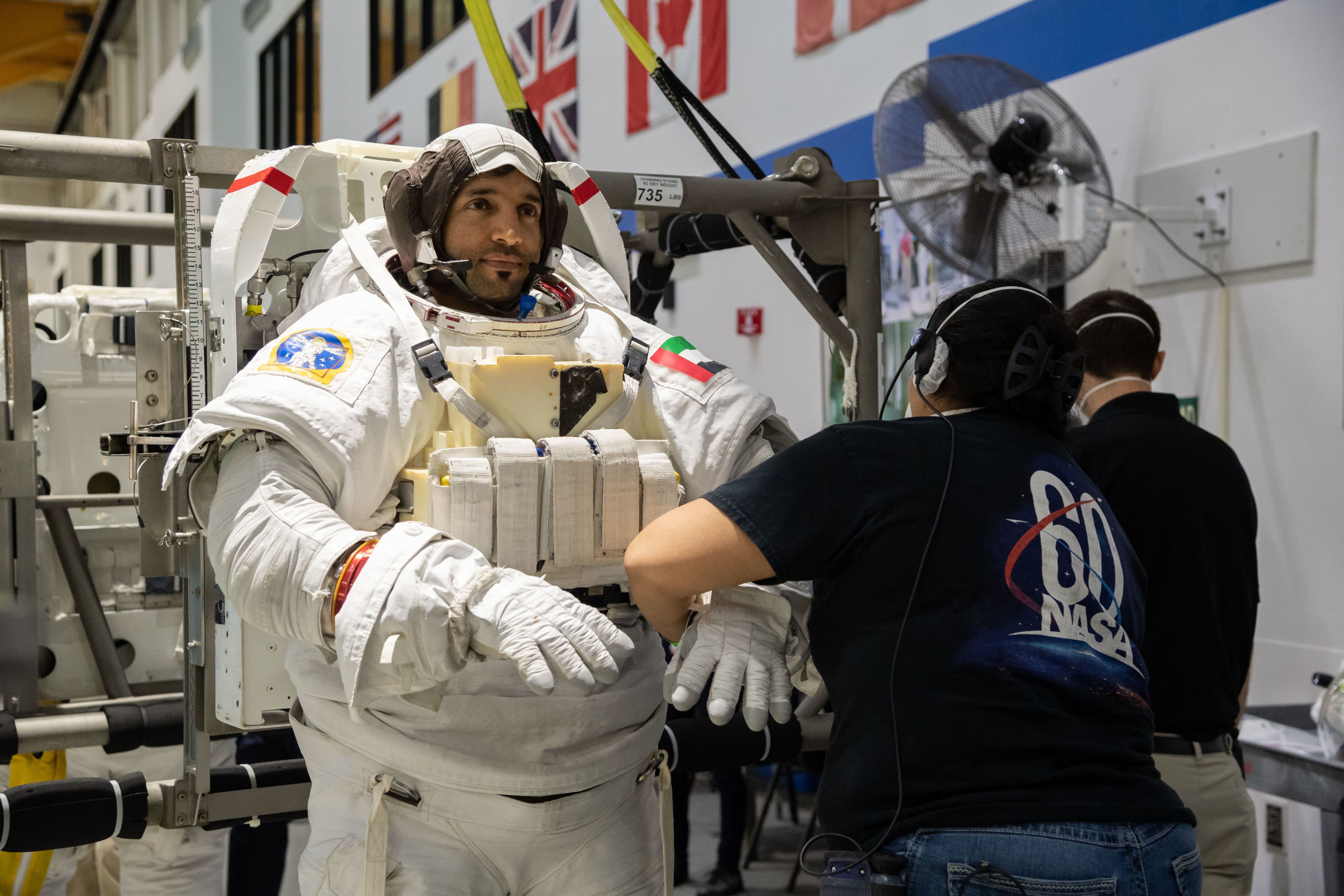
Emirati astronaut Sultan Al Neyadi trains in the Neutral Buoyancy Laboratory at a Nasa facility. Photo: Bill Stafford
Saudi Arabia has also launched a long-term space programme and plans to send two astronauts, including a woman, to the orbiting lab this year.
Centuries may have passed, but the thirst for knowledge and passion to explore what is beyond Earth is still alive in the Arab world.