x





It was not until the 20th century that hope grew for another golden age of scientific advancement and discovery in the Arab and Islamic world.
Progress in other parts of the world created more opportunities for Arab countries, including space programmes developed by the Soviet Union and US.
Saudi Arabia sent the first Arab and Muslim – Prince Sultan bin Salman – to space on board a Nasa rocket in 1985.
He blasted off on a Space Shuttle for a week-long mission, sending back images of himself reading the Quran while floating in microgravity.
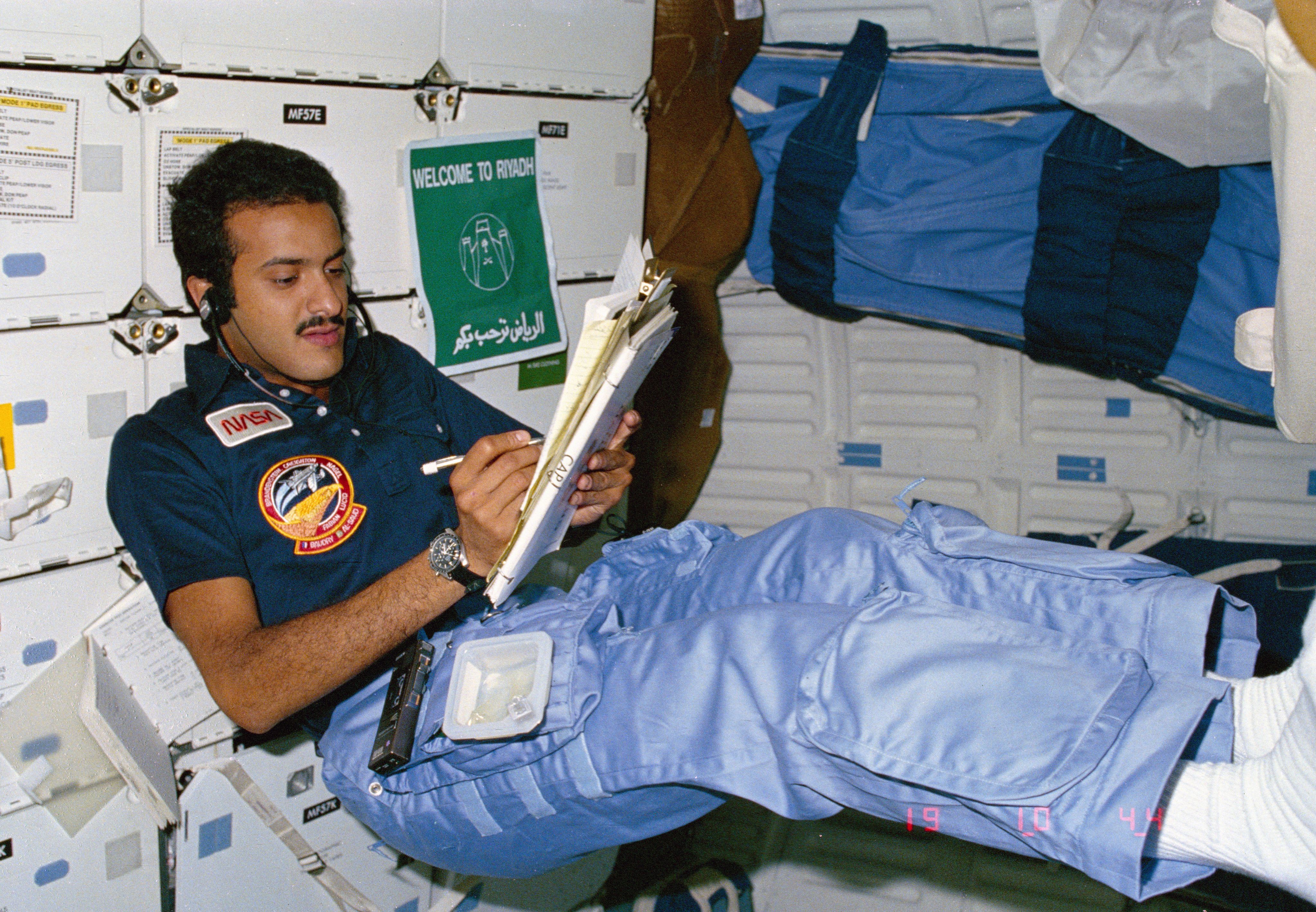
Saudi Prince Sultan bin Salman on board Nasa's Discovery shuttle in 1985. Getty
Earlier that year, the kingdom launched Arabsat-1 – the Arab world’s first satellite – which helped to provide communication services to Arab countries.
Two years later, the second Arab and Muslim astronaut, former Syrian military pilot Muhammed Faris, went to space on a Russian rocket.
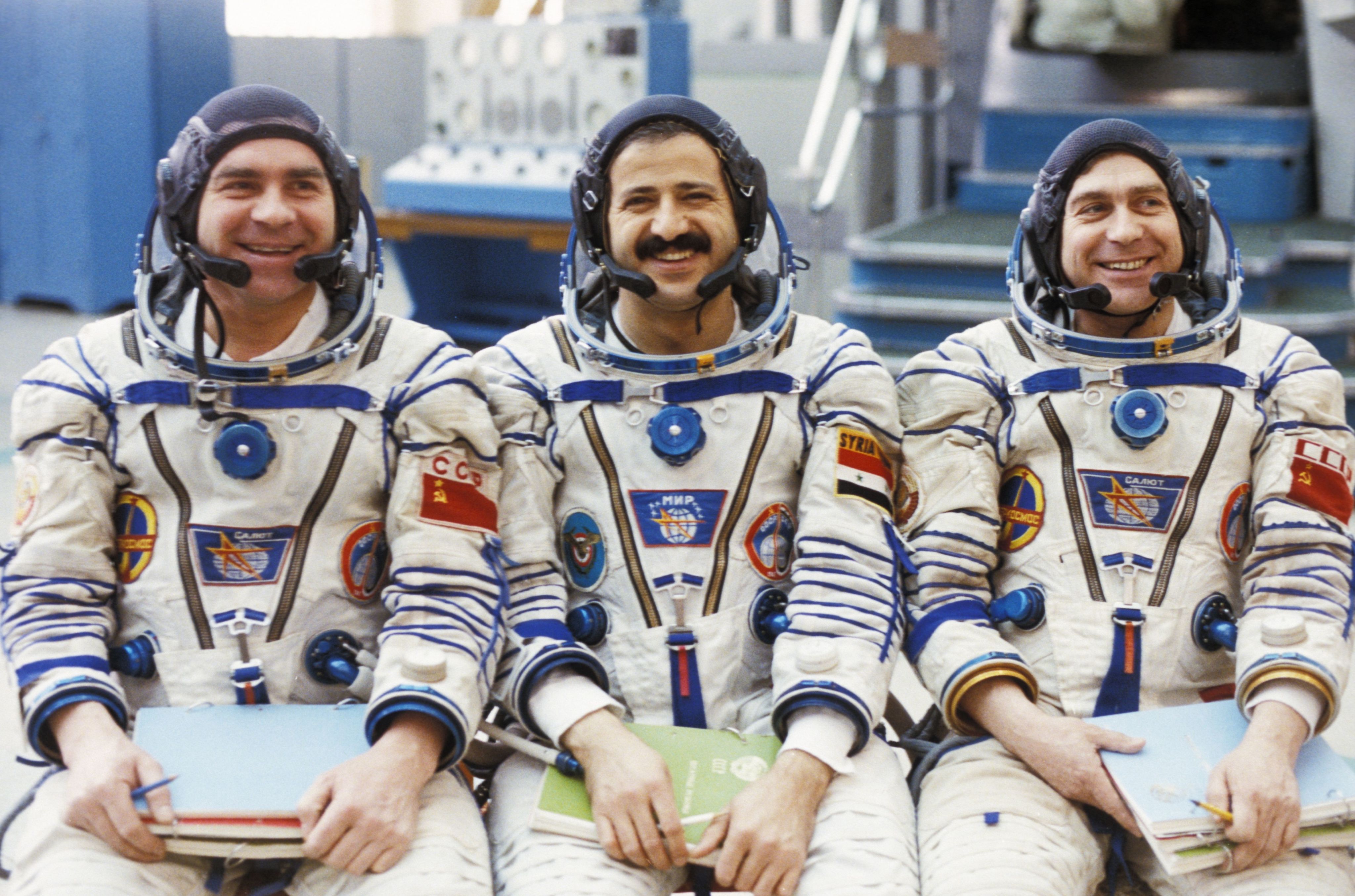
Syrian astronaut Muhammed Faris, centre, travelled to space with Soviet cosmonauts Aleksandr Viktorenko, left, and Aleksandr Pavlovich Aleksandrov in 1987. Photo: Sovfoto
The missions suggested the Arab world was about to making another giant leap in science and innovation, but such excitement eventually died down when no long-term space programmes were established.
Mohammad Bahareth, a Saudi citizen who founded Space Club – a group formed for enthusiasts across the Arab world – said the missions showed the region’s potential.
“The launch of the first Arab astronaut into space was a source of pride and motivation for the Arab people,” he said.
“It showcased the region's potential to contribute to advanced technology and encouraged future generations to consider careers in STEM [science, technology, engineering and maths].”
About 30 years would pass until a third Arab astronaut travelled to space.
In that time, several Muslim cosmonauts from countries under Soviet control were sent on space expeditions. But they were one-time trips and did not form part of long-term space programmes.
Musa Manarov of Azerbaijan went on two missions to the Soviet’s Mir space station in 1988 and 1990, for Earth observation and manufacturing assignments.
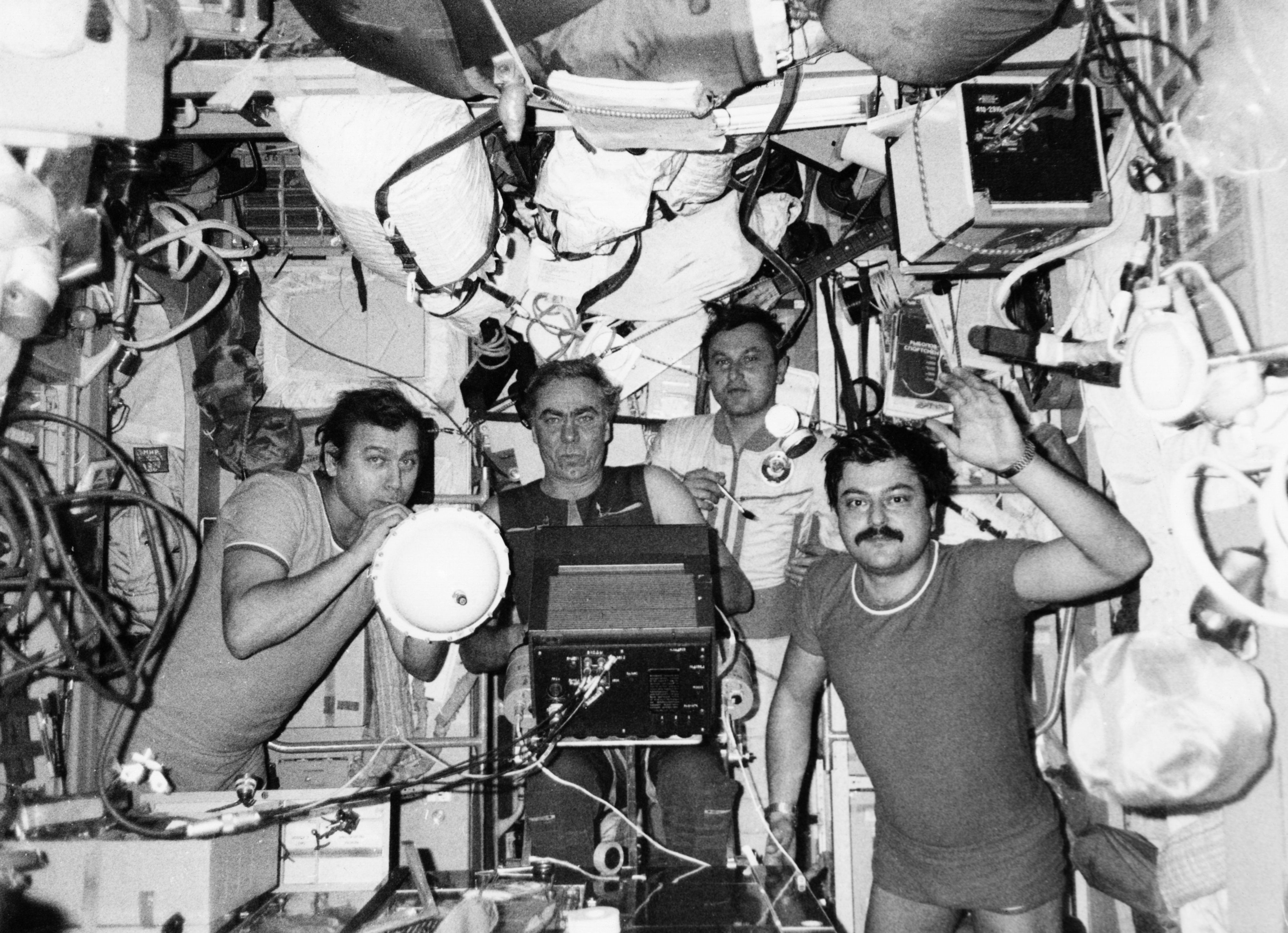
Musa Manarov, right, and other cosmonauts on board the Mir Space Station in 1988. Photo: Sovfoto
Abdul Ahad Momand, an Afghan-German air force aviator, also travelled to the Mir station in 1988, becoming the fourth Muslim in space.
He was the first Afghan in space and spent nine days at the Soviet space station.
Toktar Aubakirov became the first Kazakh in space when he travelled to the Mir station in 1991.
Another Kazakh, Talgat Musabayev, took part on three space missions – travelling to Mir in 1994 and 1998, and to the International Space Station in 2001.
In 1998, Salizhan Sharipov of Kyrgyzstan travelled to Mir, before joining a mission to the ISS in 2004.
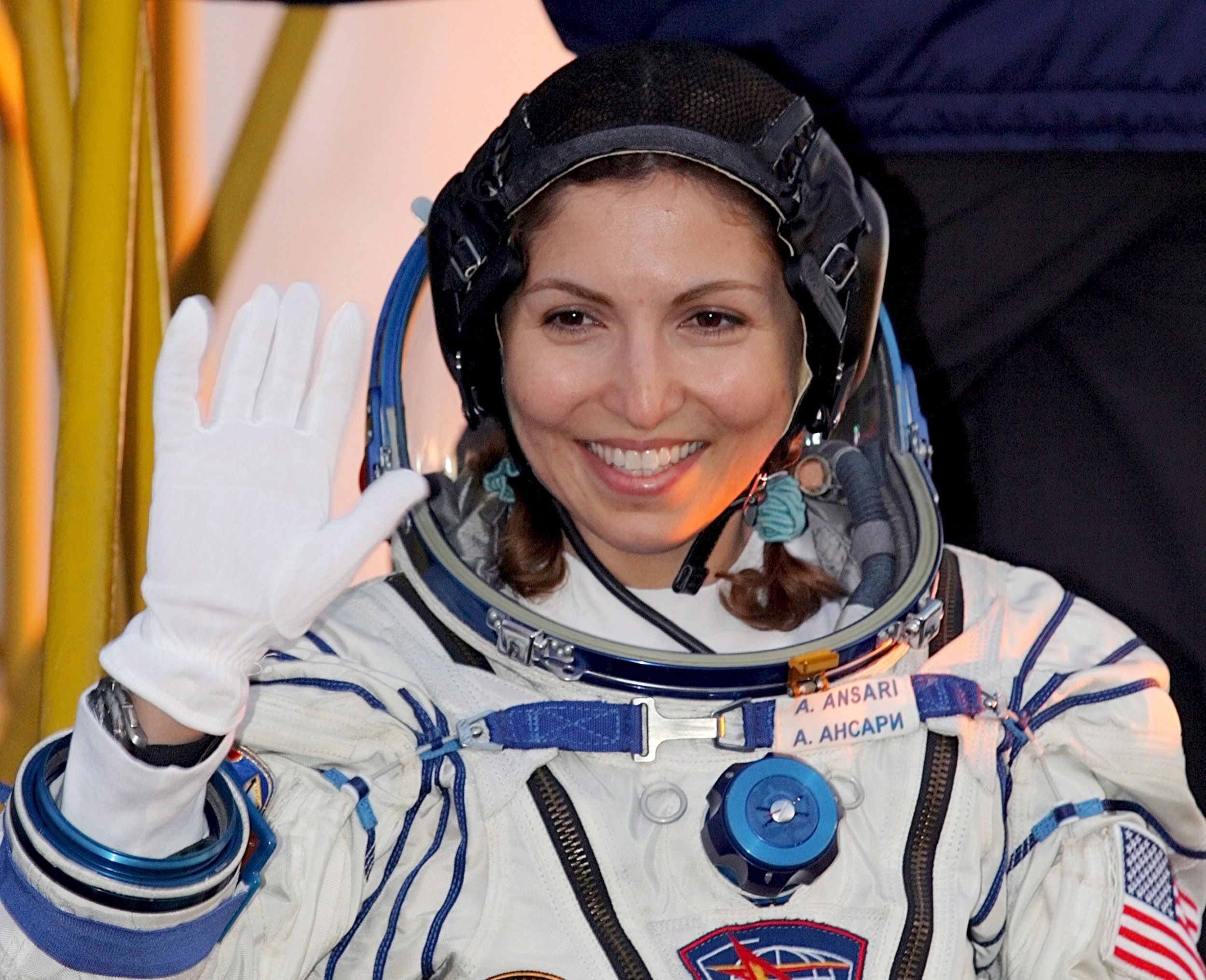
Iranian-born Anousheh Ansari travelled to the ISS in 2006. EPA
In 2006, Anousheh Ansari, an Iranian-born US citizen, became the first Muslim woman to travel to space. She was also the first Muslim female space tourist, travelling to the ISS on board a Soyuz rocket.
Sheikh Muszaphar Shukor of Malaysia went to the ISS on a Soyuz rocket in 2007 for an 11-day mission.
Aidyn Aimbetov of Kazakhstan travelled to the ISS in 2015.