x




Andrew Robinson reviews five of the best science picks.
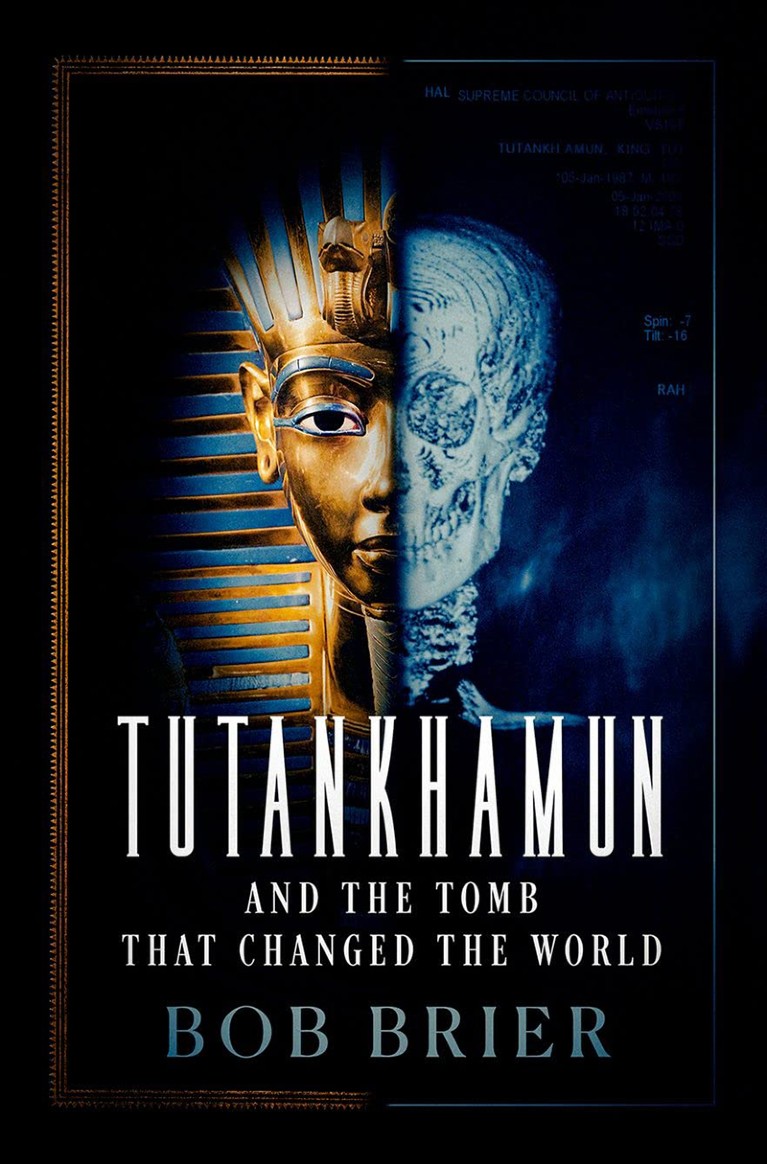
Tutankhamun and the Tomb That Changed the World
Bob Brier Oxford Univ. Press (2022)
Tutankhamun still raises many questions, argues Egyptologist Bob Brier in his stylish book celebrating the century since the pharaoh’s tomb was rediscovered. He has been represented as a frail boy with a club foot, but he might have been an athlete who hunted, and later a warrior, says Brier. As DNA sequencing of mummies improves, Brier anticipates, Tutankhamun’s parents will finally be identified, along with diseases that might have caused his death. The second 100 years of Tutankhamun research could be “even more exciting than the first”.
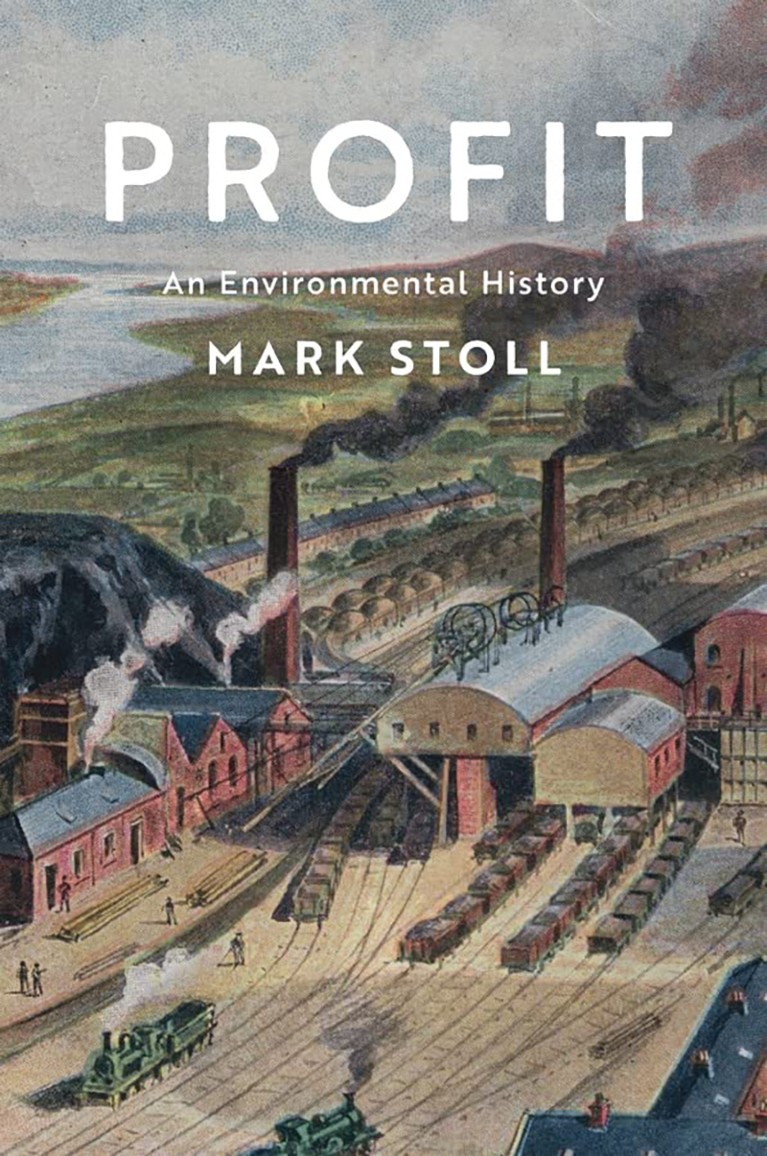
Profit
Mark Stoll Polity (2023)
A smartphone is a “Pandora’s box of environmental evils”, writes Mark Stoll. The device epitomizes both the benefits and burdens of capitalism, he argues in his history of profit from ancient times to the present, the first by an environmental historian. With knowledge, skill and stories of inventors, entrepreneurs and conservationists, he traces developments in technology, transportation, energy, communication, trade and finance. We cannot live with capitalism or without it, he says, so we must labour to “ameliorate its worst effects.”
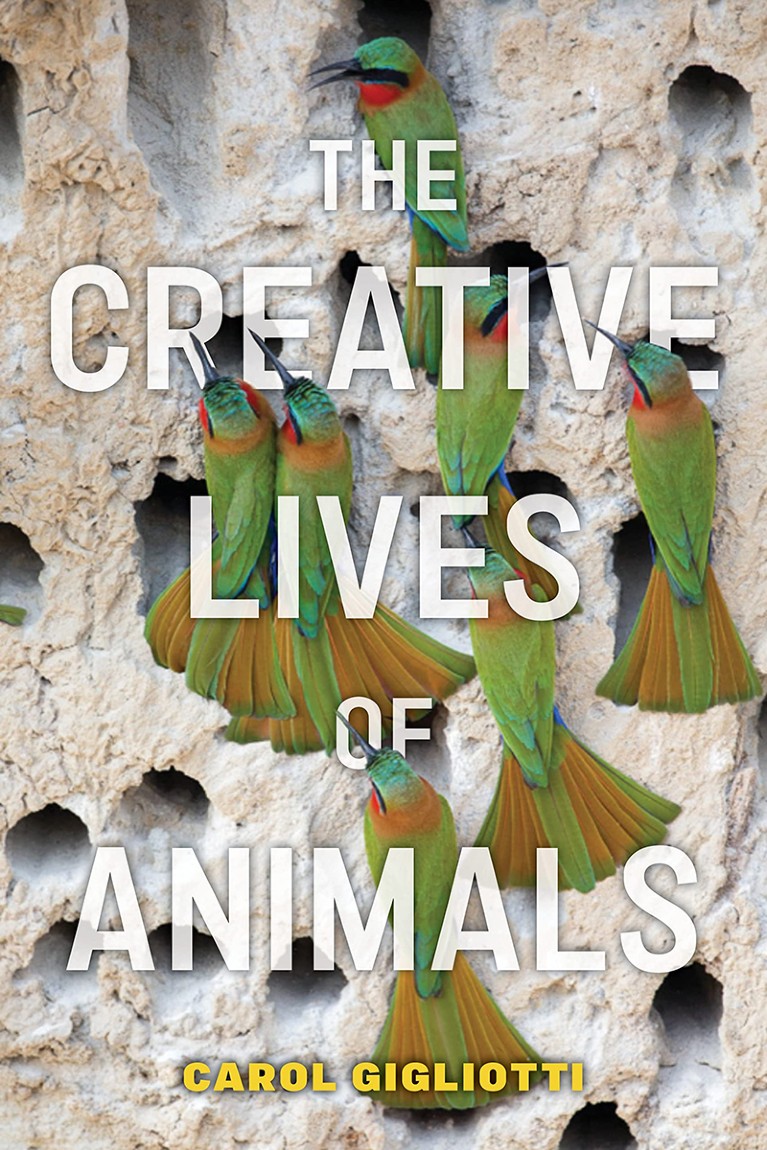
The Creative Lives of Animals
Carol Gigliotti NYU Press (2022)
Many songbirds are born without the ability to sing. So should those that learn — and other animals — be called creative? Carol Gigliotti interviews scientists who think they should be, and agrees with them. An animal activist, author and artist who has taught design and dynamic media, she defines creativity as a “dynamic process” in which individuals generate “novel and meaningful behaviour” that might affect others at cultural, species and evolutionary levels. Regrettably, her appealing discussion contains no images of animals.
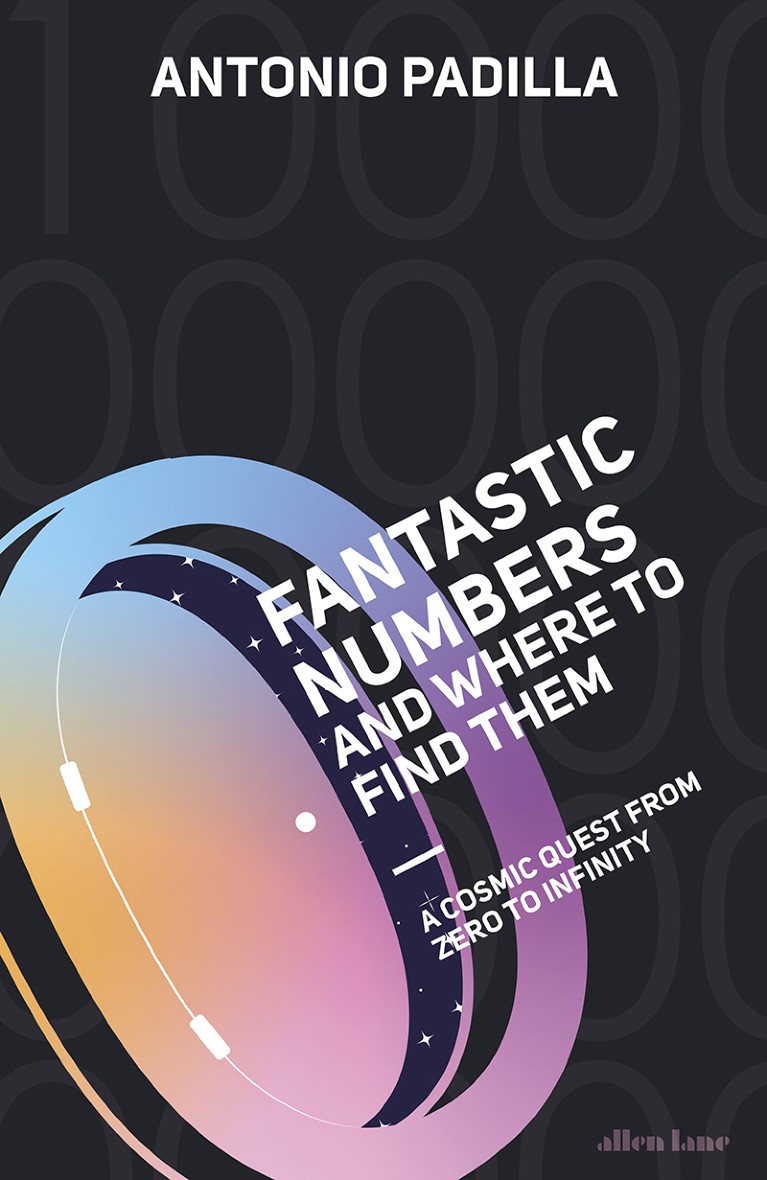
Fantastic Numbers and Where To Find Them
Antonio Padilla Allen Lane (2022)
As a maths student, Antonio Padilla got a zero for a correct proof because it lacked rigour. The experience turned him into a theoretical physicist. “With mathematics, the physicist can dance, and with physics, the mathematician can sing,” he says in his account of numbers that unlock the Universe, such as the cosmological constant. Although not for the mathematically faint-hearted, it sparkles — even comparing quantum theory’s astonishing support of light as a particle rather than a wave with Greta Thunberg suddenly endorsing Donald Trump!
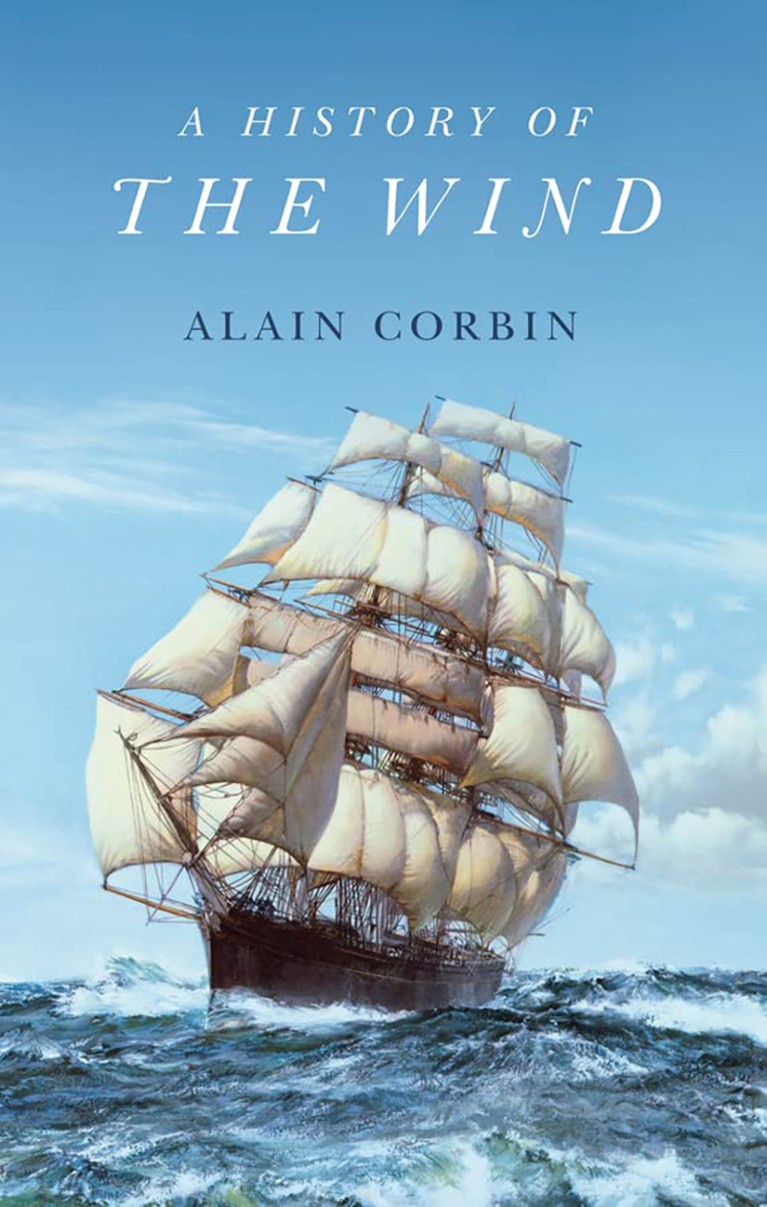
A History of the Wind
Alain Corbin (transl. William Peniston) Polity (2022)
For millennia, little was known about the science of the wind. Aristotle saw it as an elemental fluid, alongside water, earth and fire. In the late eighteenth century, air’s chemical composition was revealed; later came the development of meteorology through mapping of global air currents and the concepts of the troposphere, stratosphere and jet stream. All this forms part of Alain Corbin’s brief history, but he focuses on the reaction of artists, writers and travellers since ancient Greece to wind’s “indecipherable enigma”.